Plants
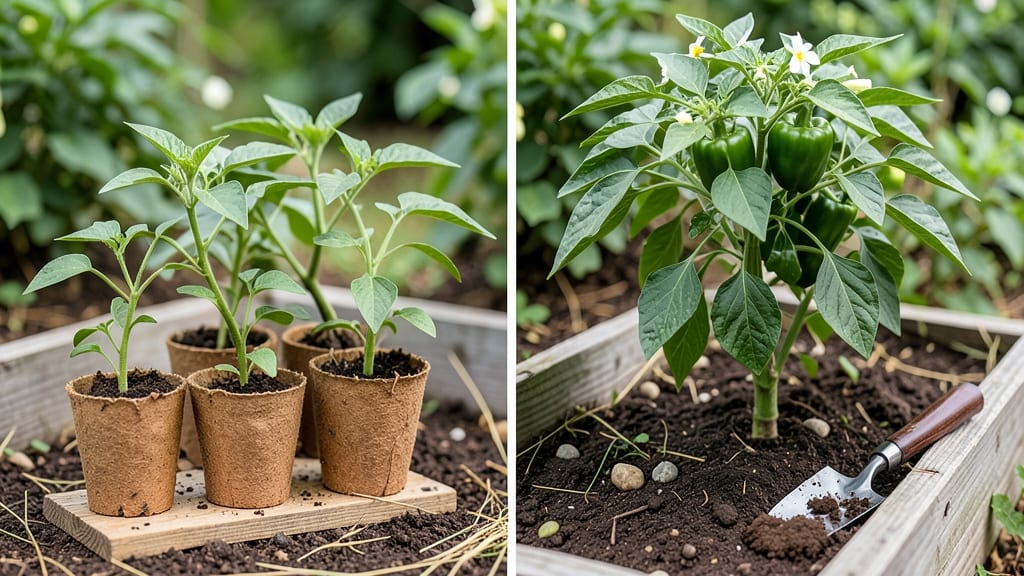
To plant peppers in Texas, aim for after your last frost date—typically February to March for transplants or April to May for seeds—when soil warms to 60°F.
Texas gardeners know timing is everything—plant peppers too early, and frost will kill them; too late, and the brutal summer heat stunts growth. But mastering the Texas heat zone timeline ensures a bumper crop of juicy, spicy, or sweet 🌶️ peppers all season long.
North Texas’ cooler springs mean starting transplants indoors by January, while South Texas gardeners can direct-sow as early as February. The key is matching your pepper varieties to your region’s frost-free days—240+ in most of Texas—to stretch harvests from June through October.
Below, I’ll break down the exact planting windows by heat zone, soil prep tricks to speed up warming, and how to stagger plantings for a continuous harvest—no more guessing, just peak-yield peppers.
Texas heat zone map: best planting months by region
Texas stretches from USDA Zone 8a in the north to Zone 10b in the south, creating dramatic differences in frost dates and growing seasons. For peppers, which thrive in warmth but wilt under frost, knowing your heat zone is critical.
North Texas gardeners face late-spring planting windows, while South Texas growers enjoy year-round opportunities—if they time it right.
Peppers need soil temperatures above 60°F to germinate and grow. In cooler zones, waiting too long risks stunted plants, while in hotter areas, early planting can lead to bolting or poor fruit set. The key? Align planting with your last frost date and heat zone for a risk-free harvest.
Here’s how Texas breaks down into three distinct heat zones—each with its own ideal planting window for peppers:
Zone A (North Texas): Includes cities like Dallas and Fort Worth, where last frosts average March 15. Plant transplants after this date or start seeds indoors in February for early harvests.
Zone B (Central Texas): Covers Austin and San Antonio, with last frosts around February 15. This zone offers a longer growing season, allowing for March-April transplants or direct sowing in late March.
Zone C (South Texas): Encompasses Houston and the Rio Grande Valley, where frost is rare after January 15. Gardeners here can plant year-round, but peak yields come from February-May transplants.
For Zone A gardeners, I recommend starting seeds indoors in February and transplanting after March 15. Use row covers for early protection if nights dip below 50°F.
In Zone B, you can direct-sow seeds in late March for a summer harvest, but transplants in April ensure faster growth.
South Texas (Zone C) offers the most flexibility. Plant jalapeños or bell peppers in February for early yields, then repeat in April for a fall crop. Use shade cloth in summer to prevent bolting, especially for habaneros, which are heat-sensitive.
Pro tip: Check your local Texas A&M AgriLife Extension for precise frost dates. Their freeze probability maps help fine-tune planting times, especially in transition zones like Waco or College Station.
Remember, peppers are warm-season crops, so avoid planting until soil is consistently above 60°F. Use a soil thermometer to confirm—cold soil delays germination and weakens seedlings. With the right timing, you’ll enjoy peppers from June through October, no matter your Texas heat zone.
🌶️
Peppers vs. Texas heat: how to time planting for peak yield
Timing your pepper planting in Texas is a delicate balance—too early and a late frost will wipe out tender seedlings, while too late leaves plants struggling through the 100°F+ heat that stunts growth and triggers bolting. The key?
Plant when soil temperatures hit 60°F+ and align with your pepper variety’s heat tolerance. Bell peppers handle cooler temps better than habaneros, which bolt faster in heat, while jalapeños thrive in Texas’ long summers once established.
Most Texas gardeners swear by transplanting pepper starts in late February to early March for North and Central Texas, or as early as January in South Texas. But rushing it risks frost damage—even hardy varieties like ‘Aristotle’ bell peppers won’t survive below 32°F.
Meanwhile, direct-sowing seeds in April works for heat-loving ‘Carolina Reaper’ or ‘Jalapeño M’, but these need consistent moisture to avoid blossom-end rot in the sweltering summer months.
⚠️ Texas Heat Warning: Common Mistakes to Avoid
Planting too early: Seedlings die in 28°F+ nights (common in North Texas). Use row covers if transplanting by February 15.
Ignoring soil warmth: Peppers won’t germinate below 60°F soil temp. Test with a soil thermometer—wait until it’s consistently 65°F+ for 2+ weeks.
Overcrowding: Space 18–24 inches apart; closer spacing = more blossom-end rot from poor air circulation.
Soil warmth is non-negotiable—peppers won’t thrive in cold ground. Use black plastic mulch to raise soil temps by 5–10°F in cooler zones, or plant in raised beds filled with compost-rich soil.
For slow-to-warm areas (like the Hill Country), start seeds indoors 8–10 weeks before last frost and harden off plants before transplanting. Pro tip: Habaneros need hotter soil (70°F+) than bells, so delay their planting by 2–3 weeks in North Texas.
Post-transplant care seals the deal. Water deeply every 2–3 days (more in summer) to prevent bolting—peppers stressed by drought send up flowers too fast. Mulch with straw or grass clippings to retain moisture and cool roots during 100°F+ heatwaves.
Also, fertilize lightly with a balanced 10-10-10 when flowers appear to boost fruit set, but avoid high-nitrogen feeds—they’ll grow leaves instead of peppers.
Watch for blossom-end rot (black spots on fruit) in Texas’ alkaline soils—add calcium-rich compost or crushed eggshells at planting. And if your peppers start bolting (sending up flowers prematurely), move them to partial shade and reduce watering slightly.
Varieties like ‘NuMex Sandia’ (a mild jalapeño) handle Texas heat better than ‘Sweet Banana’ peppers, which need shade cloth in summer.
For a second harvest, try succession planting—sow new seeds every 2 weeks from April to June. This keeps peppers producing through October, when temps drop but days stay long.
Just remember: South Texas gardeners can push harvests into November, while North Texas peppers may fade by mid-October without protection. The goal? Beat the heat while maximizing your pepper’s growing window.