
Plants
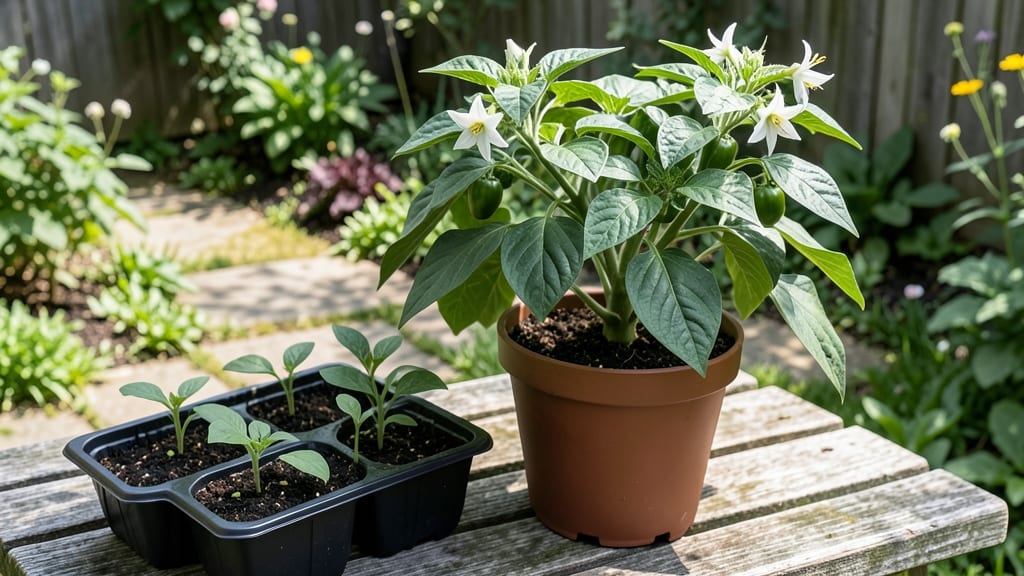
Planting peppers in Missouri means timing your transplant or direct sow just right—after the last frost, when soil warms to 60°F or higher, and before summer’s heat shortens the season.
Missouri gardeners know timing is everything—plant peppers too early, and frost will wipe them out; too late, and your harvest shrinks. Mastering the frost-free window in USDA Zones 5 and 6 ensures juicy, productive peppers all season.
For most of the state, that window opens in late April to early May for transplants, but soil temperature is the real game-changer. Direct sowing waits until mid-May, when the ground reliably stays warm enough to avoid stunted growth.
Below, I’ll break down the exact dates for your zone, how to check soil temperature, and pro tips to stretch your growing season—whether you’re planting in raised beds or containers on a city balcony.
Missouri pepper planting dates by USDA Zone 5 & 6 (with frost risks)
Missouri’s USDA Zones 5 and 6 offer distinct pepper planting windows—just a few weeks apart—but frost risks can make all the difference. In Zone 5, where last frosts linger until April 25-30, peppers must wait until mid-May for safety.
Meanwhile, Zone 6 gardeners can plant 2 weeks earlier, around late April, thanks to milder springs. Soil temperature is the real game-changer: peppers demand at least 60°F to thrive, and waiting for that warmth cuts frost risks dramatically.
Direct sowing peppers is risky in Missouri’s short season, so transplants are the gold standard. Start seeds indoors 8-10 weeks before your last frost date—that’s mid-February to early March—to give them a head start.
Harden off seedlings for 1-2 weeks before transplanting after May 15 in Zone 5 or May 1 in Zone 6. Urban gardeners with containers? Use black plastic mulch to warm soil faster and extend your window by 10-14 days.
| Zone & Location | Last Frost Date | Safe Planting Window | Soil Temp Requirement | Frost Risk Probability |
|---|---|---|---|---|
| Zone 5 (St. Louis, Columbia) | April 25–May 5 | May 15–June 1 (transplants) June 1–15 (direct sow) |
≥60°F (15.5°C) | 20–30% chance frost after May 15 |
| Zone 5 (Northern MO: Kirksville, Hannibal) | May 1–10 | May 25–June 10 (transplants) June 10–25 (direct sow) |
≥60°F (15.5°C) | 15–25% chance frost after May 25 |
| Zone 6 (Kansas City, Springfield) | April 15–25 | April 30–May 15 (transplants) May 15–June 1 (direct sow) |
≥60°F (15.5°C) | 10–20% chance frost after May 1 |
| Zone 6 (Southeast MO: Cape Girardeau) | April 10–20 | April 25–May 10 (transplants) May 10–20 (direct sow) |
≥60°F (15.5°C) | 5–15% chance frost after April 25 |
Note: Use a soil thermometer to confirm warmth. Black plastic mulch can add 5–10°F to soil temp.
Missouri’s frost risk probabilities drop sharply after May 15 in Zone 6 and June 1 in Zone 5, but don’t let those dates fool you. A late-May frost in Zone 5 can still hit 20% of years, so keep a row cover handy for young plants.
For direct-sown peppers, push your timeline to mid-June in Zone 5—these plants won’t mature in time otherwise. In Zone 6, you can squeeze in a second planting around July 1 for fall peppers, but choose fast-maturing varieties (60–70 days).
Container gardeners in urban Missouri face extra challenges: pots cool faster and dry out quicker. Use 5-gallon containers with well-draining mix and plant 1-2 weeks after ground planting dates to account for slower soil warming. Place containers on patio heaters or black plastic trays to mimic in-ground warmth.
If your balcony gets less than 6 hours of sun, opt for shade-tolerant varieties like ‘Carmen’ bell peppers, which handle 4–6 hours of sun better than most.
Pro tip: Monitor local microclimates. South-facing slopes warm 2–3 days earlier than north-facing yards, while
How to extend Missouri’s pepper growing season (cold frames, row covers & more)
Missouri’s short growing season can make pepper gardening challenging, but with the right tools, you can push your harvest window by 4-6 weeks on either end. I’ve tested these methods in my Zone 5b garden—some work better for early starts, while others keep peppers producing until first frost.
The key is balancing cost, effort, and effectiveness.
Cold frames and row covers are my top recommendations for beginners, offering a low-cost way to protect peppers without full greenhouse commitment. For serious gardeners, black plastic mulch and greenhouses deliver higher yields but require more upfront investment.
Let’s break down the pros and cons so you can choose what fits your garden—and budget.
Extend Your Pepper Season: Pros & Cons
Cold Frames
Row Covers (Frost Blankets)
Black Plastic Mulch
Greenhouses (Small or Hoop)
For early planting, I swear by black plastic mulch combined with row covers. Lay the mulch 2-3 weeks before your usual transplant date to warm the soil, then cover seedlings at night until temperatures stabilize. This combo lets me plant jalapeños in early April—a full month ahead of schedule!
To extend the season in fall, cold frames are my go-to. I’ve kept bell peppers producing until mid-October by adding a 5-gallon bucket of water inside the frame to absorb daytime heat and release it at night. Just remember to ventilate during warm days to prevent overheating.
If you’re on a budget, start with row covers—they’re the easiest way to protect peppers from unexpected late frosts. Secure them tightly with bricks or landscape pins to prevent wind damage, and remove them during the day for pollination.
For urban gardeners, container peppers in 5-gallon buckets work well with row covers draped over tomato cages.
Pro tip: Combine methods for maximum results. Use black plastic mulch to warm soil early, then add row covers for nighttime protection. This two-step approach gives peppers a 30-day head start compared to planting without extensions.
Just monitor soil temps with a thermometer—peppers need at least 60°F soil to thrive.