
Plants
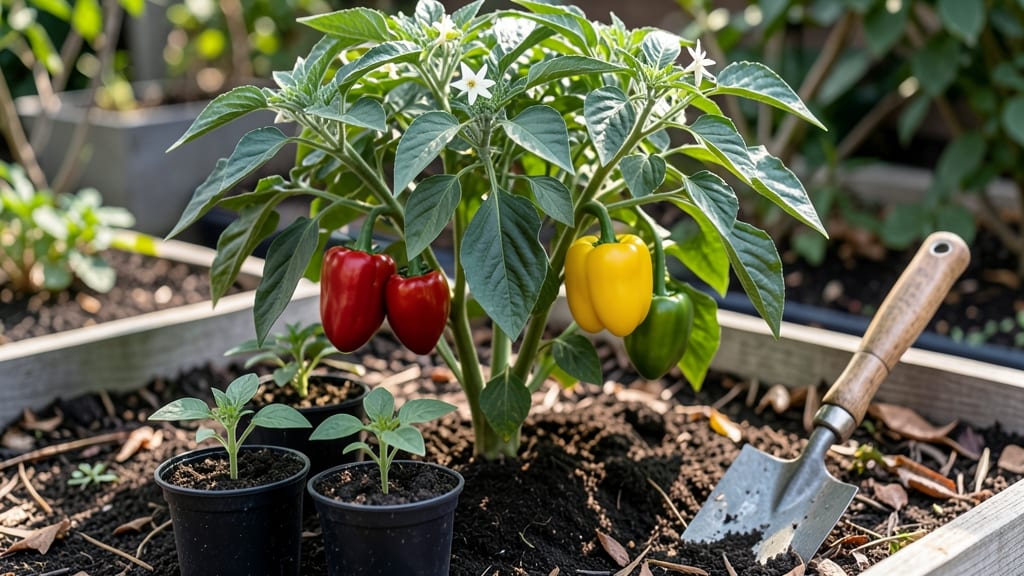
Planting peppers in Pennsylvania at the right time means the difference between a bountiful harvest and lost seedlings 🌶️.
Pennsylvania’s unpredictable spring weather can make or break your pepper harvest—plant too early, and frost will kill seedlings; too late, and you’ll miss peak productivity. Timing is everything, and these frost-free zone guidelines will ensure your bell peppers, jalapeños, and hot peppers thrive from Pittsburgh to Philadelphia.
Most gardeners in USDA Zones 5a-7a should start peppers indoors 8-10 weeks before the last expected frost, which typically lands between mid-April and early May. For outdoor planting, wait until soil temperatures hit at least 60°F—usually late May or early June—and nighttime frosts are a distant memory.
In this guide, you’ll learn the exact frost-free planting windows for each zone, how to extend your growing season with row covers, and the 3 biggest mistakes Pennsylvania gardeners make when planting peppers. Let’s get your plants in the ground at the perfect moment.
Pennsylvania pepper planting dates by hardiness Zone (5a-7a)
Pennsylvania's diverse climate—from the Poconos' high-altitude chill to Pittsburgh's urban heat islands—means your pepper planting timing must be precise. Peppers hate cold soil and frost damage, so knowing your USDA zone and microclimate is critical.
In Zone 5a, you might wait until May 20, while Zone 7a gardeners can start as early as April 15.
All peppers need warm soil (60°F+) to germinate properly. Use a soil thermometer to confirm—cooler soil delays growth and invites rot. High-altitude areas like the Poconos (Zone 5a) often face 2-3 weeks later planting than cities like Philadelphia (Zone 7a).
| Zone | Avg Last Frost | Ideal Planting Window | Soil Temp Requirement | Notes |
|---|---|---|---|---|
| 5a (Poconos, NE PA) | May 10-20 | May 20-June 5 | 60°F+ (15°C+) | Wait for 3 consecutive warm days after last frost |
| 6a (State College, Harrisburg) | April 25-May 10 | May 10-May 25 | 60°F+ (15°C+) | Use row covers for early starts |
| 6b (Lancaster, Reading) | April 15-April 30 | April 30-May 15 | 60°F+ (15°C+) | Start indoors 8-10 weeks early |
| 7a (Pittsburgh, Philadelphia) | April 5-April 20 | April 15-May 5 | 55°F+ (13°C+) | Can plant directly outdoors in late April |
For Zone 5a gardeners, I recommend starting peppers indoors by March 15 to ensure 8-10 week maturity before transplanting. Use grow lights if natural light is limited—peppers need 14+ hours of light daily for strong seedlings.
In Zone 7a, you can often direct-sow outdoors after April 15, but always check soil temperature first.
High-altitude areas like the Poconos (Zone 5a) often face late springs due to mountain frost pockets. If you're in this region, consider fast-maturing varieties like 'Early Jalapeno' (60 days) or 'Sweet Banana' (65 days). These bolt-resistant types handle cooler nights better than standard varieties.
Urban gardeners in Philadelphia or Pittsburgh (Zone 7a) have more flexibility. The city heat island effect can warm soil 2-3 weeks earlier than rural areas. Test your soil with a thermometer—if it's consistently above 60°F by April 20, you're safe to plant.
Always harden off seedlings for 7-10 days before transplanting to avoid shock.
One critical mistake I see often is planting peppers too early in hopes of an earlier harvest. Cold soil stunts root growth and makes plants vulnerable to disease.
Instead, use the 10-day rule: Wait until 10 days after your average last frost to transplant seedlings. This gives the soil time to warm up naturally.
If you're in Zone 6a or 6b, consider using black plastic mulch to raise soil temperature 5-10°F. Lay it down 2 weeks before planting to maximize warmth. Pair this with drip irrigation to maintain consistent moisture—peppers hate drying out but also dislike soggy roots.
For late-season harvests, choose short-day varieties like 'Carolina Wonder' or 'Arpad F1'. These continue producing even as daylight shortens in September-October. Combine them with row covers to extend the season by 3-4 weeks in all PA zones.
Remember: Peppers are tropical plants at heart. They thrive in warmth and consistency, so plan your garden layout to protect them from late frosts and wind exposure. A south-facing wall or fence can add 2-3°F of warmth to your planting site—perfect for
How to extend your pepper growing season in Pennsylvania
Pennsylvania’s cool fall nights and early frost dates can cut your pepper harvest short—but with the right strategies, you can keep your plants producing well into October. The key is combining season-extending tools with fast-maturing varieties that thrive in shorter growing seasons.
I’ve grown peppers in Zone 6a for years, and these methods have doubled my fall harvests without risking frost damage.
Start by selecting early-maturing pepper varieties like 'Early California Wonder' (60 days) or 'Carolina Wonder' (65 days). These varieties can produce peppers even when nights dip below 50°F.
Pair them with season-extending structures like row covers or cold frames, and you’ll push your harvest window by 4-6 weeks compared to unprotected plants.
🌱 numbered-highlights
- 1. Use row covers (floating fabric) to protect plants from light frosts down to 28°F—ideal for late September harvests.
- 2. Set up cold frames over pepper beds in early October to trap heat and extend harvests until first hard frost (typically mid-November in PA).
- 3. Choose fast varieties like 'Jupiter' (55 days) or 'Aristotle' (60 days) for early fall harvests before cooler temps slow growth.
- 4. Add mulch (straw or leaves) to insulate soil and keep roots 10°F warmer than ambient air.
- 5. Prune suckers in late summer to redirect energy to fruit production instead of foliage.
For the most dramatic results, combine row covers with a small greenhouse or hoop house. Even a 4x6-foot greenhouse can add 8-10 weeks to your growing season.
Place it in a south-facing location to maximize sunlight, and use a thermometer to monitor nighttime temperatures—peppers need to stay above 55°F for optimal growth.
Don’t overlook soil warmth as temperatures drop. Pepper roots struggle in cool soil, so add black plastic mulch 2-3 weeks before transplanting to raise soil temps by 10-15°F.
In Zone 5a, this can mean the difference between a successful transplant and stunted growth. Pair this with a balanced fertilizer (10-10-10) to support root development.
If you’re growing hot peppers like jalapeños or habaneros, focus on container gardening near your home’s south wall. Containers warm up faster and can be moved indoors during hard frosts. I’ve kept pepper plants alive until December using this method, though yields taper off after first frost.
For bell peppers, prioritize row covers—they’re lighter and easier to manage for larger plants.
Remember: harvest regularly to encourage new fruit production. Even in cool weather, peppers will keep setting fruit if the plant stays healthy.
By mid-October, reduce watering slightly to harden off plants for late-season storage, and you’ll enjoy homegrown peppers long after your neighbors’ gardens have gone dormant. 🌿