
Pests and Diseases
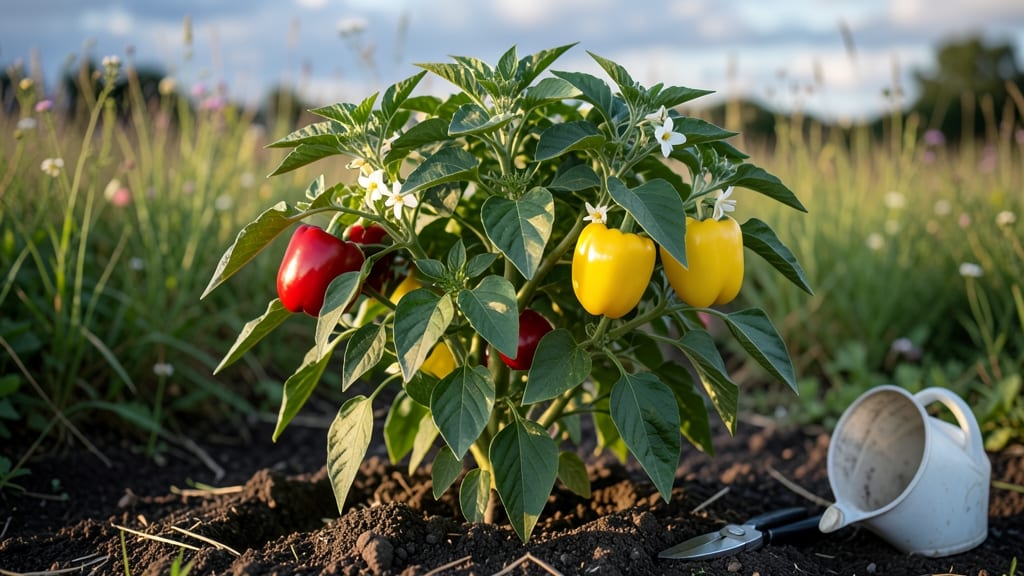
Here are some essential pepper gardening tips that’ll help you grow fiery red peppers—though I learned the hard way that planting sweet bell peppers near ghost peppers leads to disappointment unless you embrace their chaos. 🌶️ different needs.
The key is matching plant varieties to your climate, soil, and sunlight, then giving them consistent care once they’re in the ground.
You’ll need well-draining soil (amend with compost if yours is heavy), full sun (6+ hours daily), and warmth (peppers hate cold—wait until soil hits 60°F before planting). Starter plants are easier than seeds, but if you grow from seed, start indoors 8-10 weeks before last frost.
Containers work too—just ensure pots are at least 12 inches deep and have drainage holes.
Once planted, water deeply once a week (more in extreme heat) and fertilize every 2-3 weeks with a balanced 10-10-10 or 5-10-10 mix. Prune only to remove damaged leaves—over-pruning reduces yield.
The payoff? Bold flavors, vibrant colors, and peppers that last from summer through frost if you protect them.
Advanced growers can experiment with black plastic mulch to warm soil faster or shade cloth in scorching climates. But even beginners nail it by sticking to these basics—sun, heat, and patience. Let’s get those peppers thriving!
📚 In This Guide
- What you need
- Instructions
- Tips and common mistakes
- Wrapping up and next steps
What you need
- ● Seeds or seedlings: Choose heat-tolerant varieties like Jalapeño, Cayenne, or Habanero for warmer zones.
- ● For cooler climates, opt for Bell Peppers or Anaheim (start indoors 8–10 weeks before last frost).
- ● Growing containers or garden bed: Containers: 5-gallon pots or larger (1 plant per container). Ensure they have drainage holes.
- ● Garden beds: Full sun (6–8+ hours/day) with well-draining, fertile soil (pH 6.0–6.8).
- ● Potting mix: 1 part garden soil + 1 part compost + 1 part perlite or sand (for drainage).
- ○ Optional: Add worm castings or aged manure for extra nutrients.
- ● Fertilizer: Balanced fertilizer (10-10-10) at planting.
- ● High-phosphorus fertilizer (5-10-10) when flowers appear.
- ● Organic options: Fish emulsion or compost tea (every 3–4 weeks).
- ● Tools: Trowel or hand shovel
- ● Pruning shears (for trimming leggy growth)
- ● Watering can or hose with adjustable nozzle
- ● Mulch (straw or black plastic) to retain moisture and regulate soil temp
- ● Heat mats or row covers: For early starts in cooler zones (🌡️ 70°F+ soil temp is ideal).
- ● Shade cloth (30–50% coverage): Protects plants from intense afternoon sun in Zone 10+.
- ● Cage or trellis: Supports bushy varieties like Bell Peppers (3–4 ft tall).
- ● Pest deterrents: Neem oil (for aphids/spider mites)
- ● Row covers (to block flying pests)
- ● pH test kit: Ensures soil stays in the 6.0–6.8 range (peppers are sensitive!).
Instructions for cultivating peppers in optimal heat zones
Here’s how to grow peppers that thrive year-round—no matter your climate.
🌱 Step 1: Select the Right Varieties for Your Heat Zone
Peppers love warmth, but not all varieties handle heat the same way. For zones 8-10, opt for jalapeños, serranos, or habaneros—they crave consistent heat and can handle 90°F+ days without wilting. In zones 5-7, choose bell peppers or sweet banana peppers, which tolerate cooler nights better. I always check the USDA heat zone map to match my plants to local conditions.
If you’re growing in containers, smaller varieties like cherry peppers adapt better to temperature swings. Avoid giant bell peppers in hot zones—they’ll split or turn bitter if stressed. Start with 2-3 plants per zone to test what thrives best in your microclimate.
☀️ Step 2: Time Planting for Peak Heat Tolerance
Peppers hate cold soil. Wait until after the last frost and when nighttime temps stay above 55°F. In warm zones, plant early spring or late summer to avoid midday heat stress (above 95°F). I use a soil thermometer—peppers won’t germinate well below 60°F soil temp. If your zone has short summers, opt for fast-maturing varieties (like ‘Early Cal Wonder’) to harvest before fall chill sets in.
For container growers, move pots to a shaded spot during 100°F+ days to prevent blossom drop. Mulch with straw or black plastic to keep roots consistently warm—this prevents stunted growth from temperature fluctuations.
💧 Step 3: Master Watering for Heat Zone Success
Peppers in hot zones dry out fast. Water deeply 1-2 times per week (not daily!) to encourage strong root growth. The soil should feel dry 1-2 inches down before watering again. Overwatering leads to blossom end rot—a telltale black spot on peppers. I use drip irrigation to keep foliage dry, which prevents fungal diseases like powdery mildew.
In extreme heat (above 90°F), water early morning to reduce evaporation. Avoid wetting leaves—this invites sun scald (white patches) and pests. If your peppers start dropping flowers, they’re heat-stressed. Provide light shade cloth (30-50% coverage) during peak afternoon sun.
✂️ Step 4: Prune and Support for Heat Zone Resilience
Prune suckers (the small shoots between stems and branches) to direct energy to fruit production. In hot zones, over-pruning stresses plants, so limit cuts to removing only diseased or crossing branches. I also tie tall varieties (like jalapeños) to stakes to prevent wind damage—heat zones often bring strong afternoon breezes.
Harvest regularly to encourage new growth. Peppers left on the vine too long in 100°F+ heat turn woody or bitter. Pick early for sweeter flavors. If birds or pests are an issue, cover plants with fine netting—heat attracts insects, so monitor daily for signs of aphids or spider mites. Neem oil spray works well in high-heat conditions.
🌿 Step 5: Extend the Season with Heat Zone Hacks
In short-season zones, use row covers in early spring to warm soil faster. For year-round growing, move potted peppers to a sunroom or greenhouse when nights drop below 50°F. I’ve kept jalapeños producing through winter in zone 9 with grow lights (14 hours/day). If you’re in a hot desert zone, shade cloth in summer prevents sunscald while still allowing enough light for fruiting.
Add compost or aged manure at planting for nutrient boost—peppers in heat zones deplete soil faster. A balanced 10-10-10 fertilizer applied every 4-6 weeks keeps plants vigorous. Watch for yellowing leaves—this signals nitrogen deficiency or overwatering in hot soil.
Tips & tricks for thriving pepper plants in any heat zone
Between us, these are the game-changing details that separate thriving pepper plants from those that struggle—especially when heat is a factor.
Variety Selection Matters: When choosing between jalapeños, serranos, or habaneros for zones 8-10, pay attention to their heat tolerance beyond just the name. I've noticed that habaneros actually handle 90°F+ days better than serranos when given afternoon shade during peak heat. For cooler zones (5-7), bell peppers and sweet banana peppers develop their signature sweetness when nighttime temperatures stay above 55°F consistently. The key is matching the pepper's natural growing conditions to your microclimate.
Soil Temperature is Non-Negotiable: That 60°F soil temperature threshold isn't just a suggestion—it's when pepper seeds actually start germinating. I learned this the hard way after planting in 58°F soil and waiting weeks for sprouts. Use a soil thermometer to verify before planting, especially in spring or fall. For container growers, black plastic mulch raises soil temperatures by 5-10°F, which can mean the difference between germination and failure in marginal zones.
Watering Strategy for Extreme Heat: The 1-2 inches dry test before watering is crucial, but in 100°F+ days, you'll need to adjust your schedule. I've found that watering at 5 AM instead of mid-morning reduces evaporation by 30%**. The early morning water also gives foliage time to dry before afternoon heat intensifies, preventing fungal issues. For container plants, use self-watering pots—they maintain that critical moisture balance without the risk of overwatering that leads to blossom end rot.
Heat Stress Prevention: When peppers start dropping flowers in 95°F+ conditions, it's not just about water—it's about heat stress on the plant's energy systems. I've had success using 30% shade cloth during peak afternoon sun (typically 12-4 PM) while still allowing enough light for photosynthesis. This simple adjustment can double your fruit production in extreme heat zones. Also, watch for sun scald—those white patches on leaves mean you're exposing plants to too much direct sunlight without proper acclimation.
Pro Tips for Pepper Gardening Tips
- Between us, these are the game-changing details that separate thriving pepper plants from those that struggle—especially when heat is a factor.
- Variety Selection Matters: When choosing between jalapeños, serranos, or habaneros for zones 8-10, pay attention to their heat tolerance beyond just the name.
- Soil Temperature is Non-Negotiable: That 60°F soil temperature threshold isn't just a suggestion—it's when pepper seeds actually start germinating.
Frequently asked questions
Got questions about growing peppers? You’re not alone! Here are some of the most common concerns—plus quick, actionable answers to keep your plants thriving.
What’s the best time to plant pepper seeds indoors vs. outdoors?
Start pepper seeds indoors 8–10 weeks before your last frost date (typically February–March in most climates). Transplant seedlings outdoors only after soil temps hit 60°F+—peppers are heat-lovers and won’t tolerate cold. Use row covers if early spring threatens!
Why are my pepper leaves turning yellow or black?
Yellow leaves often signal overwatering or nutrient deficiency (like nitrogen). Black spots? Likely fungal disease (e.g., early blight) or sunscald from harsh afternoon sun. Prune affected leaves, improve airflow, and avoid wetting foliage. For prevention, rotate crops and use copper fungicide if needed.
Can I grow peppers in containers, and what’s the ideal pot size?
Peppers thrive in 5-gallon containers or larger (bigger = better for root growth). Ensure pots have drainage holes and use a lightweight potting mix with perlite. Place containers in full sun (6+ hours/day) and fertilize every 2–3 weeks with a balanced formula (10-10-10 or 5-10-10).
How do I keep pests like aphids and spider mites off my pepper plants?
Start with prevention: Inspect plants weekly, remove debris, and attract beneficial insects (like ladybugs) with companion plants (e.g., marigolds, basil). For pests, blast them off with a strong spray of water or use neem oil (1 tsp per quart of water). Avoid chemical sprays near harvest!
What’s the fastest way to ripen green peppers if frost is coming?
Move peppers to a warm, dry spot (70–80°F) indoors (e.g., garage or sunny windowsill). Ethylene tricks work too: Place a ripe banana or apple in a paper bag with the peppers for 3–5 days to speed ripening. Avoid refrigeration—it turns peppers mealy!
Can I save seeds from hybrid pepper plants for next year?
Not reliably! Hybrid seeds (marked “F1”) won’t produce true-to-type peppers. For consistent flavors, buy fresh seeds or save seeds from heirloom/open-pollinated varieties. Let peppers fully ripen on the plant, scoop out seeds, rinse, dry, and store in a cool, dark place for up to 3 years.
Wrapping up and next steps
Growing peppers is a rewarding journey—whether you're chasing sweet bell peppers, fiery jalapeños, or everything in between! 🌶️ By mastering your heat zone, providing the right soil and sunlight, and staying vigilant against pests and diseases, you’ll enjoy a bountiful harvest year after year.
Remember, even the pros started with a single seedling, so don’t hesitate to experiment and learn along the way.
Ready to take the next step? Start small—plant a few varieties this season, track their progress, and build your confidence. Before you know it, you’ll be sharing jars of homemade hot sauce or fresh salsa with neighbors! 🌱✨