
Plants
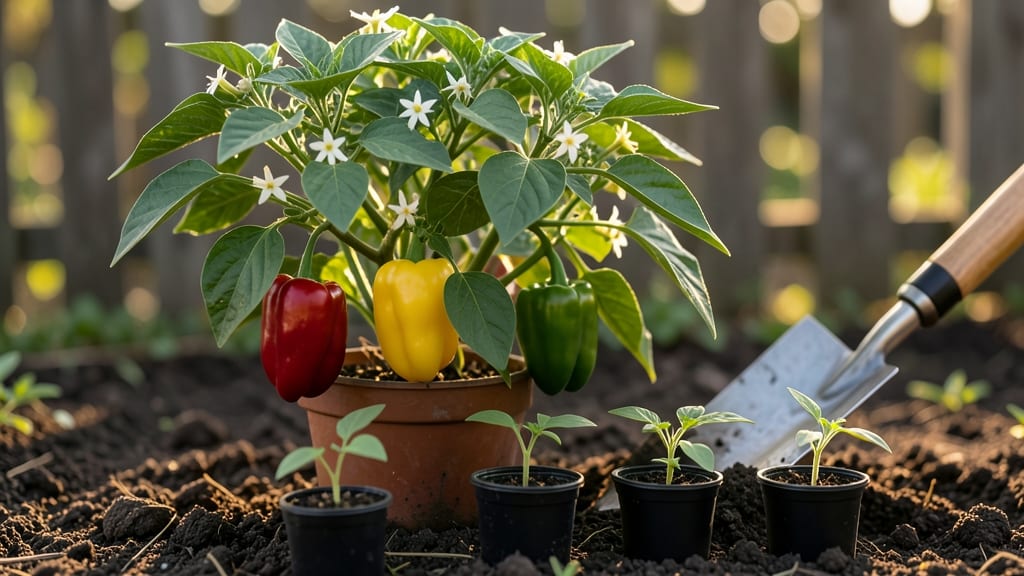
Planting peppers in California means timing your 🌶️ seedlings right—too early and frost zaps them, too late and the heat stunts growth before harvest.
California’s diverse climates—from coastal fog to desert heat—mean your pepper planting window can vary by hundreds of days. Plant too early, and frost will kill your seedlings; too late, and scorching heat stunts growth.
Here’s exactly when to start peppers in every California region, plus pro tips to maximize your harvest.
Coastal areas like San Francisco need a slower start, while the Central Valley and desert zones demand earlier planting. I’ll break down the ideal months for each region, so you can avoid common mistakes like planting when soil is still too cold or ignoring heat-tolerant varieties.
You’ll learn how to adjust planting for early vs. late varieties, soil prep tricks, and even how to extend your harvest season with shade cloth. Ready to grow peppers that thrive all summer long?
Peppers planting calendar by California climate zone
California’s three distinct pepper-growing zones—coastal, inland, and desert—require dramatically different planting windows. In foggy San Francisco, your last frost typically arrives by March 15, while Palm Springs gardeners can plant year-round with heat-tolerant varieties.
Even Sacramento’s Central Valley has a 100-day difference between frost-free dates in northern and southern sections. Let’s break down the exact timing for each zone, including soil temperature thresholds and variety recommendations.
Peppers thrive when soil stays above 60°F—cooler temps stunt growth or trigger rot. Coastal areas often need row covers to warm soil, while desert zones may require shade cloth during peak summer.
The key is matching your pepper variety to your microclimate: bell peppers (60-75 days to harvest) need cooler starts, while habaneros (90+ days) demand desert-like heat. Below, find your zone’s ideal planting window, including when to start seeds indoors versus direct-sowing outdoors.
Pro Tip: Use a soil thermometer—peppers won’t germinate below 70°F, even in warm zones. Coastal gardeners should wait until April 15 to transplant seedlings, while desert gardeners can start January 1 for early varieties.
For coastal California, like San Francisco or Santa Barbara, start seeds indoors by February 15 to give seedlings a head start.
Transplant outdoors only after your last frost (usually April 15), and use black plastic mulch to warm soil faster. Bell peppers and jalapeños do best here, as they tolerate cooler nights better than habaneros.
If you’re in Los Angeles, you can push planting slightly later—March 1 for seeds, April 15 for transplanting.
Inland zones like Sacramento or Fresno have longer growing seasons. Start seeds by January 15 and transplant by March 1 to avoid spring heat waves that can stress young plants. Heat-tolerant varieties like 'Carmen' (bell pepper) or 'Aristotle' (jalapeño) thrive here.
If you’re in northern California, like Redding, wait until March 15 to transplant—frost risk lingers longer in these high-desert areas.
Desert regions, including Palm Springs and Yuma, offer the longest growing seasons. You can start seeds as early as January 1 and transplant by February 1. Habaneros and Carolina Reapers love the heat, but protect seedlings from 100°F+ temps with shade cloth until they’re established. In these zones, you can even plant a fall crop—start seeds again in August for a winter harvest before spring heat arrives.
Regardless of your zone, soil preparation is critical. Peppers hate soggy soil—amend your beds with compost and sand (for desert zones) to improve drainage. Add a time-release fertilizer at planting, and mulch with straw to retain moisture. Companion plants like b
How to adjust planting for early vs. late varieties
Choosing the right pepper varieties for your California region is key to a successful harvest. In coastal areas like San Francisco, cooler temperatures favor early-maturing varieties like 'Early California Wonder,' while desert zones such as Palm Springs thrive with heat-tolerant types like 'Carolina Reaper.'
Your climate dictates not just the variety, but also when to start seeds indoors versus direct-sowing outdoors.
For coastal regions, where mornings often bring fog, I recommend starting heat-sensitive peppers indoors 8-10 weeks before your last frost date—typically around February or March. These varieties need a longer growing season to ripen fully before autumn's chill sets in.
In contrast, desert climates allow for direct-sowing as early as March, with varieties that can handle 100°F+ temperatures without wilting.
Early Varieties (Coastal)
Pros:
- Faster harvest (60-75 days)
- Cold tolerance (50°F+ soil)
- Ideal for foggy coastal areas
Cons:
- Sensitive to heat (wilts above 85°F)
- Limited flavor if not fully ripe
- Shorter season in warm zones
Late Varieties (Desert)
Pros:
- Heat-resistant (thrives at 100°F+)
- Bold flavors when fully mature
- Longer harvest window
Cons:
- Slow to start in cool soil
- Needs more water in desert heat
- Overwhelming for small gardens
To extend the growing season in coastal areas, I use row covers or shade cloth (30%) during late summer to protect peppers from heat stress while still allowing sunlight. This trick lets me grow late varieties like 'Jalapeño M' even in San Diego's mild winters.
In desert regions, I opt for drip irrigation and mulch to retain moisture, helping peppers like 'NuMex Heritage' handle extreme temperatures.
For transplanting outdoors, wait until soil reaches 65°F+—use a soil thermometer to check. In coastal zones, this is usually mid-April to May, while desert areas can start as early as late February.
Always harden off seedlings first by gradually exposing them to outdoor conditions over 7-10 days to avoid shock.
Pro tip: Companion planting can also adjust your pepper's microclimate. Pairing them with basil (which repels pests) or marigolds (which deter nematodes) helps both varieties thrive.
In coastal gardens, I plant peppers near tomatoes to share warmth, while in desert beds, I avoid competing plants like corn that demand too much water.
Remember, pepper maturity isn’t just about days—it’s about temperature accumulation. Use a growing degree calculator to track heat units in your area, ensuring your chosen variety aligns with your local climate.
With the right adjustments, you can enjoy peppers from June to October no matter where you garden in California! 🌱