Plants
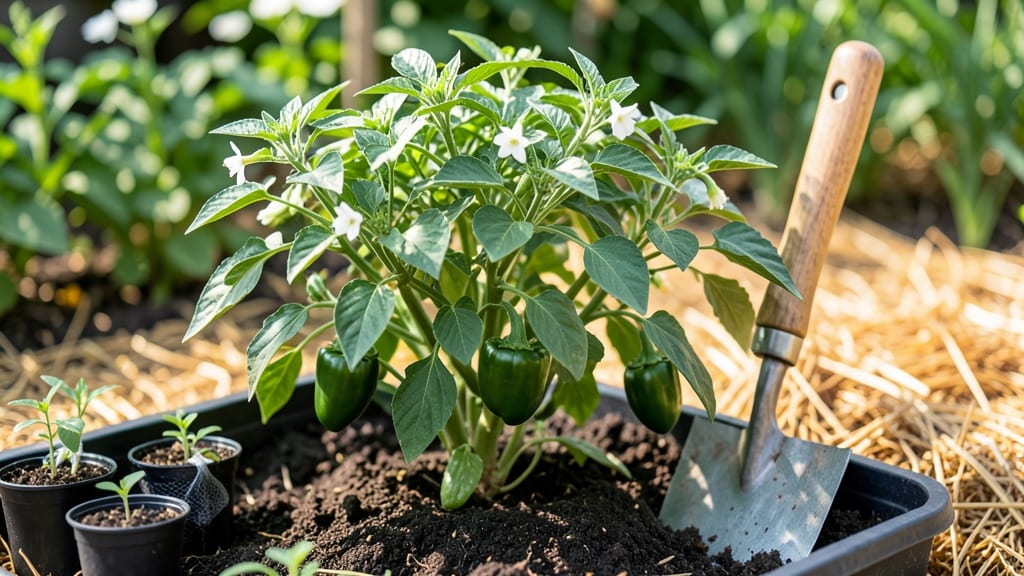
To plant bell peppers in California, aim for February–March along the coast, March–April in inland valleys, or April–May in desert regions—timing that avoids frost while maximizing heat tolerance.
Bell peppers 🌶️ love California’s warmth, but planting too early risks frost damage, while waiting too long cuts your harvest short. The key is aligning your schedule with your USDA zone (9a–10b) and microclimate—coastal areas can start sooner, while inland valleys need to wait for soil to warm.
Whether you’re starting seeds indoors or transplanting seedlings, soil temperature is the real game-changer. Wait until it hits at least 60°F, and you’ll set your peppers up for a longer, more productive season—no more half-sized peppers or stunted growth.
Below, I break down the exact dates by region, how to adjust for late starts, and the simple tricks (like black plastic mulch) that give your peppers the perfect head start.
California planting zones for bell peppers: exact dates by region
California’s diverse climate—from coastal fog belts to inland deserts—means bell pepper planting dates vary dramatically by USDA zone. In Zone 3 (high desert), you can start as early as February, while Zone 11 (coastal Southern California) allows year-round planting with proper protection.
The key is matching your last frost date with soil temperatures above 60°F (15°C)—bell peppers hate cold soil and won’t thrive until it warms.
Microclimates add another layer: Coastal areas (like Santa Cruz) may experience delayed spring warming due to ocean breezes, while Central Valley zones (like Fresno) can hit ideal temps by mid-March. Even within a single zone, elevation changes can shift planting windows by 2-4 weeks.
For example, Los Angeles (Zone 10b) gardeners can plant in January, but mountain slopes in the same zone might wait until March.
🌶️ Pro Tip: Use black plastic mulch to raise soil temps 5-10°F faster in cooler zones, letting you plant 2-3 weeks earlier without risking frost damage.
| Zone | Region Examples | Optimal Transplant Dates | Soil Temp Threshold | Frost Risk Window |
|---|---|---|---|---|
| Zone 3 | High desert (Death Valley, Eastern Sierra) | Late February - Early March | 60°F+ (use row covers) | Jan 31 - Mar 15 |
| Zone 4 | Northern CA mountains (Lake Tahoe area) | Mid-March - Early April | 65°F+ (black mulch helps) | Feb 15 - Apr 1 |
| Zone 5 | Sacramento Valley foothills | Early April - Mid-April | 68°F+ | Mar 1 - Apr 15 |
| Zone 6 | Central Valley (Modesto, Stockton) | Mid-March - Late March | 70°F+ | Feb 1 - Mar 30 |
| Zone 7 | San Francisco Bay Area | Late March - Early April | 72°F+ (coastal delay) | Feb 15 - Apr 10 |
| Zone 8 | Los Angeles Basin, San Diego (coastal) | January - February | 65°F+ (year-round possible) | Dec 1 - Jan 31 |
| Zone 9 | Central Coast (Santa Barbara, Monterey) | December - January | 60°F+ (cooler nights) | Nov 15 - Dec 31 |
| Zone 10 | Riverside, Palm Springs | October - November (fall) or February (spring) | 75°F+ (summer heat tolerance) | Sep 15 - Nov 1 (fall) or Jan 15 - Mar 1 (spring) |
| Zone 11 | San Diego (coastal), Imperial Valley | Year-round (with shade in summer) | 80°F+ (drip irrigation critical) | None (frost-free) |
In Zone 10 and 11, summer heat becomes the challenge—not cold. Bell peppers struggle above 95
Signs your bell pepper planting timing is perfect (or wrong)
Getting your bell pepper planting timing right in California means watching for specific environmental cues that signal the perfect moment to plant. Soil temperature is your first clue—bell peppers need soil that’s warmed to at least 60°F (15°C) to thrive.
If you plant too early in cooler zones like Zone 9a, your seedlings may rot or struggle to grow, delaying your harvest by weeks.
Another critical sign is the last frost date for your region. In California, coastal areas like San Francisco typically see their last frost around December 15, while inland valleys like Sacramento can wait until January 15.
Planting before these dates risks exposing tender seedlings to frost damage, which can be fatal.
- 🌡️ Soil temp reaches 60°F+ (use a soil thermometer)
- ❄️ Last frost has passed in your USDA zone (check local records)
- ☀️ Daylight hours exceed 12+ hours (ideal for pepper growth)
- 🌱 Seedlings are 4-6 inches tall and hardened off
- 📅 Planting window aligns with 60-75 days before first frost
- 🌡️ Soil temp is below 55°F (growth stalls)
- ❄️ Frost risk remains within 2 weeks of planting
- ☀️ Daylight is less than 10 hours (peppers need light)
- 🌱 Seedlings are too young (<3 inches) or leggy
- 📅 Planting is less than 60 days before first frost
One of the biggest mistakes gardeners make is planting bell peppers too early in cooler microclimates, like the Central Coast or Sierra foothills. Even if the air feels warm, cold soil can stunt root growth.
I’ve seen seedlings planted in March in these areas struggle until May, cutting the harvest window short. Use a soil thermometer to confirm readiness—it’s the most reliable tool for timing.
Daylight hours also play a crucial role. Bell peppers need 12+ hours of daylight to set fruit properly. In California, this typically starts in late February for coastal areas and March for inland valleys.
If you plant before this threshold, your peppers may grow leaves but fail to produce fruit, leaving you with a leafy but barren plant.
Finally, pay attention to your local microclimate. Urban areas like Los Angeles can be 10°F warmer than nearby rural zones, allowing for earlier planting. Conversely, high-elevation spots like San Francisco’s hills may need to wait until April for safe transplanting.
Adjust your timing based on these nuances to avoid common pitfalls.
By aligning your planting with these environmental cues, you’ll give your bell peppers the best chance to thrive in California’s diverse climates. Watch for these signs, and you’ll enjoy a longer harvest season with fewer setbacks. 🌶️