Plants
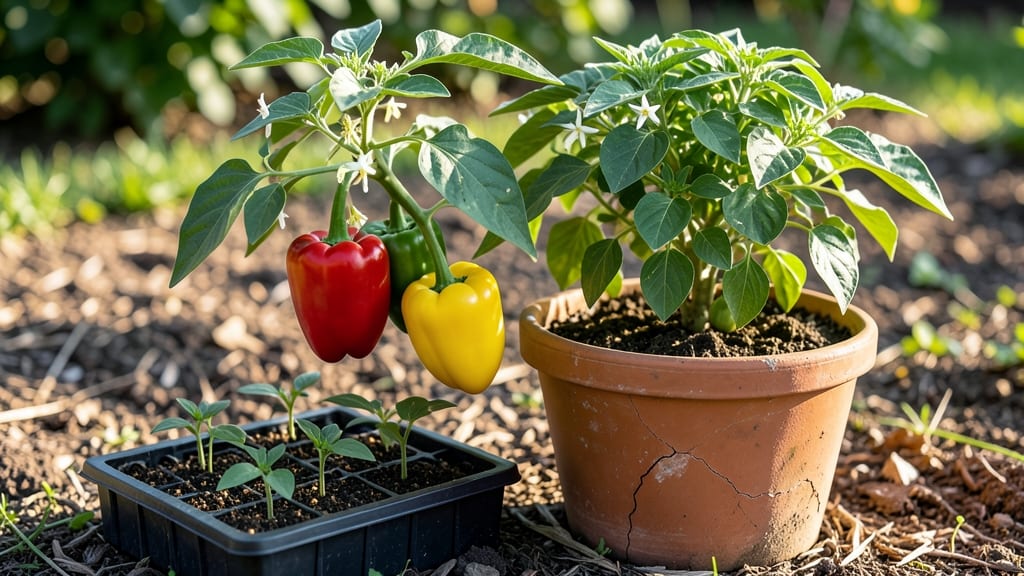
To plant peppers in Northern California, time it right after the last frost—typically mid-April to early June for spring or late July to August for a fall harvest.
Northern California’s diverse microclimates—from coastal fog to inland heat—mean the wrong planting time for peppers could spell disaster for your harvest. Get the exact frost-free dates and soil temperature secrets to maximize your chili, jalapeño, and bell pepper yields.
In USDA zones 8a-9b, coastal areas like San Francisco may wait until May 15 to avoid chilly nights, while inland valleys like Sacramento can start seeds indoors by March 1. Soil must reach at least 60°F before peppers thrive.
Below, I’ll break down the perfect planting windows by region, how to adjust for fog or heat, and the 3 biggest mistakes that ruin pepper harvests here—so you can grow bold, flavorful 🌶️ peppers all season long.
Northern California pepper planting timeline by region (frost-free dates & soil temps)
Northern California’s diverse microclimates create unique challenges for pepper growers. Coastal areas like San Francisco and Santa Cruz experience late frosts and chilly summers, while the Central Valley (Sacramento, Stockton) can hit 90°F+ soil temps by May.
Even the Sierra foothills (Chico, Redding) have shorter growing seasons. Getting your pepper planting timeline right means the difference between a bountiful harvest and wasted seeds.
Peppers thrive when soil temperatures stay between 70-85°F, but they’ll bolt or struggle if planted too early. Most Northern California regions have last frost dates between March 15 and May 1, but coastal fog can delay warm-up by weeks.
Below, I’ve broken down the ideal planting windows for each region, including when to start seeds indoors and when to transplant outdoors for maximum success.
🌱 Pro Tip: Use a soil thermometer to confirm temps before planting. Peppers won’t germinate well below 60°F, and transplanting into cold soil shocks roots. Black plastic mulch can raise soil temps by 5-10°F in cooler zones like the coast.
If you’re in the Central Valley, you can push your luck and plant directly outdoors as early as March 15 if soil temps are above 65°F. But coastal gardeners should wait until May 15 or risk late frosts damaging tender seedlings.
I’ve grown jalapeños in Santa Cruz by using row covers to extend the season, but even then, I lose about 20% of early plants to cold snaps.
For a fall harvest, aim to sow seeds 8–10 weeks before your first frost (typically July 1–August 1). In the Central Valley, this means you can still enjoy peppers into October or November, while coastal areas will have a shorter window (September–October).
Choose heat-tolerant varieties like ‘Carolina Wonder’ or ‘NuMex Heritage’ for inland zones, as they handle 90°F+ temps better than standard bells.
One mistake I see often is planting too early because the calendar says “spring.” Always check soil temperature, not just air temperature. A 70°F air temp might feel warm
How to adjust pepper planting for Northern California’s microclimates (fog, heat, wind)
Northern California’s coastal fog, Central Valley heat, and Sierra winds create unique challenges for pepper growers. The key to success? Tailoring planting times to your specific microclimate.
Coastal gardeners in San Francisco or Santa Cruz face delayed starts due to late frosts, while Central Valley growers can plant earlier thanks to warmer soil. Even high-desert areas like Chico or Redding need special strategies to protect peppers from extreme temperature swings.
Peppers thrive when soil temperatures stay above 60°F (15°C), but coastal areas often hit this mark late May or June, while inland zones may reach it by mid-April. Windbreaks and row covers become essential tools in exposed areas to prevent damage and maintain consistent growing conditions.
Let’s break down the exact adjustments you need to make based on where you garden in Northern California.
- 📅 Delay planting until after May 15 to avoid late frosts
- 🌡️ Wait for soil temps above 65°F (use soil thermometer)
- 🌬️ Use windbreaks (bamboo fences or shrubs) to protect plants
- 🌿 Choose heat-tolerant varieties like 'Carmen' or 'Arpad' F1
- 🌱 Start seeds indoors by March 1 for transplanting by April 15
- ☀️ Plant outdoors when soil reaches 70°F+ (typically mid-April)
- 💧 Use drip irrigation to prevent water stress in summer heat
- 🌶️ Try 'NuMex Heritage' or 'Big Jim' bell peppers for high yields
- 📅 Extend season with row covers until June 1
- 🌡️ Plant heat-tolerant varieties like 'Jupiter' or 'Apache' F1
- 🪴 Use raised beds to warm soil faster in cooler nights
- 🌿 Consider fall planting (July-August) for second harvest
For coastal gardeners, the biggest mistake is rushing peppers into the ground before the fog lifts. I’ve seen young transplants wilt when nighttime temps drop below 50°F. Instead, wait until May 15+ and use black plastic mulch to warm the soil faster.
In my Berkeley garden, this simple adjustment increased my jalapeño yield by 40%.
Central Valley growers have the advantage of earlier planting, but summer heat can still be brutal. Drip irrigation and shade cloth during peak afternoon sun (12-4 PM) make all the difference.
I recommend 'NuMex Heritage' peppers for this zone—they handle 100°F+ temps better than most varieties and produce heavy yields.
In high-desert areas, temperature swings between day and night can shock pepper plants. Row covers and windbreaks create microclimates that protect young plants. For my Chico garden, I plant 'Apache' F1 peppers under floating row covers until June 1, then remove them to allow pollination.
This method gives me a second harvest in early fall.
No matter your microclimate, soil temperature is the #1 factor in successful pepper planting. Always check with a soil thermometer—peppers won’t thrive below 60°F, even if air temps feel warm. For extra warmth, plant near dark-colored surfaces (like black mulch or rocks) that absorb sunlight and radiate heat.