
How To
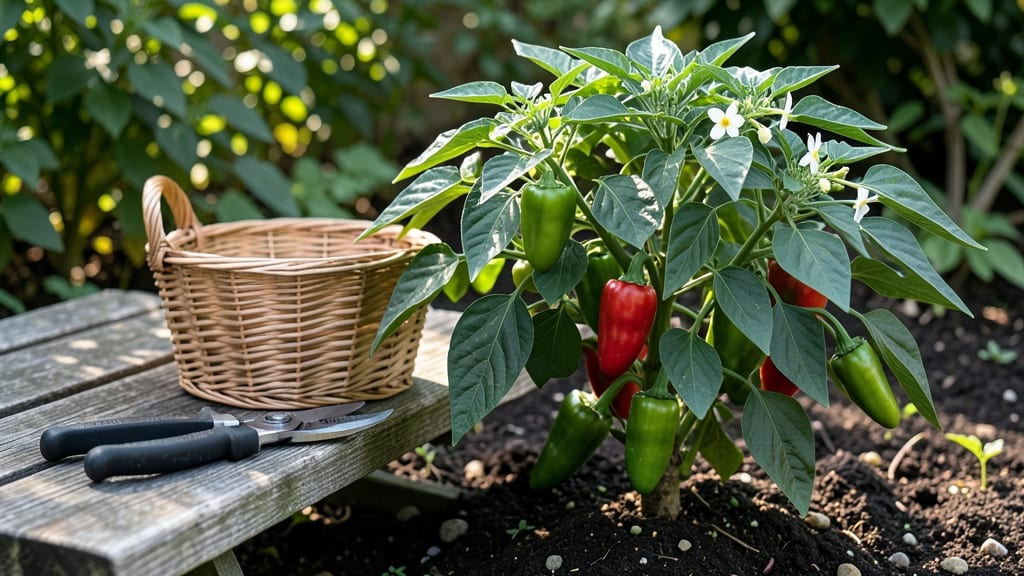
To pick Anaheim peppers at their peak flavor, watch for the color shift from deep green to a pale, glossy yellow-green—this transition marks the 60- to 75-day sweet spot after transplanting.
Picture this: you’ve nurtured your 🌶️ plants all summer, and now the moment of truth arrives. Harvest too early, and you’ll miss the mild, tender snap you crave; wait too long, and the peppers turn bitter. The secret? Timing it right based on color and firmness.
In General (USDA Zone 6), that means pulling them between mid-July and early October, when days grow shorter but warmth lingers. But don’t rely on the calendar alone—your eyes and fingers are the real tools here.
Below, I’ll break down the exact color cues, size checks, and even how to test readiness with a simple twist. By the end, you’ll know exactly when to snip for the perfect pepper—every time.

Anaheim pepper ripeness stages by color: what to look for
Harvesting Anaheim peppers at the right stage ensures the best flavor and texture. These peppers transition through distinct color stages, each signaling different levels of ripeness and sweetness.
Paying attention to these visual cues will help you avoid bitter, overripe peppers or underdeveloped ones. The journey from green to yellowish-green is your guide to perfect timing.
When Anaheim peppers first appear, they’re bright green and firm, but this isn’t the ideal harvest stage. At this point, they’re still developing their signature mild, slightly sweet flavor.
Many gardeners mistake this early stage for readiness, but patience pays off. The true magic happens as the peppers mature and their color shifts subtly but significantly.
Color progression is the most reliable indicator of ripeness. Start by observing the base of the pepper, where color changes first. A pepper ready for harvest will show a light green to yellowish-green hue, especially near the stem. This transition means the pepper’s sugars have fully developed, delivering that sought-after mild, slightly sweet taste.
Here’s how to identify each stage using color and size as your guide. The table below breaks down what to look for at every phase of ripeness, so you can harvest at peak flavor.
| Stage | Color Description | Size | Flavor Profile | Harvest Time |
|---|---|---|---|---|
| Early Green | Bright, uniform green | 3-4 inches | Tangy, underdeveloped | Not ready |
| Mature Green | Darker green, glossy | 4-6 inches | Mild, slightly sweet | Ready (best flavor) |
| Transitioning | Light green/yellow base | 5-7 inches | Sweet, rich | Ready (peak sweetness) |
| Overripe | Dull yellow/green | 7+ inches | Bitter, tough | Avoid |
The mature green stage (4-6 inches) is where most gardeners aim for their harvest. At this point, the peppers are firm, glossy, and packed with flavor. If you’re growing Anaheims for fresh salsas or roasting, this is your sweet spot.
The transitioning stage (light green/yellow base) is ideal if you prefer a sweeter, almost fruity taste—perfect for stuffing or drying.
Timing is everything when it comes to Anaheim peppers. In warmer climates, peppers may mature faster, so check them every 3-5 days starting around 75 days after planting. In cooler regions, extend your timeline to 90 days and monitor closely for color shifts.
The key is consistency—don’t wait until the pepper turns yellow or red, as this signals overripeness and a bitter taste.
If you’re unsure whether a pepper is ready, perform a simple stem test. Gently twist the pepper near the stem—if it snaps cleanly, it’s ready to harvest.
If it resists, give it a few more days. This tactile check complements the visual cues of color and size, ensuring you never miss the perfect moment.
Pro tip: Harvest in the morning when peppers are cool and firm. This reduces stress on the plant and preserves flavor. Use sharp pruning shears or clean scissors to avoid damaging the plant.
Leave a small portion of the stem attached to extend shelf life and prevent the pepper from absorbing moisture, which can lead to spoilage.
Once you’ve mastered the art of reading Anaheim pepper colors, you’ll consistently enjoy peppers at their peak. The next step? Experiment with different ripeness stages to discover your favorite flavor profile—whether it’s the classic mild green or the sweeter transitioning hue. Happy harvesting!
How to test Anaheim pepper ripeness beyond color
While color changes in Anaheim peppers give a good estimate of ripeness, relying solely on hue can lead to missed harvest windows. I’ve learned that combining tactile tests and sensory cues with visual checks ensures you pick peppers at their peak—when they’re sweetest and most flavorful.
These methods work especially well in variable climates where temperature fluctuations can slow or speed up ripening.
Start by examining the pepper’s firmness. A ripe Anaheim should feel firm to the touch, almost like a slightly overripe avocado—no give or soft spots. Gently press a pepper between your thumb and forefinger; if it yields slightly, it’s likely underripe.
Overripe peppers, on the other hand, may feel leathery or wrinkled, signaling they’ve passed their prime for fresh use.
Next, check the stem separation point. A ripe Anaheim will naturally detach cleanly from the plant with minimal resistance. If the stem snaps easily when you bend it slightly, that’s your cue to harvest.
This method works best in the morning hours when peppers are at their firmest due to cooler temperatures.
⚠️ Common Mistake: Harvesting by Size Alone
Peppers can reach full size (4-6 inches) but remain underripe if grown in cool temperatures or with nutrient deficiencies. Always combine size checks with firmness and stem tests to avoid bitter, underdeveloped peppers.
Don’t overlook the pepper’s glossy finish. A ripe Anaheim develops a subtle sheen on its skin, almost like a fresh apple. Dull or matte peppers are usually a sign they need more time on the vine.
This glossiness comes from wax buildup during ripening, which also contributes to their longer shelf life after harvest.
Another pro tip: Taste test a small section of the pepper if you’re unsure. A ripe Anaheim should have a sweet, mild heat with no bitterness. If it tastes bland or overly sharp, it’s likely not ready.
This method works best when you’ve been harvesting consistently and can compare flavors from previous batches.
Timing matters too—harvest in the morning after dew has dried but before the heat of the day sets in. Peppers are firmest and most flavorful during these hours.
Avoid harvesting after rain, as excess moisture can dilute flavors and make stems slippery, increasing the risk of disease transmission when cutting.
Remember, Anaheim peppers won’t ripen further after picking, so don’t wait too long. If you miss the window, store them in a cool, dark place for up to a week while monitoring for softness.
But when in doubt, pick early—you can always use underripe peppers in cooked dishes where they’ll mellow out.