
Picking
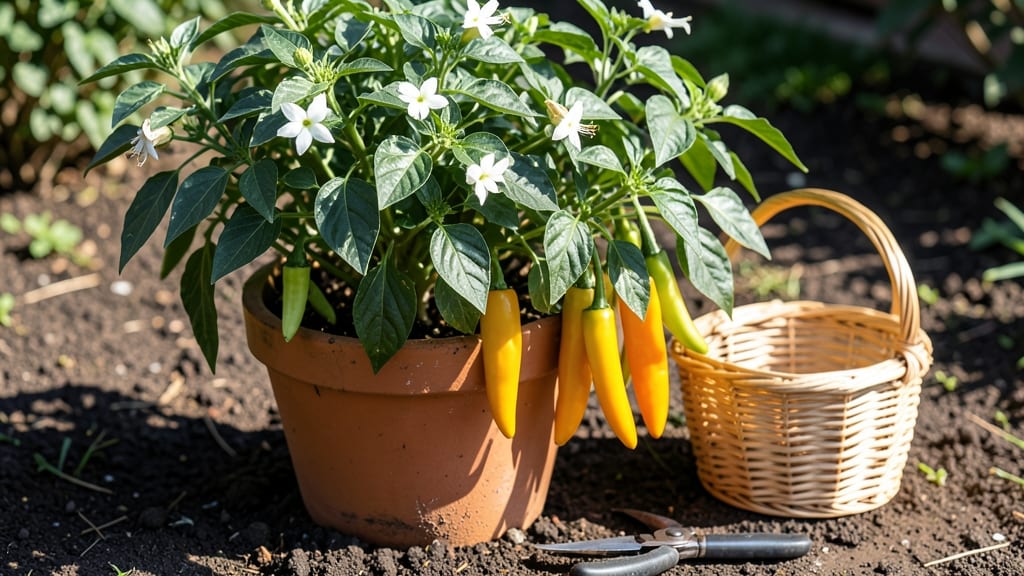
Sweet banana peppers 🌶️ are ready to pick when they turn bright yellow, orange, or red and reach 2-3 inches in length, but timing matters—harvest too early, and you lose their signature tangy sweetness.
Picture this: you’ve nurtured your plants all season, and now the peppers are changing colors faster than you can snap photos. But how do you know if they’re really ready?
The answer lies in a mix of color, size, and a simple thumb test that tells you when to grab those peppers for the best flavor.
Most sweet banana peppers take 75-90 days to mature, but climate and variety play a role. Warmer zones might speed things up, while cooler areas could stretch the timeline. I’ll break down the exact color cues and physical clues so you never miss the perfect moment.
By the end, you’ll know exactly when to pluck them for that ideal balance of crispness and sweetness—no guesswork, just perfectly ripe peppers every time.

Sweet banana pepper ripening stages by color: what each shade means
Sweet banana peppers go through distinct color changes that signal ripeness and flavor development. Unlike hot peppers, their sweetness peaks when they turn bright yellow, orange, or red. Understanding these color-coded stages helps you harvest at the perfect moment for maximum flavor.
Each stage reveals more than just color—it shows size progression, texture changes, and flavor intensity. For example, a pepper that's green and firm is underripe, while one that's soft or wrinkled may be overripe. Let's break down what each shade means for your harvest.
| Stage | Color | Size | Flavor | Texture | Harvest Time |
|---|---|---|---|---|---|
| Immature | 🟢 Bright Green | 1-1.5 inches | Grassy, bitter | Firm, hard | Not ready |
| Early Ripening | 🟢🟡 Light Green-Yellow | 1.5-2 inches | Mild, sweetening | Firm but yielding | Optional harvest |
| Peak Ripeness | 🟡🟠 Yellow/Orange | 2-3 inches | Sweet, tangy | Firm, crisp | Perfect harvest |
| Overripe | 🔴 Dark Red | 3+ inches | Slightly bitter | Soft, wrinkled | Avoid unless needed |
The immature stage (bright green) is the least desirable for flavor. These 1-1.5 inch peppers taste grassy and bitter, but they're safe to pick if you need a quick harvest. I usually let mine grow past this stage for better sweetness.
At the early ripening stage, peppers develop a light green-yellow hue and reach 1.5-2 inches. Their flavor starts sweetening, making them a great compromise if you're impatient. This is also when they begin yielding slightly under gentle thumb pressure.
Peak ripeness occurs when sweet banana peppers turn bright yellow, orange, or red. These 2-3 inch peppers are crisp, firm, and packed with maximum sweetness. This is the ideal window for harvesting—don't wait too long, or they'll lose their crisp texture.
If left on the vine too long, peppers enter the overripe stage, turning deep red and softening. While still edible, they develop a slightly bitter aftertaste. Overripe peppers are best used in cooked dishes where bitterness is masked.
Temperature and sunlight affect ripening speed. In hotter climates, peppers may ripen faster, while cooler weather slows color change. I've noticed my peppers in Zone 6a take about 75 days to reach peak ripeness from transplant.
Pro tip: Harvest in the morning when peppers are cool and crisp. Use clean pruning shears to avoid damaging the plant. Store harvested peppers in the fridge for up to 1 week to preserve their sweetness and texture.
For the best flavor, aim to harvest at the peak ripeness stage. If you miss this window, don't worry—sweet banana peppers are forgiving. Just avoid letting them sit too long on the vine, or you'll lose that prized sweetness.
How to test sweet banana pepper ripeness beyond color: 3 pro tips
Color alone isn’t always the best indicator of sweet banana pepper ripeness. Some peppers may look ripe but taste bland, while others appear underripe yet pack maximum flavor. To avoid disappointment, I rely on three simple tests that go beyond the color spectrum.
These methods help me determine when my sweet banana peppers are truly ready to pick for that perfect balance of sweetness and tang.
First, let’s address the finger pressure test, a quick way to assess ripeness without damaging the pepper. This technique reveals the internal firmness that often gets overlooked.
Next, we’ll explore the stem detachment technique, which tells you whether the pepper is mature enough to harvest without stressing the plant. Finally, I’ll share how flavor sampling at different stages can become your secret weapon for consistently perfect harvests.
One common mistake I see gardeners make is relying only on color to determine ripeness. Some varieties may stay green longer, while others develop color faster depending on sunlight and temperature. That’s why combining these three tests gives you the most accurate picture of ripeness.
For example, a pepper might look bright yellow but still feel firm—this means it needs more time on the vine.
Another pitfall is harvesting peppers that are too large. While size matters, prioritize firmness and color over length. Overripe peppers lose their crisp texture and sweetness, becoming rubbery or overly soft.
I’ve learned to harvest my sweet banana peppers when they’re 2-3 inches long and show consistent color, ensuring the best balance of flavor and texture.
To put these tips into action, start by testing a few peppers each week once they reach 1.5 inches in length. Keep a small notebook to track which methods work best for your specific growing conditions.
Over time, you’ll develop an intuition for when your sweet banana peppers are truly ready to pick, guaranteeing a bountiful harvest of flavorful peppers all season long.