
How To
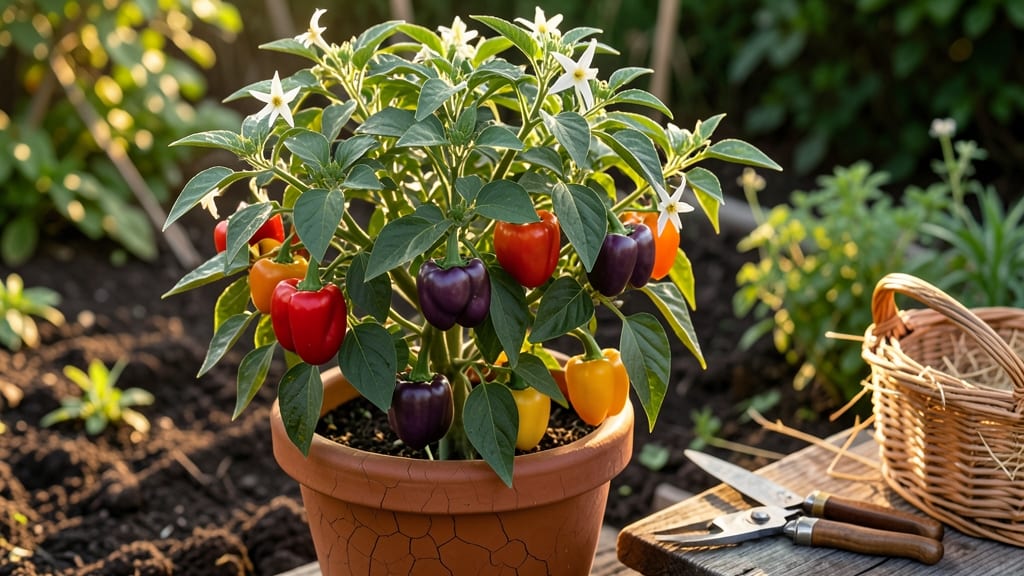
To pick Mad Hatter peppers at their peak, watch for vibrant color shifts from green to red or yellow 🌶️—each hue signals a different flavor and heat profile.
I’ve learned the hard way that harvesting too early means bland, underripe peppers, while waiting too long turns them mealy and past their prime. The color-coded stages are your best guide, but there’s more to it than just looking.
In warmer climates, these peppers ripen faster, so you might harvest as early as July, while cooler zones like Zone 6a could stretch the season until October. Timing matters just as much as technique.
Below, I’ll walk you through the exact ripeness cues—color, firmness, and even the right time of day to harvest—for the sweetest, spiciest, or most balanced Mad Hatter peppers you’ve ever tasted.

Mad Hatter pepper ripeness stages by color: what each shade means
Mad Hatter peppers transform through distinct color stages, each signaling a different flavor profile and heat level. From grassy green to fiery red, understanding these shifts helps you harvest at the perfect moment.
The striped pattern fades as they mature, revealing their true ripe color—whether bold red, golden yellow, or deep orange. Let’s break down what each hue means for your pepper’s potential.
First, immature green peppers are unripe and grassy-tasting, with minimal heat. They’re firm and thick-skinned, often measuring 2-3 inches long. These are best left on the plant, as their flavor and heat won’t develop until they ripen.
Picking too early means sacrificing the sweetness and complexity you’re growing them for.
Next comes the transition phase, where peppers shift to yellow, orange, or light red stripes. This stage marks partial ripeness, with flavors becoming sweeter and slightly tangy. The heat level starts to build, but it’s still mild compared to fully ripe peppers.
Their skin may soften slightly, and the stem begins to dry out. This is a great time to harvest if you prefer a balanced sweet-spicy taste.
The summary-table below distills the key ripeness stages, helping you spot the ideal harvest window at a glance. Use it as your color-coded guide to avoid missing peak flavor.
The fully ripe stage is where Mad Hatter peppers shine, with colors like deep crimson, golden yellow, or burnt orange. At this point, their skin softens slightly, and the stem detaches easily from the plant.
The flavor deepens, offering a balance of sweetness and heat, while the heat level peaks between 5,000 and 10,000 SHU. This is the sweet spot for drying, fermenting, or enjoying fresh in salsas and stews.
If you miss the ripe window, peppers can become overripe, turning dull and wrinkled with a leathery texture. Their flavor shifts to bitter, and the heat may intensify unpredictably.
Overripe peppers are best used in fermented dishes or composted, as their quality declines rapidly. Keep an eye on your plants to avoid this stage entirely.
Climate plays a role in ripening speed: hot, sunny days accelerate color changes, while cool evenings slow them down. In shorter growing seasons, prioritize harvesting at the partially ripe stage to enjoy your peppers before frost. Always pick on dry mornings to preserve flavor and texture.
Pro tip: Twist peppers gently at the stem to test ripeness. A clean break means it’s ready, while a green stem end signals it’s not there yet. This tactile check complements color cues for precision harvesting. 🌶️
How to test Mad Hatter pepper ripeness beyond color: tactile and taste clues
Color is just the beginning when testing Mad Hatter pepper ripeness. These peppers undergo dramatic flavor and heat transformations as they mature, so relying solely on their striped skins can lead to disappointment.
To truly nail the perfect harvest, I’ve learned to combine tactile tests, stem checks, and even taste-testing—especially when growing in hot vs. cool climates, which can delay or accelerate ripening.
First, let’s talk about firmness. A ripe Mad Hatter pepper should feel firm but yield slightly when you press your thumbnail against it. Think of it like a ripe avocado—just enough give to signal readiness without being mushy.
In hot climates, peppers may soften faster, so I check them every 2-3 days once they near their target size. In cooler regions, this test becomes even more critical since ripening slows down.
Next, examine the stem separation. When a pepper is ready, the stem should detach cleanly from the plant with a gentle twist or tug. This indicates the pepper has fully matured and is at its peak flavor intensity.
If the stem resists or tears, the pepper needs more time. I’ve made the mistake of picking too early for sweetness, only to discover the heat hadn’t fully developed yet—a common pitfall with striped varieties.
🚨
Don’t wait too long! Overripe peppers lose heat and develop a mealy texture. In cool seasons, ripening slows, so monitor closely. If the skin wrinkles or the pepper feels hollow when tapped, it’s past its prime. For optimal heat, harvest when the color is deep and consistent—usually 75-90 days after transplanting.
For the ultimate test, I always do a taste check on one pepper from each plant. The flavor profile shifts dramatically: green peppers are mild and crunchy, while fully ripe ones explode with sweetness or heat, depending on the variety. In hot climates, peppers may ripen faster, so I taste-test earlier. In cooler areas, I might wait an extra 5-7 days to ensure full flavor development.
Another pro tip: Check the size. Mad Hatter peppers typically reach 3-4 inches in length at maturity. If they’re smaller but the color is vibrant, they might still need time to develop their full heat potential.
I’ve found that in short growing seasons, prioritizing size over color can mean the difference between a bland pepper and one with bold, complex flavors.
Finally, adjust your approach based on your local climate. In hot, dry regions, peppers may ripen in as little as 60 days, while in cooler, wetter climates, they might take 90 days or more.
Pay attention to how your plants respond—if they’re struggling to ripen, a light fertilizer boost with phosphorus can help speed up the process without sacrificing quality.