
Picking
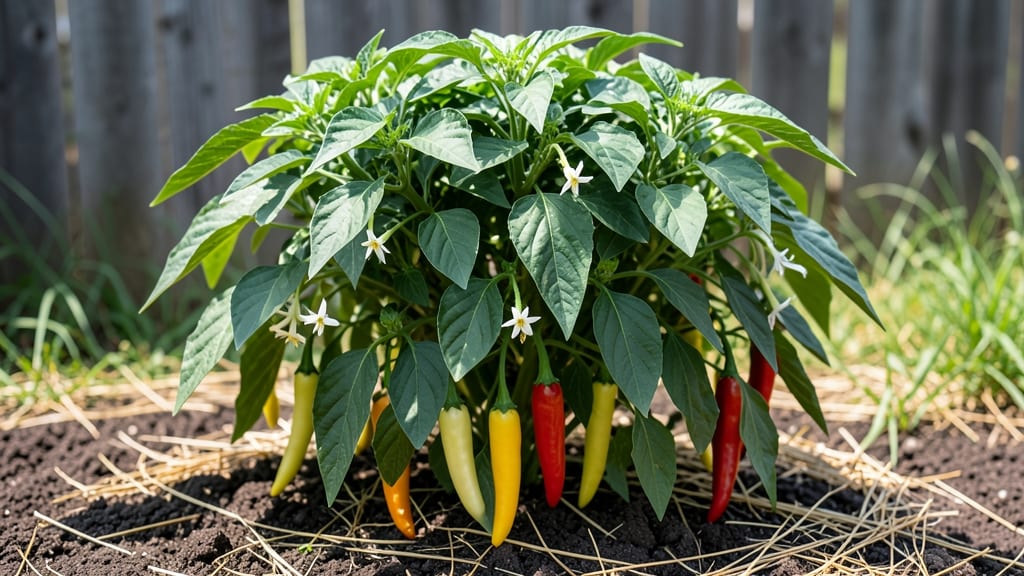
Banana peppers start green but gradually turn yellow, then vibrant red as they ripen, with sunlight and warmth accelerating this natural color transformation. Green varieties are typically harvested early, while fully mature peppers develop their signature bright red or orange-red hues.
Banana peppers undergo a fascinating color transformation thanks to chlorophyll breaking down and carotenoids taking over. 🌱 The green stage represents unripe fruit, while the red phase signals peak sweetness and flavor intensity.
I've noticed that peppers left on the vine longer develop deeper red tones, though they may become slightly softer—this is why many chefs prefer green banana peppers for pickling or stir-fries where you want a firmer bite.
What's interesting is how light exposure affects this process—more sunlight speeds up the color change, while cooler temperatures slow it down. This explains why you might see different color variations in home gardens versus commercial farms.
For best results, harvest green peppers when they're firm and bright, or wait for the red stage if you prefer sweeter, more complex flavors.
💡 In This Article
- Banana Pepper Color Changes: Science Behind Ripening
- Harvesting Banana Peppers by Color for Best Flavor
Banana pepper color changes: science behind ripening
The vibrant color transformation in banana peppers begins with chlorophyll—the green pigment that dominates unripe fruit. This pigment masks the underlying carotenoids (like beta-carotene and lycopene) that give ripe peppers their red and orange hues.
As the pepper matures, sunlight triggers a biochemical cascade where chlorophyll breaks down through a process called senescence, revealing the carotenoids underneath. 🌱 This is why green peppers taste more grassy—the chlorophyll contributes to their sharper, less sweet profile.
The transition from green to red isn't linear—it passes through yellow stages as intermediate carotenoids emerge.
Temperature plays a crucial role: peppers ripen faster in warm climates (like the American South) where they can go from green to red in just 4-6 weeks, while cooler regions may take 8-10 weeks or longer.
Interestingly, banana peppers develop less heat than jalapeños because they contain lower concentrations of capsaicin—the compound responsible for spiciness—which peaks earlier in the ripening process.
Light exposure accelerates this transformation by increasing photosynthesis, which fuels the biochemical reactions. That's why peppers left on the vine in full sun develop deeper red tones faster than those in shade.
The red stage isn't just about color—it signifies peak sweetness and flavor complexity, with sugar content often 20-30% higher than green peppers. This makes ripe banana peppers ideal for fresh eating or sauces where you want that natural sweetness to shine.
Comparing to other peppers reveals fascinating differences: bell peppers never develop capsaicin, so they stay sweet regardless of color, while jalapeños maintain heat even when red. Banana peppers strike a balance—mild heat when green that mellows into sweetness when ripe.
The color change is also a visual indicator of ripeness: green means harvest now for pickling, while red means wait for maximum flavor potential. 🌶️
What's less obvious is how pH levels change during ripening. Green peppers have a slightly acidic pH (around 5.5-6.0), while red peppers become more neutral (6.5-7.0), which affects how they interact with cooking acids like vinegar or lemon juice.
This pH shift also influences storage life—red peppers soften faster due to increased enzyme activity during ripening.
For home gardeners, this science explains why some peppers never turn red: they're often harvested too early or lack sufficient sunlight. The key is patience—waiting for that first red blush signals the pepper is ready to pick for optimal flavor.
And if you're curious about heat levels, remember: green banana peppers pack a 100-500 SHU punch, while red ones drop to 0-100 SHU, making them nearly sweet.