
How To
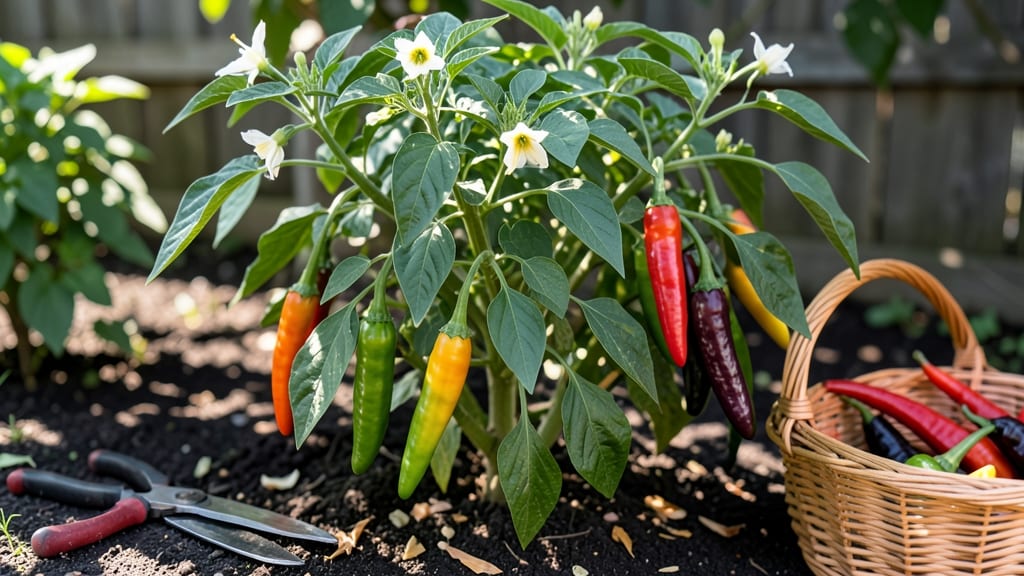
Harvesting gypsy peppers 🌶️ at the right moment means capturing their boldest flavor and heat before they turn bitter or mealy.
Picture this: your garden is bursting with deep purple or fiery red peppers, but you’re not sure if they’re ready. One wrong move, and you’ll either end up with underripe peppers that lack punch or overripe ones that taste bland—or worse, start to spoil.
The secret lies in watching for the perfect color shift, firmness, and even a little give when you twist the stem.
Timing matters because gypsy peppers don’t just change color—they transform in spice and texture. In USDA Zone 6a, where spring planting kicks off in April, you’ll likely start seeing harvest-ready peppers by mid-summer, but the exact window depends on your local climate.
Too early, and you’ll miss the peak heat; too late, and the flavor fades.
Below, I’ll break down the exact visual cues to watch for, how to test ripeness like a pro, and even how to adjust your harvest schedule if you’re dealing with a short growing season. No more guessing—just perfectly timed peppers every time.

Gypsy pepper color stages: the exact timeline to harvest for maximum heat
Gypsy peppers transform through four distinct color stages, each signaling a different heat intensity and flavor profile. Understanding these stages helps you harvest at the perfect moment—when sweetness peaks and capsaicin levels reach their fiery maximum.
The journey begins with green peppers and ends with deep purple or red varieties, depending on your plant type.
Color isn’t the only factor—temperature and daylight also influence ripening speed. In hot climates like Texas or Arizona, peppers may ripen 2-3 weeks faster than in cooler regions like USDA Zone 5.
I’ll break down the exact timeline for each stage, so you can adjust your harvest schedule based on where you garden.
| Stage | Color Description | Heat Level (Scoville) | Days to Ripen (From Transplant) | Best Harvest Time |
|---|---|---|---|---|
| Green | Pale to dark green | Low (0-500 SHU) | 70-75 days | Early harvest (mild, sweet) |
| Yellow | Bright yellow-orange | Medium (1,000-2,000 SHU) | 75-80 days | Peak sweetness, mild heat |
| Red | Deep red, glossy | High (2,500-5,000 SHU) | 80-85 days | Maximum heat, bold flavor |
| Purple | Deep purple-black | Very High (5,000-10,000 SHU) | 85-90 days | Spiciest, earthy notes |
Note: Purple varieties like 'Gypsy Purple' reach peak heat later than red types.
The green stage is where most gardeners make their first mistake—harvesting too early for mild, sweet peppers instead of waiting for heat. These peppers are underripe and lack the complex flavors developed in later stages.
If you’re growing Gypsy peppers for sauces or drying, wait until they reach yellow or red for the best results.
For maximum heat, aim to harvest Gypsy peppers in the red or purple stage. This is when capsaicin production peaks, delivering that signature fiery kick.
In cooler climates, like the Pacific Northwest, peppers may take 10-14 extra days to ripen compared to hotter regions like Florida or California.
Watch for skin texture changes—ripe peppers develop a glossy finish and feel firm but slightly yielding when gently squeezed. Overripe peppers become wrinkled or leathery, losing their heat and developing a bitter taste.
I recommend harvesting every 2-3 days once peppers start coloring to avoid missing the window.
If you’re in a short growing season, like Zone 4 or 5, consider using row covers or greenhouses to extend the harvest window. This trick has helped me push my Gypsy pepper season by 3-4 weeks in my New England garden.
Even a simple cold frame can make a difference in cooler months.
Pro tip: Morning harvests are ideal because peppers are coolest and firmest after the night. Use clean, sharp pruners to avoid damaging the plant, and leave 1/4 inch of stem attached to prevent spoilage.
Store harvested peppers in a cool, dark place (like a ventilated basket) for up to 2 weeks.
Remember, color fades as peppers age, so don’t wait until they’re fully dry or shriveled. The sweetest and spiciest Gypsy peppers are those harvested at the peak of their color, just before they start to soften. With this timeline, you’ll never miss the perfect moment again!
How to test gypsy pepper ripeness: 3 pro methods beyond just color
Color alone isn’t always the best indicator for gypsy pepper ripeness. These peppers can fool you with vibrant hues while still being underripe—or worse, overripe and bitter. To nail the perfect harvest, I rely on three pro methods that go beyond just looking at the skin.
These tactile and sensory tests ensure you pick peppers at their spiciest, sweetest peak.
First, let’s debunk the myth that you must wait for a specific color. Gypsy peppers mature through multiple stages, and each stage offers unique flavors. For example, a deep purple pepper might be fully ripe, while a bright red one could still be firming up.
That’s why I combine visual cues with physical tests to confirm ripeness every time.
- 🤏 Firmness Test: Press a pepper gently with your thumb. At peak ripeness, it should feel firm but slightly yielding, like a ripe avocado. If it’s hard or mushy, it’s not ready—or past its prime.
- 🌱 Stem Separation: Gently twist the pepper at its stem. A ripe gypsy pepper will detach cleanly with minimal resistance. If the stem resists or tears, it’s not fully mature yet.
- 🌶️ Taste Sampling: The ultimate test! Cut a small slice from a fully sized pepper and taste it. At peak ripeness, gypsy peppers balance heat and sweetness. If it’s bland or overly bitter, it’s time to harvest or discard.
For premature peppers, you’ll notice they’re smaller than expected and lack the characteristic glossy sheen. Their stems won’t twist easily, and they’ll feel hard and waxy to the touch. These peppers need more time on the plant to develop their signature heat and flavor profile.
On the flip side, overripe peppers are the trickiest to spot. They might still look vibrant but will feel soft or wrinkled. The skin may also develop a dull finish, and the flesh inside could be mushy or seedy.
Overripe peppers lose their heat and gain bitterness, so it’s best to harvest them before they reach this stage.
Pro tip: Harvest in the morning when temperatures are cooler. This ensures the peppers are fully hydrated, making them firmer and easier to test for ripeness. Store them in a cool, dry place away from direct sunlight to preserve their quality until you’re ready to use them.
By mastering these three tests, you’ll never second-guess when to harvest your gypsy peppers again. Whether you’re growing them for heat, sweetness, or both, these methods guarantee you’ll pick them at their absolute best—just in time for your favorite recipes or drying projects. 🌱