
How To
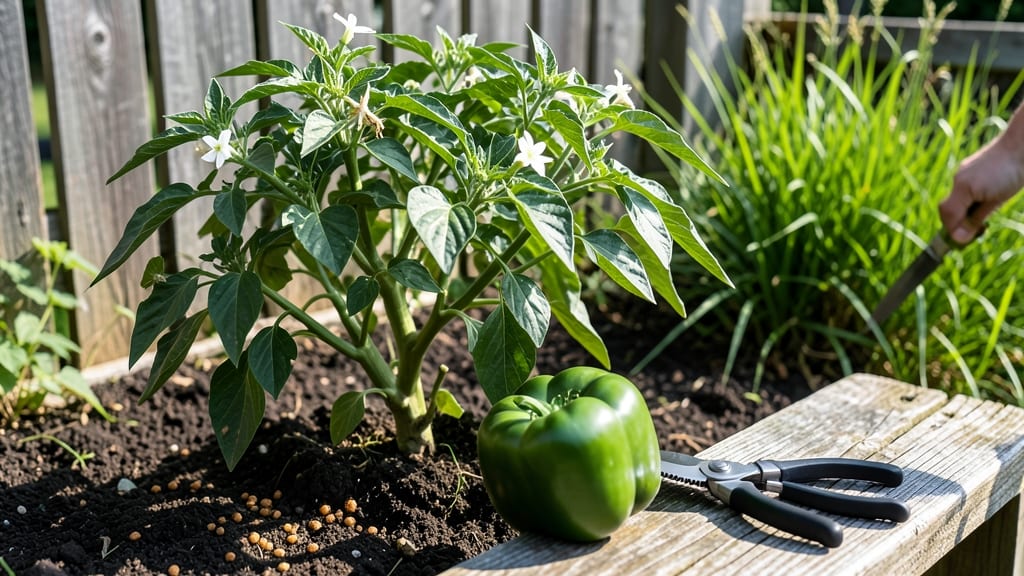
Knowing when green peppers 🌶️ are ready to pick is the secret to unlocking their full flavor and avoiding wasted effort in the garden.
Picking green peppers at the perfect moment means the difference between a crisp, flavorful harvest and a bland, underdeveloped one—yet many gardeners miss the subtle visual cues that signal readiness.
From size and color to firmness and stem separation, these 5 key indicators will help you determine the best time to harvest for peak taste and productivity.
Whether you're a beginner or an experienced gardener, mastering these signs ensures you never miss the window between underripe and overripe.


5 Key visual signs your green peppers are ready for harvest
Picking green peppers at the perfect moment transforms your garden harvest from good to exceptional. Unlike many vegetables, peppers don't ripen after picking, so timing matters. I've learned the hard way—overripe peppers lose their crisp texture and develop a bitter aftertaste, while underripe ones taste bland and mealy.
The secret lies in these five visual cues that guarantee peak flavor and yield.
Most gardeners focus on color alone, but true readiness involves a combination of size, skin texture, and even how the pepper detaches from the plant.
I'll walk you through each sign with practical examples from my own 3-year pepper-growing journey, including what happens when you miss these clues.
Here's the game-changer: Green peppers mature in 3 distinct phases, but only the middle phase delivers optimal flavor. The first phase is too early—peppers are small, hard, and lack sweetness.
The third phase? Overripe—skin becomes waxy, seeds darken, and the pepper's structure weakens. Mastering these visual cues helps you avoid both extremes.
- 📏 Size Matters: Bell peppers should reach 3-4 inches in length. Smaller varieties like jalapeños need 2-3 inches. Measure against your thumb—if it's longer than your thumb, it's ready!
- 🟢 Deep Color: Look for uniform, deep green (not pale). For colored varieties, the stem end should turn white—this signals ripeness. My 'California Wonder' peppers turn a rich, glossy green at this stage.
- 🤏 Firm but Slightly Yielding: Press gently—ready peppers feel firm but give slightly, like a ripe avocado. If it's rock-hard, it's underripe; if it's mushy, it's overripe.
- ✂️ Stem Separation: The pepper should detach easily when you twist or gently pull. If the stem snaps cleanly (not tearing the pepper), it's perfect. This means the plant has fully nourished the pepper.
- 🌿 Glossy Skin: Ready peppers have a slightly waxy, glossy sheen. Dull or wrinkled skin means it's past its prime. I test this by running my finger along the skin—smooth = ready!
Let me share a real-life lesson from my garden last summer. I picked a batch of 'Banana Peppers' based solely on size, but they tasted hollow and watery.
Upon closer inspection, their stems hadn't separated cleanly—they were 2 days too early. That's when I learned to combine all five cues, not just one.
The skin texture clue often gets overlooked, but it's a game-changer for flavor. Peppers at the perfect stage have a slightly leathery feel—neither rubbery nor soft. I test this by gently pinching the pepper.
If it springs back immediately, it's ready. If it stays indented, it's overripe and will be seedy and bitter.
Here's a pro tip for gardeners in hot climates: Peppers ripen faster in heat, so check them every 3-4 days instead of weekly.
I once missed a harvest window in Zone 9 because I assumed the 70-day timeline from seed packets applied universally. Climate adjustments are key—peppers in cooler zones may take 10-14 extra days to reach these visual cues.
One common mistake I see is assuming all green peppers follow the same rules. Banana peppers, for example, stay smaller and thinner than bell peppers but still need the same firmness and stem separation.
Always check your seed packet notes for variety-specific size benchmarks. My 'Lunchbox' peppers mature at 2 inches, while 'Giant Marconi' peppers need 6 inches.
Finally, remember that harvesting encourages more production. When you pick a pepper at the right stage, the plant redirects energy to produce another. I've seen 30% more yield in my garden simply by harvesting consistently at these visual cues.
The key is regular checks—twice weekly during peak season—to catch that perfect window.
Green pepper ripening stages: when to pick for best flavor
Understanding the three ripening stages of green peppers helps you decide when to harvest for peak flavor. Immature peppers are small, pale, and underdeveloped, while mature peppers reach full size, vibrant color, and firm texture.
Overripe peppers become soft, wrinkled, and lose their crispness. Each stage offers different taste profiles, so knowing these differences ensures you pick at the perfect moment.
Climate plays a major role in ripening timelines. In hot, dry climates, peppers mature faster—sometimes in as little as 60 days—while cooler, wetter regions may take up to 90 days.
Varieties like bell peppers (e.g., California Wonder) typically ripen slower than jalapeños or banana peppers. Adjust your harvesting strategy based on your local growing conditions to avoid missing the sweet spot.
| Stage | Size | Color | Texture | Flavor | Harvest Time |
|---|---|---|---|---|---|
| Immature | 1-2 inches | Pale green | Hard, thin skin | Bland, watery | Too early |
| Mature | 3-4 inches | Deep green | Firm, glossy | Crisp, sweet | Ideal time |
| Overripe | 4+ inches | Dull, spotted | Soft, wrinkled | Bitter, seedy | Too late |
For best flavor, aim to harvest peppers when they’re mature—typically 70 days after transplanting. Check for a deep green color and full size (3-4 inches for bell peppers). If the pepper’s skin yields slightly when gently squeezed but doesn’t feel mushy, it’s ready.
A mature pepper’s stem will also separate cleanly when twisted, a sign it’s fully developed and packed with flavor.
If you’re growing heat-loving varieties like jalapeños or serranos, they may ripen faster in hot weather. In these cases, monitor peppers closely and harvest every 2-3 days to encourage continuous production.
For cooler climates, extend the growing season with row covers or choose early-maturing varieties like Sweet Banana to ensure peppers ripen before frost.
One common mistake is waiting too long for peppers to turn red or yellow, assuming they’re sweeter. While colored peppers often have a milder taste, green peppers at peak maturity can be just as flavorful.
If you prefer green peppers, harvest them when fully sized and firm—don’t wait for color changes unless you’re growing a variety that naturally ripens to red or yellow.
Overripe peppers lose their crispness and develop a bitter, seedy interior, making them less enjoyable to eat. If you notice wrinkled skin or a dull color, it’s time to harvest before they spoil.
For long-term storage, pick peppers when mature but still firm, and store them in a cool, dry place (like a pantry) for up to 2 weeks. For immediate use, harvest at peak maturity for the freshest flavor.