
Plants
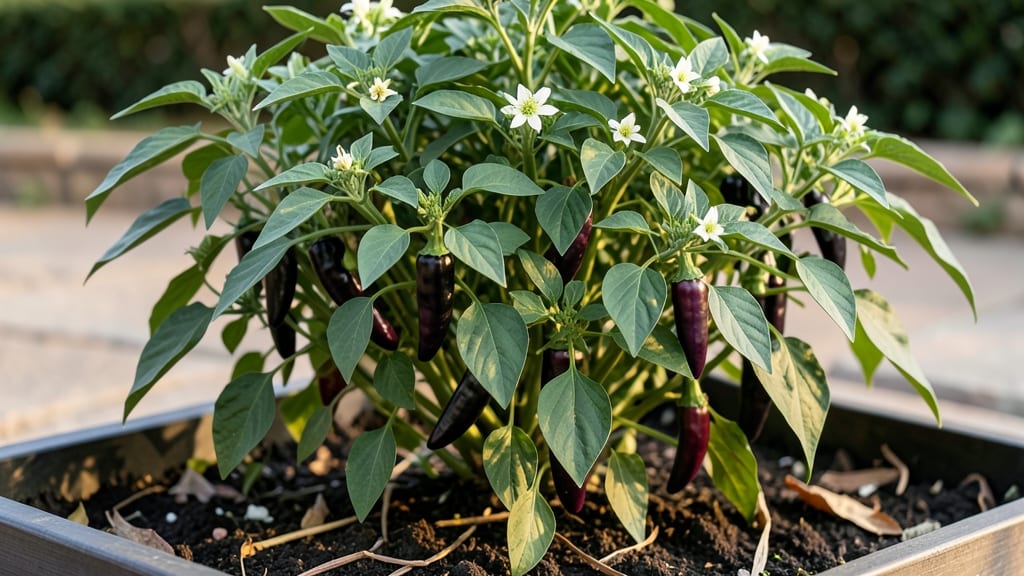
Gypsy peppers grow to a mature height of 3 to 4 feet 🌶️, making them a striking but manageable size for most home gardens.
If you're dreaming of a bountiful pepper garden but wondering whether Gypsy peppers will tower over your patio or stay neatly contained, you're in the right place. These striking peppers pack heat and height—sometimes reaching surprising dimensions that can catch even seasoned gardeners off guard.
Understanding their size is key to planning your garden layout, whether you're working with raised beds, containers, or in-ground plots. Too little space, and they’ll sprawl; too much, and you’re wasting valuable real estate.
Below, I’ll break down the exact height ranges by variety, how growing conditions can influence their size, and practical tips to keep them at your desired height—without sacrificing yield or flavor.
Gypsy pepper height by variety: exact size ranges for popular types
When planning your garden, knowing how big do Gypsy peppers get is crucial for spacing and yield. These peppers are known for their striking colors and heat, but their mature size can vary dramatically by variety.
Whether you're working with 5-gallon containers or a spacious in-ground bed, understanding these dimensions will help you avoid overcrowding or wasted space. Let’s break down the exact height ranges for the most popular Gypsy pepper varieties.
Most Gypsy pepper varieties reach mature heights between 2 and 4 feet, but some can stretch taller with ideal growing conditions. For example, the classic 'Gypsy' pepper typically grows 3 to 4 feet tall, while 'Hungarian Wax' often tops out around 3 feet.
These differences matter when deciding whether to grow them in containers, raised beds, or directly in the ground.
Below, you’ll find a detailed comparison of mature heights, spread, and space requirements for six of the most popular Gypsy pepper varieties. This will help you visualize how they’ll fit into your garden layout and whether they’ll need support like stakes or trellises.
The 'Jupiter' and 'Gypsy Purple' varieties are the tallest, often reaching 4 feet or more with robust growth. If you’re growing these in containers, opt for 7-gallon pots or larger to accommodate their root systems and prevent stunted growth.
For in-ground planting, give them 24 inches of space between plants to ensure proper airflow and sunlight penetration.
On the shorter end, 'Gypsy Cherry' peppers stay compact at 2 to 3 feet tall, making them ideal for container gardening or small-space gardens. Their smaller size also means they can thrive in 3- to 5-gallon pots, perfect for balconies or patios.
Just ensure they get at least 6 hours of sunlight daily to prevent leggy growth.
If you’re growing multiple Gypsy pepper varieties together, plan for a mix of heights. For example, pairing 'Hungarian Wax' (3 ft) with 'Jupiter' (4 ft) will create a layered look in your garden. Use cage supports or trellises for taller varieties to keep them upright and make harvesting easier.
For container gardening, choose larger pots for taller varieties like 'Jupiter' or 'Gypsy Purple' to prevent root binding. Smaller pots can work for dwarf varieties, but they’ll need more frequent watering and may produce fewer peppers.
Always use well-draining soil and add a slow-release fertilizer to support steady growth.
One common mistake is underestimating the spread of Gypsy peppers. Even compact varieties like 'Gypsy Cherry' can spread 1.5 to 2 feet, so avoid planting them too close to edges or other plants.
If space is limited, consider pruning side shoots to control spread while encouraging upward growth for better pepper production.
Pro tip: If you’re growing Gypsy peppers in raised beds, aim for 18 to 24 inches of spacing between plants, depending on the variety. This gives roots room to expand and reduces competition for nutrients.
Mulch around the base to retain moisture and suppress weeds, which is especially important for taller varieties that can shade the soil.
Remember, these height ranges are for ideal growing conditions. If your plants receive less sunlight or nutrients, they may grow shorter or become leggy. Conversely, over-fertilizing can lead to excessive leafy growth at the expense of peppers. Balance is key for healthy, productive plants.
How growing conditions affect Gypsy pepper size: sun, soil, and pruning secrets
Gypsy peppers thrive when given the right growing conditions, but their final height can vary dramatically based on sunlight, soil quality, and how you prune them. I’ve seen these plants stretch to 4 feet tall in ideal conditions, while others stay compact at just 2 feet with proper care.
The key is understanding how each factor influences their growth—and how to control it when space is limited.
Sunlight is the biggest game-changer. Full sun exposure (6+ hours daily) fuels rapid vertical growth, while partial shade can stunt height but may reduce fruit production. Soil fertility also plays a role—nutrient-rich soil encourages bushier growth, while poor soil leads to leggy, weak stems.
Pruning, when done correctly, can keep plants manageable or even encourage them to grow taller for better air circulation.
Here’s how each factor impacts your Gypsy pepper’s height—and what you can do to shape their growth:
How to Control Gypsy Pepper Height
- 🌞 Full Sun (6+ hours): Boosts height to 3-4 feet but may require staking. Ideal for bushy, productive plants.
- 🌿 Partial Shade (3-6 hours): Limits height to 2-3 feet, but peppers may be smaller and fewer.
- 🌱 Rich, Well-Draining Soil: Encourages compact, bushier growth (prune to control height). Poor soil = leggy, weak stems.
- ✂️ Pruning Tips: Pinch back top growth early to reduce height by 20-30%. Leave side branches for bushier plants.
- 🪴 Staking or Trellising: Supports tall varieties (up to 4 feet) and improves air flow, reducing disease risk.
If you’re growing Gypsy peppers in containers, choose smaller varieties or prune aggressively to keep them under 2.5 feet. I’ve had success with the ‘Hungarian Wax’ variety in 5-gallon pots—just make sure to fertilize regularly to compensate for limited root space.
For in-ground planting, space plants 18-24 inches apart to give them room to grow without overcrowding.
Pruning isn’t just about height control—it’s also about fruit production. When I prune my Gypsy peppers, I focus on removing suckers (the small shoots in the leaf axils) to direct energy toward larger peppers.
This technique can reduce height by up to 1 foot while increasing yield. Just avoid heavy pruning late in the season, as it can delay ripening.
For gardeners with limited space, consider trellising. Training Gypsy peppers vertically not only saves space but also improves airflow, reducing the risk of fungal diseases. I’ve seen ‘Jupiter’ peppers reach 4 feet tall on a trellis while producing more peppers than their bushy counterparts.
Use soft ties or fabric strips to avoid damaging the stems as they grow.
Remember, Gypsy peppers are perennial in warm climates, so their growth habits can change yearly. If you live in a cooler zone, treat them as annuals and adjust pruning accordingly.
The goal is to balance height, yield, and space—whether you’re growing them in a backyard bed, raised planter, or even a large container on your patio.