
Picking
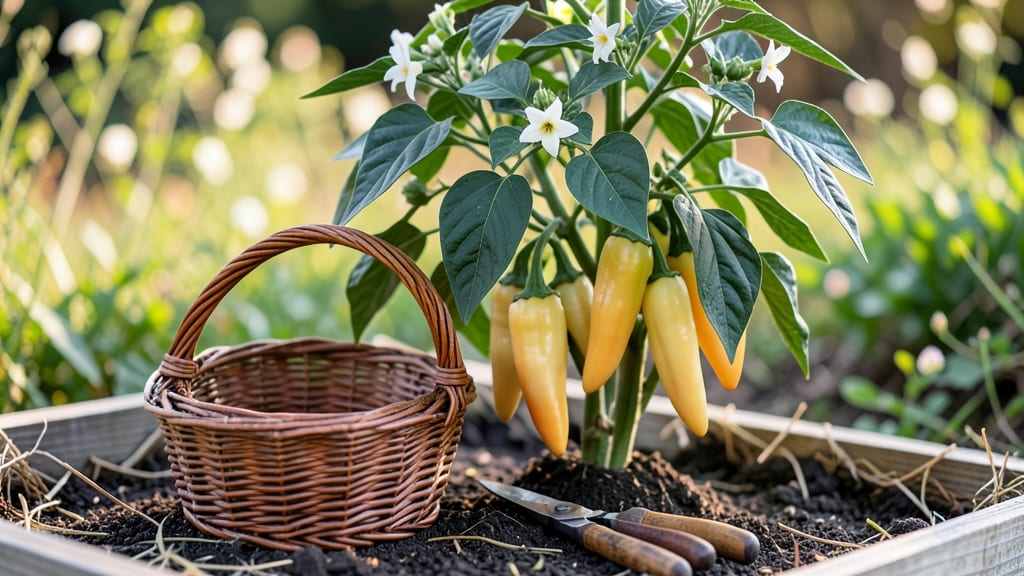
Banana peppers should be picked when they turn from green to yellow, orange, or red 🌶️ — but timing them right makes all the difference in flavor and texture.
Picture this: you’ve waited months for your homegrown peppers, only to pluck them too early and end up with bland, underripe pods. Or worse, you leave them too long, and the sweetness turns sharp.
The color isn’t the only clue—firmness, size, and even the way they snap off the vine all play a role.
In USDA Zone 6a, where summers stretch from August to October, the heat and sunlight speed up ripening. That means a pepper that’s perfect to pick in early August might be overripe by September if you’re not paying attention. Knowing the exact cues saves you from wasting a harvest.
Below, I’ll break down the color-coded ripeness stages, how to test firmness like a pro, and when to store (or use) your peppers for peak flavor. No more guessing—just perfect, homegrown heat.


Banana pepper ripeness stages by color: what each shade means
Banana peppers are one of the most rewarding plants to grow because they change color dramatically as they ripen. Each color stage signals a different flavor profile and heat level, so knowing when to pick makes all the difference.
If you harvest too early, you’ll get a bitter, underripe pepper, while waiting too long can turn sweet peppers into spicy ones. Let’s break down what each color transition means for your harvest.
First, the green stage is where most banana peppers start. These are unripe and typically milder in flavor but can also be more bitter if picked too young. Some gardeners prefer green banana peppers for pickling, but they won’t have the same sweetness as their fully ripened counterparts.
If you’re growing for fresh eating or sweet dishes, it’s best to wait for the color to change.
| Stage | Color | Size | Flavor | Heat Level | Best For |
|---|---|---|---|---|---|
| Green | 🟢 | 2-3 inches | Mild, grassy | Low | Pickling, stir-fries |
| Yellow | 🟡 | 3-4 inches | Sweet, fruity | Very low | Fresh salads, roasting |
| Orange | 🟠 | 3-4 inches | Sweet, slightly tangy | Low | Stuffing, sautéing |
| Red | 🔴 | 3-5 inches | Sweet, rich | Mild | Roasting, drying |
The yellow stage is where banana peppers truly shine. This is the peak sweetness window, and the heat level is almost nonexistent. Yellow banana peppers are perfect for fresh salads or raw dishes where you want that bright, crisp flavor.
If you’re growing for home cooking, this is often the best stage to pick. Just be sure the entire pepper is yellow—even a hint of green means it’s not fully ripe yet.
Next comes the orange stage, which adds a slight tangy note to the sweetness. Orange banana peppers are slightly firmer than yellow ones and hold up better to cooking methods like roasting or stuffing.
The heat level remains low, but the flavor deepens, making them ideal for dishes where you want a balanced sweetness. If you’re growing for long-term storage, orange peppers are a great choice because they stay fresh longer than yellow ones.
Finally, the red stage is where banana peppers reach their richest flavor. Red peppers are sweeter and more complex than their yellow or orange counterparts, with a slightly spicy kick that’s still mild. They’re perfect for roasting, drying, or making powders because their flavor intensifies when cooked.
If you’re growing for long-term use, red peppers are the best option—they’ll keep well and develop even more depth of flavor over time.
One common mistake is assuming all banana peppers ripen to the same color. Some varieties stay yellow, while others turn orange or red. Always check the plant label or seed packet to know what to expect.
If you’re unsure, let the pepper ripen fully before picking—you can always harvest later, but you can’t unripe a pepper once it’s picked too early.
Temperature also plays a role in ripening. Cooler fall nights can slow down color change, so if you’re in a Zone 6a climate, expect ripening to take longer in September and October
How to test banana pepper ripeness beyond color: tactile and taste methods
Color alone isn't always the best indicator of banana pepper ripeness. Environmental factors like temperature swings and sunlight exposure can delay or speed up ripening, while physical tests reveal hidden maturity clues.
I’ve learned that combining tactile checks with taste sampling gives the most accurate harvest timing—especially when peppers seem stuck between stages.
First, consider your climate zone. In hotter regions (Zones 8-10), banana peppers often ripen faster due to prolonged sunlight, while cooler zones (6-7) may see slower color changes.
I’ve noticed my Zone 7 garden peppers take 10-14 extra days to reach full yellow compared to my friend’s Zone 9 plants. Adjust your expectations based on your local heat and daylight hours.
🔴 ⚠️ CAUTION: Overripe vs. Perfectly Ripe ⚠️
Start with a gentle squeeze test. Press a pepper lightly between your thumb and forefinger—ripe peppers yield slightly but don’t dent deeply. If it feels rock-hard, it’s underripe; if it’s mushy or leaves fingerprints, it’s overripe.
I also check the stem separation point: Gently twist the pepper at its base. A clean snap means it’s ready; a tough pull means it needs more time.
Taste is the ultimate test, but use it sparingly to avoid damaging unripe peppers. Cut a small 1-inch section from the pepper’s tip and taste it raw. Fully ripe peppers should taste sweet with a mild kick, while underripe ones taste sharp and grassy.
Pro tip: Morning harvests often yield the freshest flavor, as peppers absorb overnight moisture that can dilute taste slightly.
Watch for environmental cues too. Peppers ripen faster in direct sunlight (6+ hours/day) and slower in shady spots. If your plants are in partial shade, they may stay green longer.
I’ve also noticed that temperature drops below 60°F can pause ripening entirely—so if your peppers stall in fall weather, consider harvesting early and ripening indoors.
For indoor ripening, place peppers in a paper bag with an apple (the ethylene gas speeds up ripening) and store them at room temperature. Check them daily—they’ll soften slightly and develop full flavor in 3-5 days.
But remember: Never refrigerate until fully ripe, as cold temperatures turn peppers mealy and lose sweetness.