
Picking
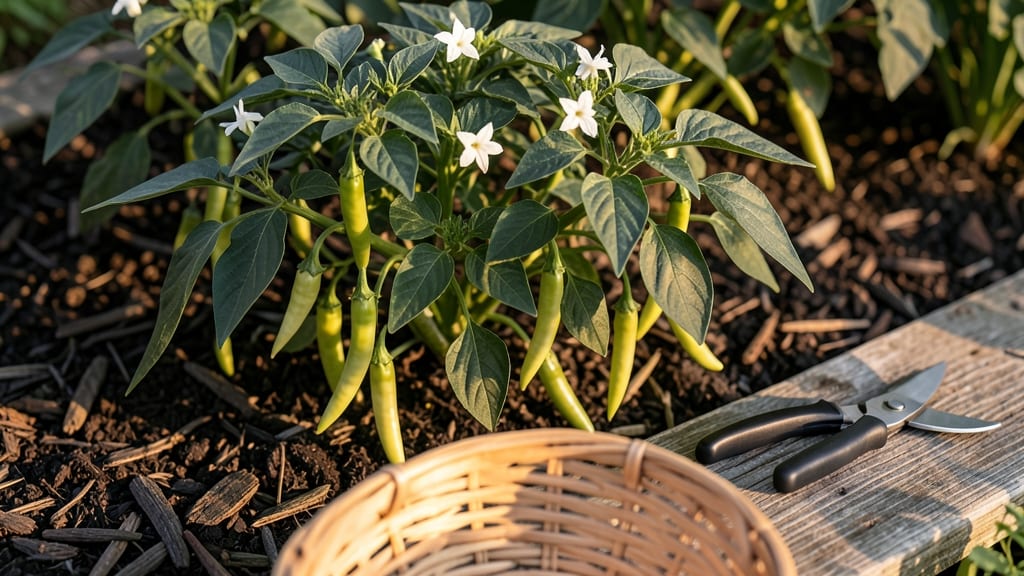
Pepperoncini peppers are ready to pick when they reach 2-3 inches and turn a deep, glossy green 🌶️ — a moment that separates a great harvest from a bitter disappointment.
Picture this: you’ve nurtured your plants all season, and now the question looms — will these tiny peppers deliver the crisp, tangy flavor you crave, or will they turn rubbery and overripe? The answer lies in three simple visual cues that most gardeners miss.
Harvesting at the right stage isn’t just about timing; it’s about texture, color, and even the way the pepper yields to gentle pressure. Get it wrong, and you’ll end up with peppers that are too mild for pickling or too tough for fresh eating.
But nail it, and you’ll have a pantry stocked with peppers that burst with flavor.
Below, I’ll walk you through the exact signs to watch for, how to tell green from red pepperoncini readiness, and why picking early (or late) can make all the difference in your kitchen.

3 Visual cues pepperoncini peppers show when they’re ready to harvest
Picking pepperoncini peppers at the right moment transforms your harvest from bland to brilliant. These tiny but mighty peppers reveal three clear visual cues that signal peak ripeness. Ignoring these signs can lead to peppers that are too soft, bitter, or past their prime.
Whether you're growing them for fresh snacking or pickling, timing is everything for that perfect crisp texture and bright flavor.
First-time growers often struggle to distinguish between "just right" and "too late." The good news? Pepperoncini peppers are forgiving when harvested at the correct stage. Unlike some peppers that continue ripening off the vine, pepperoncini reach their ideal flavor window quickly.
Missing it means peppers that become mealy, wrinkled, or develop an unpleasant bitter aftertaste. Let's break down the three key indicators that tell you "it's harvest time!"
Perfect Size: 2-3 Inches Long
Mature pepperoncini should measure 2-3 inches in length. Use a ruler or compare to your thumb for reference. Smaller peppers are still growing, while larger ones may be overripe.
Deep Green Color: No Yellowing
Look for a uniform deep green hue. Any yellowing or brown spots mean the pepper has started to overripe. Green pepperoncini should be vibrant, not dull.
Firm Texture: Slight Give When Pressed
Gently press the pepper—it should feel firm but slightly yielding, like a ripe avocado. Overripe peppers become soft and wrinkled, while underripe ones feel rock-hard.
For green pepperoncini, these cues are your golden ticket to the best flavor. But what if you're waiting for them to turn red? Red pepperoncini develop a sweeter, milder taste but require even more precise timing.
The skin will turn a vibrant red-orange, and the flesh becomes slightly softer. However, they lose their signature crunch, making them better suited for cooking than pickling.
Pro tip: Harvest in the morning when peppers are cool and crisp. This is when their flavor compounds are at their peak. Use clean, sharp pruning shears or scissors to snip the stem, leaving a small portion attached. This prevents damage to the plant and encourages more peppers to develop.
If you're growing pepperoncini for pickling, aim to harvest when they're still firm and green. Overripe peppers become mushy and lose their signature tang. For fresh eating, you can wait slightly longer for a deeper flavor, but don't let them turn yellow or wrinkled.
The key is balance—harvest when the peppers meet all three visual cues for the best results.
One common mistake is waiting too long for red pepperoncini. While they look stunning, their texture softens significantly, making them less ideal for pickling. Save the red ones for sauces, stir-fries, or roasting where their sweeter flavor shines.
Green pepperoncini, on the other hand, are the stars of brine-cured jars and fresh snacking.
Pay attention to the stem too—it should snap cleanly when bent. If it resists, the pepper isn't ready. This simple test saves you from picking peppers that are still growing. Once you master these visual cues, you'll never second-guess your pepperoncini harvest again.
Store freshly picked pepperoncini in the fridge for up to two weeks. For long-term storage, pickle them within 48 hours of harvest to lock in that perfect crunch and tang. With these cues in mind, your garden will be overflowing with flavor-packed pepperoncini all season long!
Green vs. red pepperoncini: which stage offers the best flavor?
Pepperoncini peppers are a gardener's delight, offering a unique balance of tangy sweetness and mild heat. But did you know their flavor profile shifts dramatically as they ripen? Green pepperoncini are crisp and bright, while red varieties develop a sweeter, fruitier taste.
Understanding these differences helps you decide when to harvest for fresh eating or pickling projects.
The key difference lies in their ripeness stage. Green pepperoncini are harvested early, locking in a crisp texture and tart flavor perfect for pickling. Red pepperoncini, left on the vine longer, soften slightly and develop a sweeter, almost fruity taste.
For home gardeners, this means timing matters more than you might think!
- Crisp texture ideal for pickling
- Tart, bright flavor perfect for salads
- Harvests earlier in growing season
- Less sweet than red varieties
- Higher heat level (2,500-5,000 SHU)
- Sweeter, fruitier flavor profile
- Lower heat (1,000-2,500 SHU)
- Softer texture great for roasting
- Less crisp than green varieties
- Requires longer on vine for ripening
For pickling, green pepperoncini are the clear winner. Their firm texture and tartness hold up beautifully in brine, maintaining their signature crunch. I always harvest mine when they reach 2-3 inches long and have a deep green, glossy skin.
This typically happens 60-75 days after transplanting, depending on your climate.
If you're aiming for fresh eating or roasting, red pepperoncini deliver a richer, more complex flavor. They develop a slightly softer texture and a sweeter taste, making them perfect for grilling or stuffing. Wait until they turn a vibrant red before harvesting—usually 75-90 days after planting.
Heat levels also play a role in your decision. Green pepperoncini pack a spicier punch (around 2,500-5,000 SHU), while red varieties mellow out to 1,000-2,500 SHU. For milder dishes, red is the way to go. For bold flavors, green peppers shine in marinades or spicy sauces.
Pro tip: If you want both flavors, harvest some green peppers early for pickling, then let others ripen fully for fresh use. This dual-harvest strategy maximizes your pepperoncini's potential and extends your harvest season. Just be sure to leave at least one pepper per plant to ripen fully for seeds!