
How To
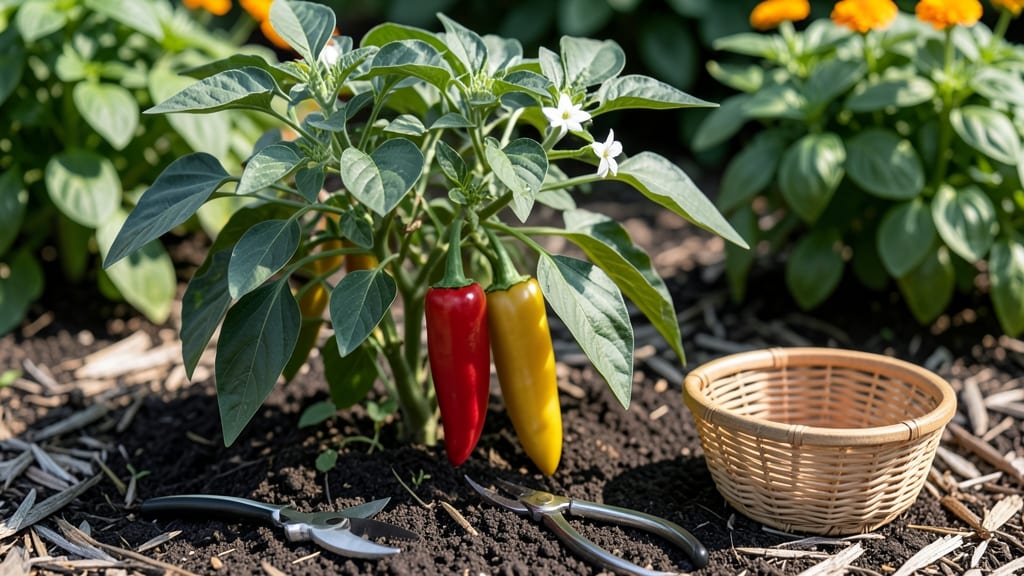
Picking Gypsy Sweet peppers at the right time unlocks their signature sweetness—wait too long, and you miss the flavor window entirely.
Most gardeners assume color alone determines ripeness, but a slight give when pressed and a sweet aroma at the stem are the real clues. Ignore these, and you’ll end up with peppers that taste more like water than the bold, fruity sweetness they’re known for.
In this guide, I’ll break down the exact color stages from green to red, how size and firmness change as they ripen, and why your local climate can shift the perfect harvest window by two weeks or more.
You’ll also learn how to store your harvest to keep that sweetness for weeks—no more bitter surprises when you finally decide to pick.


Gypsy Sweet pepper ripeness guide: color stages from green to perfect red
Gypsy Sweet peppers transform through three distinct color stages—each marking a shift in flavor, texture, and sweetness. Understanding these stages helps you harvest at peak ripeness, avoiding the bitter disappointment of picking too early or too late.
The journey begins with bright green and ends with a deep, vibrant red, passing through a golden yellow transition that’s often overlooked but crucial.
The days-to-maturity for Gypsy Sweet peppers typically ranges from 75 to 90 days after transplanting, but color cues are your best guide. Early harvests (green stage) yield milder, crunchier peppers, while fully ripe red peppers deliver the sweetest, most complex flavors.
Missing the window? Don’t worry—we’ll cover how to salvage underripe or overripe peppers later in this guide.
| Stage | Color | Flavor Profile | Texture | Days to Harvest | Best For |
|---|---|---|---|---|---|
| Green | Bright green | Mild, slightly tangy | Crisp, firm | 60-75 days | Pickling, stir-fries |
| Yellow | Golden yellow | Sweet, fruity | Slightly softer | 75-85 days | Raw eating, salads |
| Red | Deep red | Intensely sweet | Tender, slightly leathery | 85-90+ days | Roasting, stuffing |
The green stage is where most gardeners make their first mistake—harvesting too early for full sweetness. These peppers are crisp and tangy, perfect for pickling or quick cooking, but lack the deep sugar development of later stages.
If you’re growing Gypsy Sweet peppers for raw eating, wait at least until the yellow stage, where flavors become noticeably sweeter and more complex.
Transitioning to yellow, your peppers signal a flavor explosion. This stage is often skipped by home gardeners, but it’s where the natural sugars peak before the pepper shifts to red.
The skin softens slightly, and the pepper emits a faint sweet aroma near the stem—your cue to harvest soon. Yellow Gypsy Sweet peppers are ideal for raw snacks or light salads, offering a balanced sweetness that’s less intense than red but far superior to green.
Finally, the red stage delivers the ultimate reward: a pepper bursting with intense sweetness and a rich, complex flavor. At this point, the skin may feel slightly leathery but still firm, and the color should be uniformly deep red without green or yellow patches.
Red Gypsy Sweet peppers are best for roasting, stuffing, or slow-cooking, as their sugar content caramelizes beautifully. Pro tip: Harvest in the morning when flavors are at their peak.
Regional climates play a critical role in ripening timelines. In hot, dry climates, Gypsy Sweet peppers may mature faster (70-80 days), while cooler or cloudy regions could extend the process to 90+ days.
If your season is short, prioritize yellow-stage harvests to enjoy sweet peppers before frost. For extended harvests, choose disease-resistant varieties and use row covers to protect plants from early cold snaps.
One common misconception is that all red peppers are equally sweet. While Gypsy Sweet peppers are bred for high sugar content, their sweetness can decline if left too long on the plant. Overripe peppers may develop a mealy texture or bitter notes, especially in humid conditions.
To avoid this, monitor your peppers closely and harvest when the color is fully vibrant and the stem separates cleanly with a gentle twist.
For container gardeners, ripening times may vary slightly due to limited root space and temperature fluctuations. If your Gypsy Sweet peppers are growing in pots, ensure they’re in at least 5-gallon containers and placed in full sun.
Container-grown peppers often ripen 1-2 weeks slower than in-ground plants, so start seeds 2-3 weeks earlier to align with your local frost dates.
To maximize your harvest, prune excess flowers early in the season to encourage larger peppers. Focus on
How to test Gypsy Sweet pepper ripeness beyond color
Color is just the first clue—Gypsy Sweet peppers reveal their true ripeness through subtle size cues and texture changes most gardeners miss. Even when peppers turn red, they might still need 3-5 more days to reach peak sweetness.
I’ve learned the hard way that picking too early means bland, underripe flavors, while waiting too long risks overripe, mealy peppers.
Start by measuring your pepper against your thumb—mature Gypsy Sweet peppers should be about 3-4 inches long and 2 inches wide. Smaller peppers may look red but taste grassy. The stem separation test is my favorite trick: gently twist the pepper at the stem.
If it separates cleanly with just a slight tug, it’s ready. If the stem resists or breaks off, wait 2-3 more days.
Don’t overlook the skin firmness test. Press your thumbnail into the pepper’s side—ripe peppers yield slightly under pressure (like a ripe avocado) but don’t dent permanently. Overripe peppers feel soft or leathery, while underripe ones feel rock-hard.
Pro tip: The squeeze test also reveals sweetness potential—squeeze gently near the stem. If you detect a sweet, fruity aroma, it’s harvest-ready.
⚠️ Common Mistake: Picking by Color Alone
Gypsy Sweet peppers often turn red before reaching full sweetness. Relying solely on color leads to 30% more underripe peppers in my garden. Always combine color with size, stem test, and aroma for perfect ripeness.
Watch for color consistency too—ripe peppers should be uniformly colored with no green patches near the stem. A yellow shoulder (where the pepper meets the plant) is another sign of readiness.
I’ve found that peppers left on the vine too long develop white streaks or wrinkled skin, which means they’ve passed their prime.
Morning is the best time to check ripeness because peppers are cool and firm after overnight cooling. Avoid harvesting after hot afternoons when peppers may feel softer than they are. For container-grown peppers, gently shake the plant first—ripe peppers often fall off easily when fully mature.
Remember: Sweetness peaks when peppers are 75-90 days old (depending on your climate). In cooler zones, they may take longer to ripen fully. If frost threatens before peppers ripen, harvest green but firm peppers—they’ll ripen indoors with proper care.