
Picking
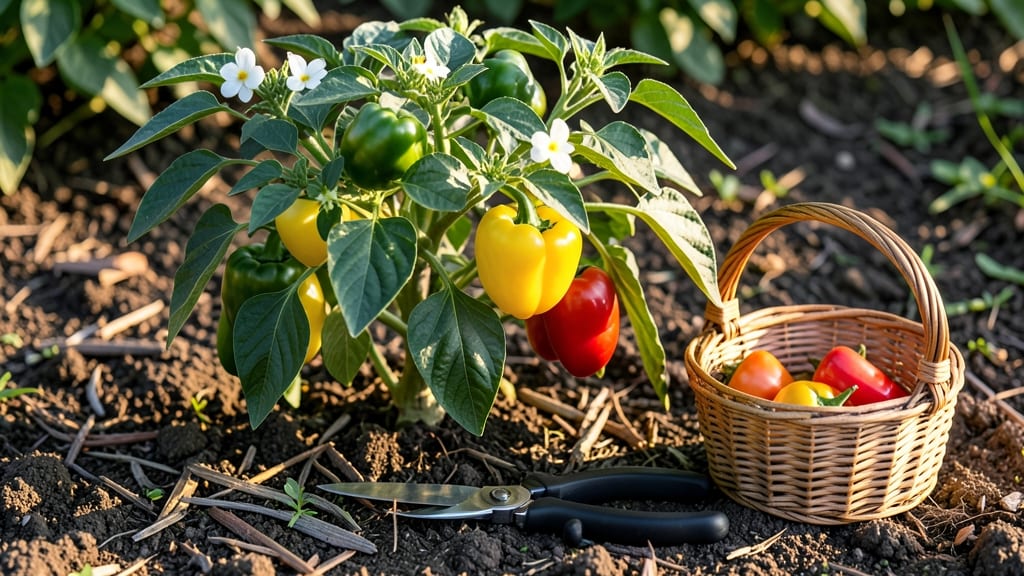
Telling when peppers are ready to pick means checking three key things: color, size, and a gentle squeeze—because one wrong move can turn a sweet harvest into a meal of bland disappointment.
Picture this: you’ve been watching your 🌶️ bell peppers grow all summer, but how do you know they’re truly ready? Grab one and give it a little twist—if it snaps easily at the stem, that’s your cue.
But skip this step, and you might end up with peppers that are either too tough or past their prime.
Color is the easiest clue, but it’s not as simple as "red means go." Green peppers mature to yellow, orange, or red depending on the variety, and each stage brings a different flavor.
Meanwhile, size matters too—bell peppers should be at least 3-4 inches long before you pick them, but don’t wait until they’re giant and rubbery.
Below, I’ll break down the exact visual and touch tests you need, plus what happens if you pick too early (or too late). You’ll leave here knowing exactly when to snip—and how to salvage any mistakes along the way.

Peppers ready to pick: the 3 key signs (color, size & texture)
There's nothing quite like the thrill of harvesting your first homegrown pepper—except maybe the disappointment of picking one too early! The good news is that peppers give clear signals when they're ready.
I've learned through years of gardening that mastering these 3 key signs will transform your harvest from hit-or-miss to consistently delicious. Let's break down what to look for so you never miss the perfect moment again.
First, let's talk about color changes, which are often the most obvious sign. Different pepper varieties mature at different colors, but there's a universal principle: the deeper and more vibrant the color, the sweeter and more flavorful the pepper.
For example, bell peppers start green but mature to red, yellow, or purple—each stage offering different flavor profiles. Hot peppers like jalapeños and habaneros follow similar color progression patterns that indicate ripeness.
Color isn't the only indicator—size matters too. Each pepper variety has its own mature size range, and harvesting before reaching these dimensions means underdeveloped flavor. For instance, bell peppers typically reach 3-4 inches in length when ready, while banana peppers stay smaller at about 2-3 inches.
Jalapeños usually mature to 2-3 inches long. Checking against these size benchmarks ensures you're harvesting at peak readiness.
Now for the tactile test: texture and firmness. A ripe pepper should feel firm but yield slightly when gently squeezed with your fingertips. This slight give indicates the pepper's sugars have fully developed. If it feels rock-hard or mushy, it's not ready yet.
Also, check how easily the pepper separates from the stem—when ready, it should twist off cleanly with minimal resistance. This simple touch test saves countless underripe peppers from ending up in the compost bin.
| Pepper Type | Ready Color | Mature Size | Texture Test | Stem Sign |
|---|---|---|---|---|
| Bell Pepper | Red, yellow, orange, purple | 3-4 inches long | Firm with slight give | Brown/yellow stem |
| Jalapeño | Green to red | 2-3 inches long | Slightly soft when ripe | Dries at stem base |
| Banana Pepper | Green to yellow | 2-3 inches long | Firm and glossy | Brown stem attachment |
| Habanero | Orange, red, or yellow | 1-2 inches long | Slightly wrinkled | Stem pulls easily |
| Poblano | Green to dark green | 4-6 inches long | Firm with slight softness | Stem dries completely |
One common mistake I see gardeners make is harvesting peppers based solely on color. For example, some varieties like jalapeños can stay green even when fully ripe, while others like bell peppers might turn color before reaching full flavor development.
That's why combining all three signs—color, size, and texture—gives you the most accurate picture of ripeness. Pro tip: Keep a small notebook nearby to track which varieties mature fastest in your climate.
Let's talk about hot peppers specifically, as they often have different readiness cues. Many hot peppers like habaneros and ghost peppers develop their signature colors (orange, red, or yellow) when fully ripe, but their heat level actually increases as they mature.
This means waiting for full color development often results in the spiciest, most flavorful harvest. For these varieties, pay extra attention to the wrinkling of the skin, which is a classic sign of ripeness in many hot peppers.
Another pro technique I've picked up is the "twist test". When you gently twist a pepper at its stem, a ripe one will separate cleanly with just a slight resistance. If the stem snaps off cleanly but the pepper itself feels underdeveloped, it's not ready yet.
This test works particularly well for poblano and banana peppers, which can sometimes fool you with their early color changes. Always combine this test with the visual and size checks for the most reliable results.
Timing your harvests properly also affects the plant's productivity. When you pick peppers at the right moment, you encourage the plant to produce more flowers and fruits. I've noticed that consistent harvesting throughout the season leads to a longer production window.
For example, if you're growing bell peppers, harvesting the first ripe ones prompts the plant to set new flowers, potentially extending your harvest by several weeks. This is especially valuable in shorter growing seasons.
Don't forget that some peppers are best harvested at different stages for different uses. For instance, green bell peppers are often picked before they fully mature for use in cooking, while allowing them to ripen to red or yellow enhances their sweetness for fresh eating.
Similarly, jalapeños can be harvested green for milder flavor or left to turn red for increased heat. Understanding these variety-specific preferences ensures you get the most out of your pepper plants all season long.
As you gain experience, you'll start recognizing subtle differences between varieties that even the most detailed guides might miss. For example, some hot peppers develop a slight glossiness when fully ripe, while others become slightly wrinkled.
Paying attention to these nuances will make you a pepper-picking expert in no time. And remember, every garden is unique—what works perfectly in my Zone 7a garden might need slight adjustments for your climate. Happy harvesting!
Peppers ripening too slow? 5 Pro tips to speed up harvest time
If your pepper plants are struggling to ripen, don't panic—there are simple fixes to jumpstart production. Many gardeners face this issue when environmental factors like light or water aren't quite right.
The good news? With a few targeted adjustments, you can accelerate ripening and enjoy your harvest sooner than you think.
First, let's address the most common culprit: insufficient sunlight. Peppers need 6-8 hours of direct sun daily to ripen properly. If your plants are in partial shade, consider moving them to a sunnier spot or using reflective surfaces like white mulch or mirrors to bounce light onto the plants.
- 🌞 Boost sunlight by moving plants to sunnier spots or using reflective surfaces
- 💧 Water deeply 1-2 inches weekly, focusing on soil moisture, not foliage
- 🌱 Use balanced fertilizer (10-10-10) every 4-6 weeks during growing season
- 🌡️ Maintain temps between 70-85°F—use shade cloth if needed during heatwaves
- ✂️ Prune strategically to improve air circulation and focus energy on fruit
Next, let's talk watering techniques. Many gardeners overwater, which can actually delay ripening by causing blossom end rot or diluting soil nutrients. Instead, aim for 1-2 inches of water weekly, delivered directly to the soil.
Use drip irrigation or soaker hoses to keep foliage dry and prevent fungal issues that can stress your plants.
Another game-changer is fertilizer timing. Too much nitrogen early in the season leads to leafy growth at the expense of fruit production. Switch to a balanced fertilizer (like 10-10-10) when you see flower buds forming.
Apply it in the morning so plants have time to absorb nutrients before evening moisture sets in.
Don't overlook the power of temperature control. Peppers ripen best between 70-85°F. If your summer heat exceeds 90°F, provide afternoon shade to prevent stress. For cooler climates, consider using row covers or even moving potted plants indoors during cold snaps to protect developing fruit.
Finally, pruning techniques can make a surprising difference. Remove any suckers (side shoots) that form in the junction between the main stem and branches. This redirects the plant's energy toward existing fruit rather than new growth.
Just be sure to leave the first few leaves below the pepper to maintain photosynthesis.
With these 5 pro tips, you'll be well on your way to a bountiful pepper harvest. Remember, every garden is different—keep a journal to track what works best in your specific conditions. Happy growing!