
Picking
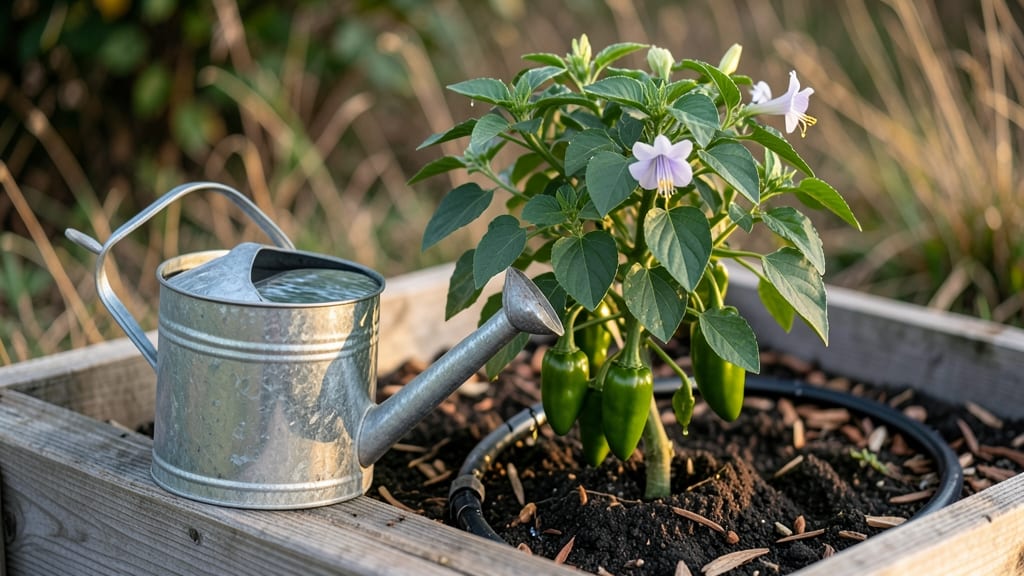
Mastering how to water jalapeno peppers means the difference between spicy success and bitter disappointment. 🌶️ I’ve grown these fiery plants for years, and the key isn’t just how much you water—it’s when and how you do it, especially in hot climates where peppers demand extra care.
Too much water dilutes the heat; too little stunts growth. The secret lies in consistency, soil moisture checks, and adjusting for your local heat zone.
Start by watering deeply but infrequently—about 1-1.5 inches per week—letting the top inch of soil dry out between sessions. In containers, this means watering every 2-3 days in summer, while in-ground plants may need watering every 4-5 days.
Use a moisture meter or stick your finger in the soil: if it’s dry below the surface, it’s time to water. Mulch helps retain moisture, reducing evaporation in scorching afternoons.
Watch for signs of stress: wilting leaves mean underwatering, while yellowing or mushy stems signal overwatering. Rainwater is ideal, but if you use tap water, let it sit for 24 hours to reduce chlorine.
In humid climates, cut back slightly to avoid fungal issues. With the right balance, your peppers will thrive, producing bold, heat-packed fruits all season long.
Containers dry out faster, so check them daily in extreme heat. In-ground plants need deeper watering to encourage strong root systems. Adjust based on weather—afternoon showers mean holding off until morning. The goal? Steady moisture without soggy soil, ensuring every jalapeno packs maximum fire.
📚 In This Guide
- What you need
- Instructions
- Tips and common mistakes
- Wrapping up and next steps
What you need
- ● Jalapeno pepper plants: 3–5 healthy seedlings or transplants (choose disease-resistant varieties for best results).
- ● Well-draining potting mix: 1–2 bags (look for a blend labeled for vegetables or peppers).
- ● Containers or garden bed: For containers: 5–10 gallon pots (at least 12 inches deep) with drainage holes.
- ● For garden beds: Loose, fertile soil with a pH of 6.0–7.0.
- ● Watering can or hose with a gentle spray nozzle: A 1–2 gallon can works well for containers.
- ○ Drip irrigation kit (optional but helpful): For consistent moisture, especially in larger gardens.
- ● Mulch (straw, wood chips, or shredded leaves): 2–3 inches to retain moisture and suppress weeds.
- ● Trowel or small shovel: For transplanting or loosening soil.
- ○ Moisture meter (optional): To check soil moisture levels (aim for 60–70% humidity in the root zone).
- ● Fertilizer (balanced or pepper-specific): 10–10–10 or 5–10–10 NPK ratio (follow package instructions).
- ● Pruning shears: For trimming excess foliage to improve airflow.
- ○ Rain gauge (optional): To track natural rainfall and adjust watering accordingly.
Step-by-Step guide to watering jalapeno peppers for optimal heat
Mastering watering is the secret to juicy, fiery jalapeños—here’s how to keep your plants thriving.
💧 Step 1: Establish a Consistent Watering Schedule
Jalapeños need 1-1.5 inches of water per week, but timing matters more than quantity. Water deeply twice weekly during active growth (spring to early summer) and reduce to once weekly as fruits form. The key is even moisture—never let the soil dry out completely, but avoid soggy roots, which invite rot.
Check soil moisture by sticking your finger 1-2 inches deep. If it feels dry, water thoroughly until liquid runs from the drainage hole. Morning watering prevents fungal issues by letting foliage dry before nightfall. I use a soaker hose for even distribution—it keeps water off leaves while delivering moisture right to the roots.
☀️ Step 2: Adjust for Heat and Humidity
Jalapeños thrive in 75-85°F but struggle in extreme heat. During 90°F+ days, increase watering to every 2-3 days—the soil dries faster, and shallow roots can’t keep up. Watch for wilting leaves (a sign of thirst) or yellowing (overwatering). Mulch with 2-3 inches of straw to retain moisture and regulate soil temperature.
Humidity complicates things: In high-humidity zones, reduce watering slightly to prevent blossom-end rot. If your area is dry, like the Southwest, water deeply every other day and monitor for drooping plants—a clear signal they need hydration. A moisture meter takes the guesswork out of it.
🌱 Step 3: Modify During Flowering and Fruiting
When buds form, reduce water slightly—too much can cause flowers to drop. Aim for 1 inch per week during flowering, then increase back to 1.5 inches once peppers appear. The goal is steady, not excessive, water to encourage sweet, spicy fruit development.
Here’s the trick: Water at the base, not overhead. Wet leaves attract pests and diseases, especially in humid climates. If you must water leaves (e.g., for dust removal), do it early in the day so foliage dries quickly. I’ve seen jalapeño plants go from thriving to wilted in days when watering habits shift—consistency is everything.
⏰ Step 4: Taper Off Before Harvest
As peppers mature, reduce watering by 20% to concentrate flavors. Stop watering 1-2 weeks before harvest to let the plant focus energy on fruit sweetness and heat. Overwatering at this stage dilutes spice levels and makes peppers watery.
Watch for ripe peppers turning red (or staying green, if you prefer milder heat). Harvest in the morning when flavors peak. If you’re drying peppers, water lightly 3 days before picking to ensure even drying—underwatered peppers shrivel, while overwatered ones mold.
Tips & tricks for perfect jalapeno pepper watering
Between us, the difference between vibrant, heat-packed jalapeños and sad, wilted plants often comes down to these simple but critical watering adjustments.
Soil Moisture Test: The finger-check method in Step 1 is foolproof, but here's the pro move: Press your finger in the soil to the second knuckle (about 1.5 inches deep) for a more accurate reading. The top inch can be misleadingly dry while deeper moisture remains. If the soil feels like a damp sponge at this depth, hold off on watering—your plants are telling you they're fine. Overwatering at this stage is the silent killer of jalapeño productivity.
Heat Zone Adaptation: When temperatures hit 90°F+, I've learned the hard way that simply increasing frequency isn't enough. The real secret is adjusting the volume: Give your plants a deeper watering every 2-3 days rather than light sprinkles. This mimics natural rainfall patterns and encourages deeper root growth, which is exactly what jalapeños need to handle the heat. Think of it like giving your plants a drink that reaches their roots rather than just wetting the surface.
Flowering Transition Trick: The shift from 1 inch to 1.5 inches during flowering (Step 3) can be tricky to time perfectly. Here's what I do: When you see the first flower buds appear, that's your cue to reduce to 1 inch per week. But here's the game-changer—measure your water by the plant's response, not just the calendar. If the soil stays moist but leaves show signs of stress (like curling), you're likely overdoing it. The goal is to keep the soil consistently moist, not soggy.
Harvest Prep: That 20% reduction before harvest (Step 4) might seem counterintuitive, but trust me on this—it's what transforms good jalapeños into exceptional ones. The key is to start this taper 2-3 weeks before your planned harvest date, not just 1-2 weeks. This gives the plant enough time to redirect its energy into flavor concentration. I've noticed that peppers allowed this gradual reduction develop a more complex heat profile, with that perfect balance of sweetness and spice that home gardeners dream about.
Pro Tips for Watering Jalapeno Peppers
- Between us, the difference between vibrant, heat-packed jalapeños and sad, wilted plants often comes down to these si...
- Soil Moisture Test: The finger-check method in Step 1 is foolproof, but here's the pro move: Press your finger in the...
- Heat Zone Adaptation: When temperatures hit 90°F+, I've learned the hard way that simply increasing frequency isn't e...
Frequently asked questions
Got questions about keeping your jalapeños thriving with the perfect watering routine?
You’re not alone! Here are some of the most common concerns—plus quick, actionable answers to keep your peppers happy and spicy.
How often should I water jalapeño peppers?
Water jalapeños deeply but infrequently—about 1 to 1.5 inches per week, adjusting for climate. Let the top 1–2 inches of soil dry out between waterings to prevent root rot. Hot, dry days? Check soil moisture daily and water in the early morning to reduce evaporation.
What’s the best time of day to water jalapeños?
Water in the morning (6–9 AM) to give roots time to absorb moisture before the heat of the day. Avoid evening watering—it promotes fungal diseases like blossom end rot or powdery mildew. Pro tip: Use a drip irrigation system or soaker hose to deliver water directly to the roots without wetting leaves.
Why are my jalapeño leaves turning yellow?
Yellow leaves usually mean overwatering or poor drainage. Check for soggy soil or wilting stems. Fix it: Adjust to a consistent watering schedule, improve drainage with perlite or sand, and ensure pots/containers have drainage holes. Underwatering? Look for crispy edges or drooping plants—water deeply and mulch to retain moisture.
Can I use rainwater or tap water for jalapeños?
Both work, but rainwater is ideal—it’s naturally soft and free of chlorine/fluoride. If using tap water, let it sit out for 24 hours to off-gas chemicals. Bonus: Collect rainwater in barrels for a free, nutrient-rich water source. Avoid hard water (high in minerals), which can build up salts in soil over time.
What if I forget to water my jalapeños during a heatwave?
Don’t panic! Jalapeños are drought-tolerant once established. If soil is dry, water deeply until it drains from the bottom. Prevent future stress: Mulch with straw or shredded leaves to lock in moisture. For container-grown peppers, move pots to a shadier spot temporarily to reduce water loss.
Should I water jalapeños differently when they’re fruiting?
Yes! During fruiting, keep soil consistently moist but not soggy. Key adjustments:
- Increase frequency slightly (every 2–3 days in extreme heat).
- Avoid wetting leaves to prevent disease.
- Use a balanced fertilizer (like 10-10-10) every 2–3 weeks for extra nutrients.
Wrapping up and next steps
Mastering the art of watering jalapeño peppers is your ticket to a bountiful, fiery harvest—and you’ve got the know-how! 🌱 From consistent soil moisture to heat-zone timing, these tips ensure your peppers thrive, whether you’re growing them in pots or garden beds. Stay patient, observe your plants, and soon you’ll be reaping spicy rewards!
Ready to take it further? Experiment with companion planting (like basil or marigolds) or try drying your jalapeños for homemade hot sauce. Your next spicy adventure starts now—grab your gloves and get growing! 🔥