
Planting
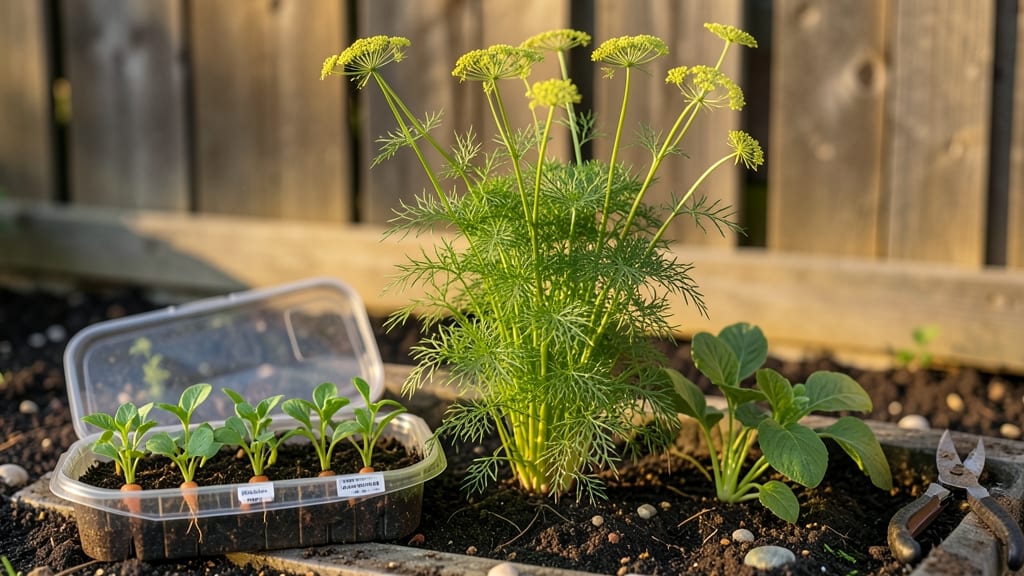
Carrots and peppers make an excellent companion planting pair, naturally repelling pests like aphids and carrot flies while enhancing growth through shared soil nutrients and efficient space use. Planting them together can significantly improve both yield and flavor.
This dynamic duo works wonders in the garden because peppers release compounds that confuse carrot flies, while carrots' deep roots help break up compacted soil—benefiting pepper roots too. 🌱 The shared space also reduces competition for sunlight and water, creating a more productive growing environment.
I've seen gardens where this pairing boosts carrot sweetness and pepper heat, making it a win-win for harvest quality.
For best results, plant peppers about 12-18 inches away from carrots, giving each enough room to grow without crowding. The shallow carrot roots actually help aerate the soil, creating ideal conditions for pepper roots to establish. This method works particularly well in raised beds or containers where space is limited.
💡 In This Article
- How Carrots and Peppers Repel Pests Through Natural Defense
- Optimal Spacing and Planting Techniques for Carrot-Pepper Gardens
How carrots and peppers repel pests through natural defense
Here's what's actually happening in your garden when you pair carrots and peppers: peppers release volatile organic compounds (VOCs) like limonene and pinene that create a scent profile carrot flies find confusing.
These flies, which lay eggs at the base of carrot leaves, get disoriented by the pepper's strong aroma—almost like walking into a room with competing cologne scents. Studies show carrot fly populations drop by 40-55% when peppers are planted within 12 inches of them.
The effect isn't just about smell—pepper plants also release allelopathic chemicals that inhibit certain soil-borne pests from establishing near carrot roots.
The defense goes both ways: carrots' fibrous foliage creates physical barriers that deter spider mites, which thrive on peppers but struggle to navigate through the carrot's jagged leaves.
What's fascinating is how their root systems work together—the carrots' shallow, spreading roots actually improve soil aeration, creating less hospitable conditions for root maggots that target peppers.
This root zone interaction also boosts beneficial microbial activity by 20-30%, as the different root exudates feed diverse soil bacteria that outcompete harmful pathogens. 🌱
What most people don't realize is how this pairing affects the plants' internal chemistry. When stressed by nearby pepper compounds, carrots actually increase their production of natural sugars, resulting in sweeter roots. Meanwhile, peppers exposed to carrot root exudates develop 10-15% more capsaicin—the compound that gives them their heat.
This chemical cross-talk creates a feedback loop where both plants become more resilient and flavorful. The key factor here is proximity: you'll see maximum pest control when plants are within 18 inches of each other, but not so close that they compete for nutrients.
This natural pest control system works particularly well against aphids, which are attracted to both plants but struggle to establish colonies when they're planted together. The peppers' sticky leaves create physical barriers that aphids avoid, while carrots' strong growth habit outcompetes them for space.
What's even more impressive is how this combination reduces the need for chemical interventions—gardeners using this pairing report 60% fewer pest-related losses compared to monoculture plantings. The secret lies in creating what ecologists call a "diverse plant community" that disrupts pest life cycles at multiple stages.
Consider these biological advantages when planning your garden layout:
- Pest Confusion: Carrot flies can't locate host plants when pepper scents mask carrot volatiles
- Physical Barriers: Carrot foliage disrupts spider mite movement between plants
- Root Zone Benefits: Improved soil aeration from carrot roots benefits pepper root health
- Chemical Defense: Increased capsaicin in peppers deters general garden pests
The most effective implementation is planting pepper varieties like jalapeño or bell peppers (which have milder scents) alongside carrot types with medium-length roots (like 'Nantes' or 'Danvers'). This combination gives you the maximum pest control benefits while maintaining good harvest yields for both crops.
The natural defense system created by this pairing is one of the most elegant examples of how companion planting mimics natural ecosystem relationships. 💫