
Shrubs
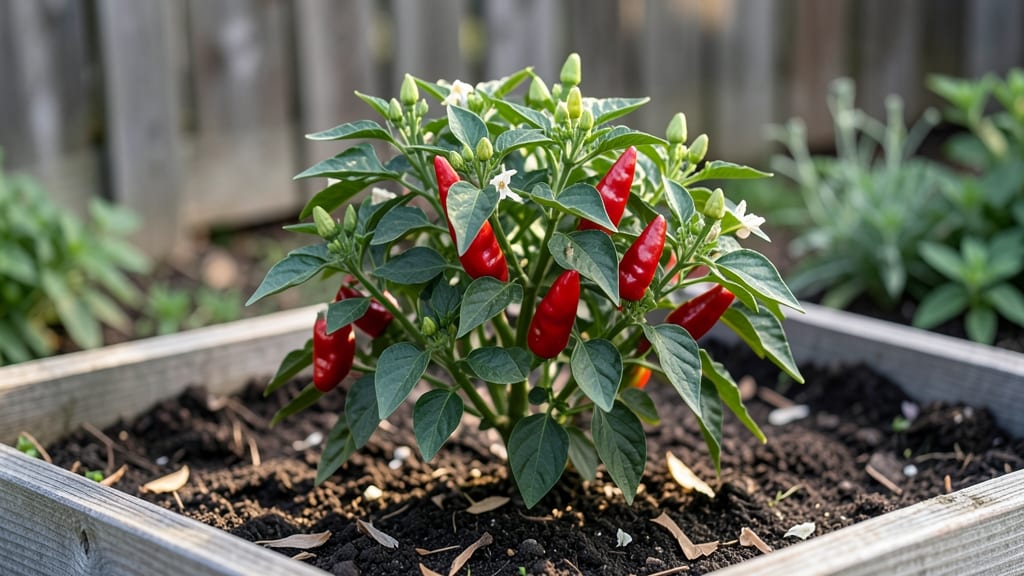
Growing red habanero peppers from seed means fiery harvests that outshine anything you’ll find in stores. 🌶️ The first time I grew them, I ended up with enough to make hot sauce for a year—and that was just a 4-foot-square patch.
These peppers aren’t just about heat; they’re about bold flavor, too, with fruity, citrusy notes that deepen as they ripen to that signature red.
The secret to success starts with the right conditions: warm soil, full sun, and consistent moisture without waterlogging. Most gardeners overlook soil temperature—habaneros need soil at least 75°F to germinate, which means waiting until after your last frost or using a heat mat.
I’ve learned the hard way that rushing this step leads to weak seedlings that struggle to catch up.
By midsummer, you’ll be harvesting peppers that pack 100,000–350,000 Scoville units of heat, with each plant yielding dozens of fruits if you prune and feed them right. The key is balance: too much nitrogen makes them leafy and weak; too little water causes blossom end rot.
I’ve perfected a simple fertilizer schedule that keeps them productive without burning the plants.
Even if you’ve never grown peppers before, this guide breaks down the process into manageable steps—from seed starting to troubleshooting common issues like aphids or cracked fruits. The payoff? A garden that’s not just productive, but downright spicy in the best way. Let’s get those seeds planted!
📚 In This Guide
- What you need
- Instructions
- Tips and common mistakes
- Wrapping up and next steps
What you need
- ● Red habanero seeds: 5–10 seeds (start with a small batch if you’re new to growing peppers!)
- ● Seed-starting mix: 1–2 small pots (3–4 inches wide) or a seed tray with drainage holes
- ● Mature potting soil: Well-draining, organic mix (avoid garden soil—it’s too dense!)
- ● Fertilizer: Balanced organic fertilizer (10-10-10 or similar) or compost
- ● Watering can or spray bottle: With a gentle nozzle for seedlings
- ● Grow lights or sunny windowsill: 6–8 hours of direct light daily (south-facing is ideal!)
- ● Small hand trowel: For transplanting seedlings
- ● Pruning shears: To trim excess growth and encourage bushiness
- ○ Gloves (optional but recommended!): Habaneros can irritate skin—nitrile gloves work best
- ● Harvesting scissors or knife: For clean cuts when peppers ripen
- ○ Containers (optional): 5–7 gallon pots if growing indoors or in limited space
- ● Warmth: Habaneros thrive in temperatures above 75°F (24°C)—wait until last frost has passed or use a heat mat for seedlings.
- ● Patience: From seed to harvest, it takes 90–120 days—plan ahead!
- ● Sunlight: At least 6–8 hours of direct sun daily (or supplement with grow lights).
Step-by-step instructions for growing red habanero peppers
Ready to cultivate your own fiery harvest? Here’s how to grow bold, heat-packed red habaneros from seed.
🌱 Step 1: Start Seeds Indoors for Strong Starts
Plant your habanero seeds in small pots filled with seed-starting mix—about ¼ inch deep—and place them in a warm spot (75-85°F). I like to use a seedling heat mat to speed up germination, which usually happens in 7-14 days. Keep the soil moist but not soggy, and cover the pots with plastic wrap or a humidity dome until sprouts appear.
Once the seedlings emerge, remove the cover immediately to prevent mold. You’ll notice the first true leaves (not the initial cotyledons) in about 2-3 weeks. This is when you can start fertilizing lightly with a balanced liquid fertilizer (like 5-5-5) diluted to half strength. Too much fertilizer now will burn tender roots.
☀️ Step 2: Provide Plenty of Light and Warmth
Habaneros crave full sun (6+ hours daily) and warmth. If you’re starting indoors, place them under grow lights (14-16 hours of light per day) about 2-3 inches away. Without enough light, seedlings stretch and weaken—watch for leggy growth with pale stems and widely spaced leaves. If this happens, move the lights closer or add a second light source.
When nighttime temperatures stay above 55°F, it’s time to harden off your seedlings. Start by moving them outside for 1-2 hours in a shaded spot, then gradually increase their time outdoors over 7-10 days. This prepares them for transplanting without shock. Habaneros are tropical and won’t tolerate frost, so wait until all danger of frost has passed in your area.
🪴 Step 3: Transplant to a Sunny, Well-Draining Spot
Choose a location with full sun and well-draining soil—habaneros hate soggy roots. If your soil is heavy clay, mix in compost or aged manure to improve drainage. Plant seedlings 12-18 inches apart in rows 18-24 inches apart to allow airflow and prevent disease. Dig a hole slightly deeper than the seedling’s root ball and firm the soil gently around it.
After transplanting, water deeply to settle the soil and encourage root growth. Mulch around the base with 2-3 inches of organic mulch (like straw or shredded leaves) to retain moisture and keep roots cool. Avoid wetting the leaves when watering—this can lead to fungal issues. You’ll know your plants are happy when they start producing new leaves and showing signs of flowering within 4-6 weeks after transplanting.
💧 Step 4: Water and Feed for Maximum Heat
Habaneros need consistent moisture—water deeply 1-2 times per week, depending on your climate. Let the top 1-2 inches of soil dry out between waterings to prevent root rot. I like to water in the morning so the plants dry out during the day. Overwatering leads to blossom-end rot, so balance is key.
Feed your plants every 2-3 weeks with a balanced fertilizer (like 10-10-10) or a tomato/pepper-specific fertilizer to boost fruit production. Once flowers appear, switch to a lower-nitrogen, higher-phosphorus fertilizer (like 5-10-10) to encourage fruiting. You’ll see flowers in 6-8 weeks after transplanting, followed by tiny green peppers that will eventually turn red and fiery hot.
✂️ Step 5: Harvest and Enjoy the Heat
Habaneros are ready to harvest when they turn bright red and are 1-2 inches long, usually 90-120 days after transplanting. Use pruning shears to snip the peppers cleanly from the plant—this encourages more fruit to develop. Wear gloves if you’re sensitive to heat! The more you harvest, the more your plant will produce.
To dry habaneros for powder or flakes, tie stems together and hang them upside down in a warm, dry place for 1-2 weeks. Once fully dried, remove the seeds and grind into a fiery powder. Store in an airtight container away from light. If you’re growing for fresh use, pick them at their peak ripeness—you’ll know they’re ready when the heat level is off the charts!
Tips & tricks for growing fiery red habaneros
Here's what nobody tells you about growing these tropical beauties—lessons learned from my own fiery experiments.
Germination Strategy: The 75-85°F warmth isn't just a suggestion—it's the difference between waiting weeks and seeing sprouts in 7-14 days. I've tried using a sunny windowsill, but a seedling heat mat cuts germination time nearly in half. If you don't have one, place pots on top of your fridge or near a warm appliance. Pro tip: Use a spray bottle to keep soil consistently moist during germination—don't let it dry out, but avoid making it soggy.
Lighting Secrets: Those 14-16 hours of light are non-negotiable for preventing leggy seedlings. I've seen plants stretch to 12 inches tall when they only get 10 hours of light, and they never recover. If your grow lights are too far away (more than 2-3 inches from seedlings), they'll lean toward the light source. Rotate your trays daily so all sides get even exposure. LED grow lights are more efficient than fluorescent ones for this purpose.
Transplanting Timing: The 4-6 weeks after transplanting is critical for establishing strong root systems. I've found that planting in late spring, after the last frost, gives plants enough time to mature before fall temperatures drop. If you're in a cooler climate, consider starting seeds indoors 8-10 weeks earlier than your typical transplant date. Also, avoid transplanting when temperatures are expected to drop below 55°F at night—habaneros are tropical and won't tolerate cold.
Harvesting Hack: For maximum production, harvest peppers when they're 1-2 inches long and just starting to turn red. This encourages the plant to produce more flowers and fruit. I've noticed that harvesting in the morning gives me the freshest peppers, and it's also when the heat levels are at their peak. If you're drying peppers for powder, harvest them when they're fully red—they'll be much hotter than green ones!
Pro Tips for Red Habanero Pepper
- Here's what nobody tells you about growing these tropical beauties—lessons learned from my own fiery experiments.
- Germination Strategy: The 75-85°F warmth isn't just a suggestion—it's the difference between waiting weeks and seeing sprouts in 7-14 days.
- Lighting Secrets: Those 14-16 hours of light are non-negotiable for preventing leggy seedlings.
Frequently asked questions
Got questions about growing and using red habanero peppers? You’re not alone—this fiery little pepper packs a punch (literally!) and comes with its own set of challenges and surprises. Here are answers to the most common queries to help you cultivate and enjoy your habaneros like a pro.
How long does it take for red habanero peppers to mature from seed?
A red habanero pepper typically takes 90–120 days to mature from seed to harvest. Start seeds indoors 8–10 weeks before your last frost date for a head start, then transplant seedlings outdoors after all danger of frost has passed. Patience is key—rushing can lead to stunted plants or underripe peppers!
Why are my habanero peppers turning red but staying small?
Small red habaneros could mean a few things: underwatering, poor soil nutrients, or insufficient sunlight. Habaneros thrive in full sun (6+ hours/day) and well-draining soil rich in compost. If your peppers are red but tiny, check your watering routine (keep soil consistently moist but not soggy) and fertilize with a balanced, low-nitrogen feed every 3–4 weeks.
Can I substitute red habanero peppers with another pepper?
If you’re craving habanero’s fiery kick (250,000–350,000 Scoville units) but don’t have any, try these alternatives:
- Scotch bonnet: Similar heat and fruity flavor, great for Caribbean dishes.
- Thai bird’s eye: Tiny but packs a punch—use sparingly!
- Serrano: Milder (60,000–100,000 SHU) but still spicy; good for salsas.
- Jalapeño + cayenne mix: For a milder heat, blend 1 part jalapeño + 1 part cayenne.
How do I know when red habanero peppers are fully ripe and ready to pick?
Habaneros are ready when they’re fully red, firm, and slightly glossy. Gently squeeze the pepper—if it gives a bit (like a ripe tomato), it’s ready! Harvest in the morning for maximum flavor and heat. Don’t wait too long: Overripe peppers can become mealy or attract pests. Use pruning shears or scissors to avoid damaging the plant.
What should I do if I accidentally touch my eyes after handling habaneros?
If habanero oils get in your eyes, rinse immediately with cold water for 15–30 seconds. Avoid rubbing! If irritation persists, use saline solution or artificial tears and seek medical help if redness or pain continues. Prevention tip: Wear gloves when handling peppers, and wash your hands thoroughly afterward—even the oils can cause a sting!
Can I grow red habaneros in containers, and what size pot do I need?
Habaneros thrive in containers with at least 5-gallon pots (bigger is better for multiple plants). Ensure pots have drainage holes to prevent root rot. Use a lightweight, well-draining potting mix and place containers in a sunny spot. Bonus tip: Rotate pots weekly for even sunlight exposure!
Wrapping up and next steps
Growing your own red habanero peppers is a rewarding journey that brings bold flavors and fiery heat straight to your kitchen! 🌶️ With the right care—sunlight, warmth, and patience—you’ll harvest vibrant peppers packed with capsaicin.
Whether you’re a spice enthusiast or a gardening newbie, this fiery adventure is well worth the effort.
Ready to take the next step? Start with seeds or seedlings this season and watch your garden transform into a spicy paradise. Happy growing—and don’t forget the sunscreen for those hot peppers! 🌱✨