
How To
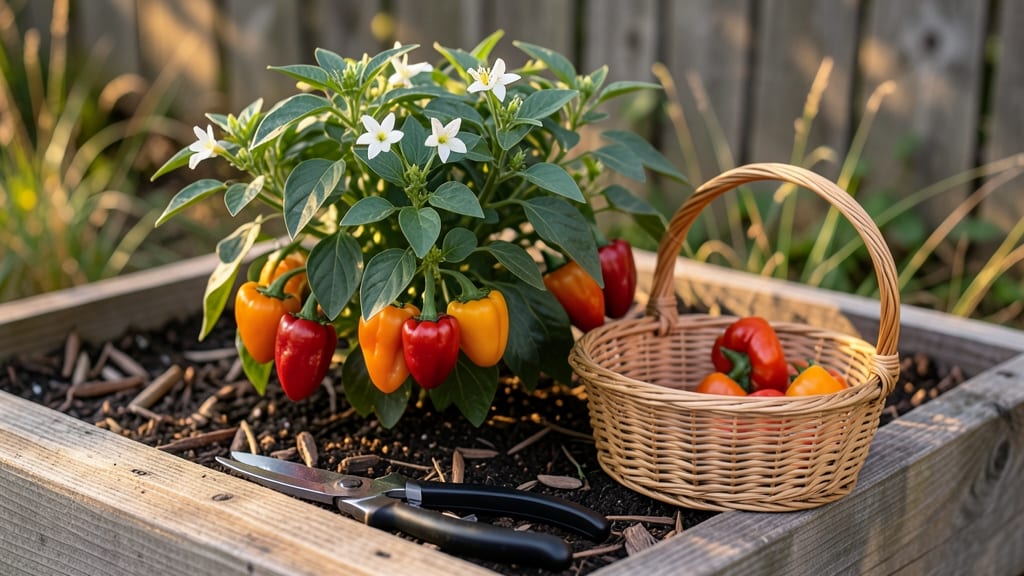
To pick Scotch bonnet peppers at their peak heat and flavor, watch for the color shift from green to vibrant red, yellow, or orange—this change signals they’re ready to harvest.
Scotch bonnet peppers pack a fiery punch—but harvesting them at the wrong time means losing flavor, heat, and even the fruit itself. Timing is everything when these vibrant peppers shift from green to red, yellow, or orange, signaling peak ripeness and maximum capsaicin.
In tropical climates, they ripen between summer and fall, while cooler subtropical regions may need a few extra weeks. The key is firmness and a deep, rich color—press gently to test readiness, and look for a slight give at the stem.
Below, I’ll break down the exact color cues, size markers, and climate tips to ensure you harvest at the perfect moment—because once they’re picked, the heat starts fading fast.

Scotch bonnet pepper ripeness stages by color (with heat & flavor guide)
Scotch bonnet peppers transform through distinct color stages, each marking a shift in heat intensity and flavor complexity. The journey from green to red/yellow/orange isn’t just visual—it’s a roadmap to peak ripeness.
Understanding these stages helps you harvest at the perfect moment, whether you crave mild sweetness or blazing heat.
Most gardeners focus solely on final color, but the transition phases hold secrets too. For example, a yellow Scotch bonnet might pack more fruit-forward sweetness, while a deep red delivers maximum capsaicin kick.
Let’s break down each stage, including Scoville heat units, flavor profiles, and the best time to pick.
| Ripeness Stage | Color | Scoville Heat (SHU) | Flavor Profile | Harvest Window | Visual Cues |
|---|---|---|---|---|---|
| Immature | Green | 0-10,000 SHU | Grassy, mild | Not ideal | Small, firm, glossy |
| Early Ripening | Yellow | 50,000-100,000 SHU | Sweet, fruity | 70-80 days | Slightly wrinkled, stem separates |
| Peak Ripeness | Orange/Red | 100,000-350,000 SHU | Bold, smoky | 85-95 days | Deep color, soft skin, fragrant |
| Overripe | Dark red/brown | 350,000+ SHU | Bitter, intense | 95+ days | Wrinkled, stem detaches easily |
The green stage is where Scotch bonnets start their journey, but it’s rarely the best time to harvest. These peppers are mild and grassy, with minimal heat (0-10,000 SHU).
If you’re growing in a short-season climate, you might pick them early for cooking uses, but they lack the complexity of fully ripened peppers.
As the peppers mature, they transition to yellow, signaling the early ripening stage. This is where the heat starts building, reaching 50,000-100,000 SHU. The flavor shifts to sweet and fruity, making them ideal for salsas or fresh eating.
Look for slight wrinkling and a glossy sheen—these are key visual cues.
Most gardeners aim for the peak ripeness stage, where Scotch bonnets turn orange or deep red. This is when the heat reaches its maximum (100,000-350,000 SHU), and the flavor becomes bold and smoky.
The peppers will feel slightly soft when gently squeezed and emit a fragrant aroma near the stem. This is the ideal window for drying or making hot sauces.
If you miss the peak, peppers may overripen, turning dark red or brown. While the heat can spike above 350,000 SHU, the flavor becomes bitter and intense
3 Critical signs your Scotch bonnet peppers are ready to harvest (beyond color)
Color isn't the only indicator that your Scotch bonnet peppers are ready for harvest. These tropical beauties often reveal subtle ripeness cues that experienced growers watch for first.
The stem separation test is my go-to method—when the pepper detaches cleanly from the plant with just a gentle twist, it's a surefire sign of maturity. But don't stop there; the leaf color changes near the pepper and its firmness also speak volumes about when to pick.
Some gardeners assume red peppers are always the sweetest, but Scotch bonnets often peak in flavor and heat when they're still yellow or orange. In fact, harvesting at this stage can preserve their signature fruity notes and maximum capsaicin levels.
The key is understanding these field-tested indicators that go beyond what you see at first glance—because picking too early or too late can ruin your harvest.
- 1 Stem Separation Test: Twist the pepper gently—if it detaches cleanly with just the stem cap intact, it's ready. A stubborn pepper means it needs more time on the vine.
- 2 Firmness & Glossiness: A ripe pepper should feel firm but slightly yielding when pressed (like a ripe avocado). Look for a slight sheen on the skin—dull peppers aren't ready yet.
- 3 Leaf Color Shift: The leaves near the pepper will yellow or brown as it ripens. This signals the plant is redirecting nutrients to the fruit—perfect timing for harvest.
One common mistake I see is waiting for peppers to turn fully red before harvesting. While red Scotch bonnets are sweeter, their heat levels drop significantly—sometimes by up to 30% compared to yellow or orange stages.
For maximum spice, harvest when they're still vibrant yellow or orange, especially if you're growing them for hot sauces or fresh use. The aroma test is another pro trick: crush a tiny piece near the stem—ripe peppers release a fruity, slightly sweet scent.
If your peppers stay green well past their expected harvest window, check your growing conditions. Cool temperatures or nutrient deficiencies can delay ripening. In tropical climates, peppers mature faster, but in cooler regions, they may never turn red.
That's okay—green Scotch bonnets are still edible and pack a punch when used in salsas or marinades. The key is consistency: if all peppers on a plant show the same ripeness signs, it's time to harvest the batch.
Premature harvesting happens when gardeners focus only on size rather than maturity. A pepper might look big but still feel spongy or hollow inside—this means it's not developed enough.
On the flip side, leaving peppers too long on the vine can lead to overripe fruit, which becomes mealy and loses flavor.
The stem cap is your best friend here: if it's still attached and dry, the pepper is ready; if it's wet or falling off, it's past its prime.
For the best results, harvest your Scotch bonnet peppers in the morning when temperatures are cool. This preserves their heat and flavor longer. Use sharp pruning shears or clean scissors to avoid damaging the plant, and leave about 1/4 inch of stem attached.
This small detail makes all the difference when storing or using your peppers—whether you're drying them for homemade hot sauce or freezing for later use.