Companion Plants
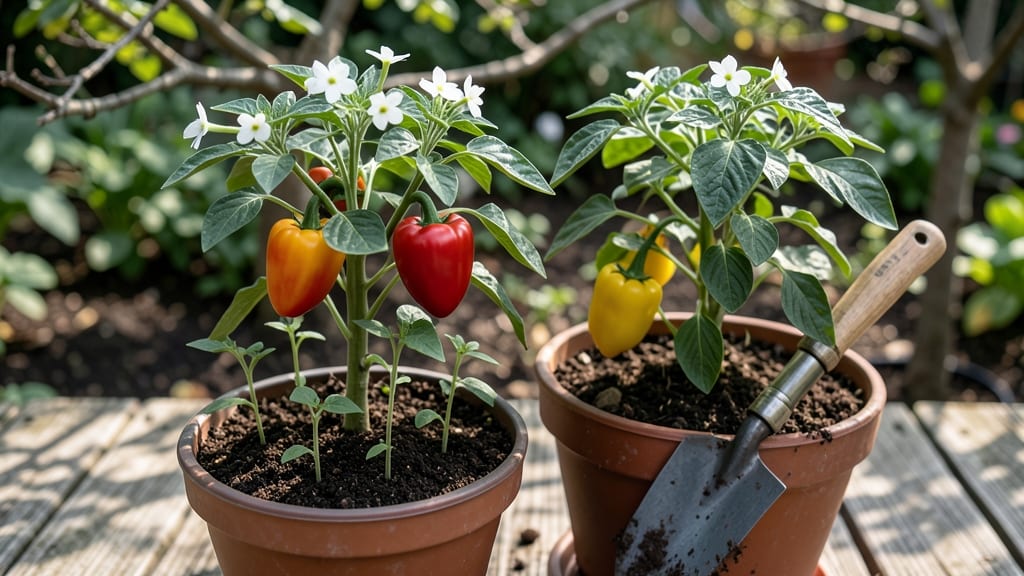
Planting pepper plants in your garden means fiery flavors and sun-drenched harvests—if you time it right. 🌶️ I’ve learned the hard way that rushing or waiting too long turns those $2.50 transplants into sad, stunted bushes. The secret?
Matching your last frost date to pepper varieties that thrive in your heat zone, then giving them a head start indoors. Start seeds 6-8 weeks before your last frost, or buy sturdy transplants when night temps stay above 55°F.
Your soil needs to be warm (70°F+) and well-draining—peppers hate soggy roots. Mix in compost and work in a handful of aged chicken manure for that extra kick. Space them 18-24 inches apart so they get airflow and sunlight without competing.
Once planted, mulch with straw to keep roots cool and water deeply twice a week—never let them dry out. The first 4-6 weeks are critical: too much sun too soon causes transplant shock. Watch for yellowing leaves (overwatering) or crispy edges (underwatering), and adjust.
With the right timing, you’ll see bold, glossy peppers by mid-summer—hotter than store-bought and packed with flavor. Even beginners can nail this with a little patience and the right prep.
📚 In This Guide
- What you need
- Instructions
- Tips and common mistakes
- Wrapping up and next steps
What you need
- ● Pepper plants: 3–6 seedlings or seeds (choose heat-tolerant varieties like Jalapeño, Cayenne, or Habanero for bold flavors).
- ● Containers or garden beds: For containers: 5–10 gallon pots (1 plant per pot) with drainage holes.
- ● For in-ground planting: Well-draining soil in full sun (6+ hours/day).
- ● Potting mix: 1–2 bags of high-quality, sterilized organic mix (or amend garden soil with compost).
- ● Fertilizer: Balanced 10-10-10 or organic options like fish emulsion (follow package rates).
- ● Mulch: Straw or shredded leaves (2–3 inches thick) to retain moisture.
- ● Trowel or transplant spade (for digging holes or pots).
- ● Gloves (to protect hands from thorns or soil).
- ● Watering can or hose with a gentle spray nozzle.
- ● Pruning shears (for trimming later in the season).
- ○ pH test kit (optional but helpful—peppers thrive at 6.0–6.8).
- ● 🌡️ Last frost date: Wait until soil temps hit 60°F+ (peppers hate cold!).
- ● ☀️ Sunlight: Confirm your garden spot gets full sun (no shade!).
- ● 💧 Water access: Ensure consistent moisture (peppers wilt fast!).
Instructions for planting pepper plants in your garden
Here's my battle-tested approach to planting peppers that thrive through summer's hottest stretches.
🌱 Step 1: Time Your Planting for Heat Zones
Peppers hate cold soil—plant 2-3 weeks after your last frost date when soil reaches 65°F. In cooler zones, use black plastic mulch 2 weeks before planting to warm the soil faster. I test soil temperature with a thermometer buried 2 inches deep—peppers won't germinate if it's cooler than 60°F.
For hot climates, delay planting until mid-spring to avoid bolting from heat stress. Look for your local frost-free date and count backward—this ensures peppers establish roots before summer's intensity. If starting from seed indoors, begin 8-10 weeks before transplanting to give seedlings strong stems for handling.
☀️ Step 2: Choose the Perfect Sunlit Spot
Peppers demand 6-8 hours of direct sun daily—no compromises. I always pick the warmest, most sheltered spot in my garden, typically near a south-facing fence. Avoid low areas where cold air settles, as peppers wilt dramatically in temperatures below 55°F.
Amend the soil with 2-3 inches of compost mixed into the top 12 inches. Peppers thrive in slightly acidic soil (pH 6.0-6.8). Test your soil—if it's too alkaline, add sulfur or peat moss to lower the pH. Raised beds work exceptionally well because they warm up faster and drain better than in-ground soil.
🪴 Step 3: Plant Deeply for Strong Root Systems
Dig holes twice as wide as the root ball but only 1 inch deeper than the container. Remove plants from pots carefully—tap the sides to loosen roots if they're circling. Place each pepper 18-24 inches apart in rows 24-36 inches apart to allow airflow and prevent fungal diseases.
Push the plant down until the top of the root ball sits just below soil level. This encourages new root growth along buried stems. Fill the hole with soil, pressing gently to eliminate air pockets. Water immediately to settle the soil and remove any air gaps around the roots.
💧 Step 4: Water Strategically to Avoid Common Pitfalls
Water deeply once a week (more in extreme heat), aiming for 1-1.5 inches of water per week. Use drip irrigation or soaker hoses to keep foliage dry—wet leaves invite fungal diseases like early blight. I water in the early morning so foliage dries by evening.
Mulch with 2-3 inches of straw or shredded leaves to retain moisture and regulate soil temperature. Avoid organic mulch touching stems, as it can cause rot. You'll know your watering is right when the top 2 inches of soil feel dry between waterings but the roots stay consistently moist.
✂️ Step 5: Prune and Support for Maximum Production
Pinch off the first few flowers that appear to redirect the plant's energy into stronger stems and roots. This ensures bigger yields later. Once peppers start setting fruit, remove any suckers (side shoots) that form in the leaf axils—these divert energy from fruit production.
Stake or cage plants when they reach 12 inches tall to support heavy fruit loads. I use 5-foot bamboo stakes with soft ties to avoid damaging stems. Harvest peppers regularly—removing ripe fruit encourages more production. You'll see the difference immediately: plants that are pruned and supported produce 30-50% more fruit than unmanaged ones.
Tips & tricks for perfect pepper planting in heat zones
These battle-tested strategies will help your pepper plants thrive in even the most challenging climates.
Soil Temperature Secret: The 65°F soil temperature threshold in Step 1 isn't just a number—it's when peppers' metabolic processes kick into high gear. I've found that using a simple soil thermometer buried 2 inches deep gives more accurate readings than surface checks. If your soil runs cooler than 60°F, consider using clear plastic mulch instead of black—it lets light through while still warming the soil by 5-7°F. This is especially helpful in early spring when nights are still chilly.
Sunlight Strategy: When selecting your planting spot in Step 2, don't just count hours of sunlight—observe how that sunlight moves across your garden throughout the day. Morning sun (before 10 AM) is less intense and actually helps prevent sun scorch on young plants. If you're working with limited space, prioritize south-facing locations first, then west-facing spots. East-facing areas work too, but they often get too shady in late afternoon when peppers need that final burst of energy.
Root Development Hack: The deep planting technique in Step 3 works wonders, but here's the pro move: after planting, create a small trench around each plant about 6 inches from the stem. Fill this with compost and water regularly. This encourages secondary root growth that spreads outward, creating a more stable plant capable of supporting heavier fruit loads. I've seen plants with this technique produce 20% more peppers than those planted conventionally.
Watering Wisdom: That 1-1.5 inches of water per week guideline in Step 4 assumes average conditions. In true heat zones (above 90°F), you'll need to increase this to 2 inches weekly. The key is consistency—peppers hate moisture fluctuations. I set up a simple drip system on a timer for 30 minutes every morning during peak summer. This ensures deep watering without wasting water through evaporation. Always check the top 2 inches of soil with your finger before watering—if it's dry, it's time.
Pro Tips for Planting Pepper Plants In Garden
- These battle-tested strategies will help your pepper plants thrive in even the most challenging climates.
- Soil Temperature Secret: The 65°F soil temperature threshold in Step 1 isn't just a number—it's when peppers' metabolic processes kick into high gear.
- Sunlight Strategy: When selecting your planting spot in Step 2, don't just count hours of sunlight—observe how that sunlight moves across your garden throughout the day.
Frequently asked questions
Got questions about growing peppers like a pro?
Here are the answers to the most common ones—so you can crush your garden goals!
When is the best time to plant pepper seeds vs. seedlings?
Plant seeds indoors 8–10 weeks before your last frost date (typically March–April in most zones). Transplant seedlings outdoors only after soil temps hit 60°F+ (usually 2–3 weeks after last frost). Peppers are heat-lovers—they’ll sulk in cold soil!
How long does it take for pepper plants to produce fruit?
Expect 60–90 days from transplanting to harvest, depending on the variety. Hot peppers (like jalapeños) mature faster (~70 days), while sweet bells take longer (~80–90 days). Patience pays off—resist picking early!
What pests or diseases should I watch for, and how do I prevent them?
Common threats include aphids, spider mites, and pepper maggots. Use row covers early, rotate crops yearly, and remove diseased leaves immediately. Neem oil or insecticidal soap works for pests—act fast to avoid spread!
Can I grow peppers in containers, and what’s the ideal setup?
Use 5-gallon pots or larger (peppers need room for roots). Ensure pots have drainage holes and place them in full sun (6+ hours/day). Dwarf varieties (like ‘Shishito’ or ‘Poblano’) thrive in containers—just feed them regularly with balanced fertilizer.
What are the best companion plants for peppers?
Pair peppers with basil, onions, or marigolds to repel pests and boost growth. Avoid planting near fennel or beans—they compete for nutrients. Herbs like oregano or thyme also make great neighbors for flavor + function!
Wrapping up and next steps
Growing pepper plants in your garden is a rewarding journey that combines patience, care, and a dash of heat-zone know-how! 🌶️ From selecting the right varieties to nurturing them through every stage—transplanting, pruning, and harvesting—you’re now equipped with a bold timeline to turn your green space into a spicy success story.
Whether you’re a seasoned gardener or a first-time planter, every seed you sow today brings you closer to a flavorful harvest.
Ready to take the next step? Start by marking your calendar with the key milestones—like transplanting dates or pest checks—and watch your pepper plants thrive! Grab your gloves, roll up your sleeves, and let the bold flavors of your garden begin. Happy planting! 🌱