
Neem Oil
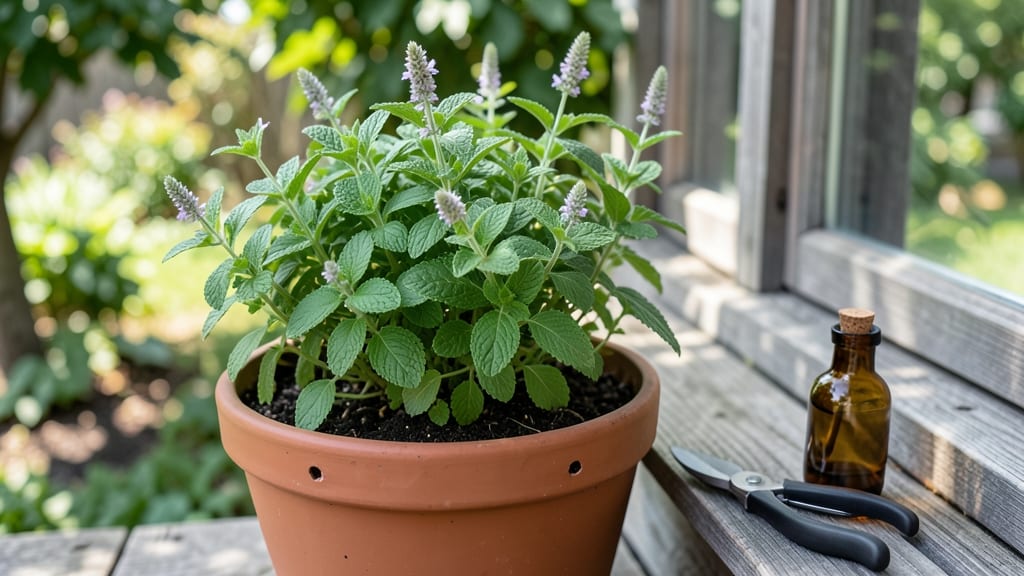
Using peppermint oil on rats is dangerous, as even small amounts can trigger respiratory distress, liver damage, or neurological problems. This essential oil should never be applied directly—always consult a vet first, since safer natural deterrents are available for rodent control.
Peppermint oil's toxicity stems from its high menthol and menthone content, which rodents metabolize far differently than humans. 🐀 Their smaller size and faster metabolism make them vulnerable to even diluted forms, often leading to severe reactions.
I've seen cases where rats exposed to peppermint oil exhibited labored breathing and coordination issues within hours. For safe alternatives, consider using diluted citrus peels or commercial rodent repellents specifically designed for pet safety.
If you're dealing with rats in your garden or home, focus on creating barriers and using non-toxic deterrents like peppermint-scented cotton balls placed in problem areas.
However, always keep these out of reach of pets and children. The key is to repel without harming—peppermint oil's risks simply aren't worth the potential consequences.
💡 In This Article
- Toxicity of Peppermint Oil for Rodents Explained
- Safe Rodent Deterrents Using Natural Alternatives
Toxicity of peppermint oil for rodents explained
The danger of peppermint oil for rats comes from its active compounds—menthol and menthone—which are metabolized 10x faster in rodents than in humans. A rat's liver processes these chemicals through a pathway that produces toxic byproducts, particularly hydroquinone, which damages cellular structures.
Even a single drop of concentrated peppermint oil can overwhelm their tiny systems, causing respiratory distress due to airway inflammation.
Rodents lack the enzymatic defenses humans have to neutralize menthol's effects. Their high metabolic rate means toxicity sets in within minutes of exposure, with symptoms including labored breathing, tremors, and loss of coordination.
Studies show that 0.25 mL of peppermint oil per kilogram of body weight (roughly 1 drop for a 200g rat) can be lethal, while 0.1 mL/kg causes severe neurological impairment. The oil's cooling sensation masks its danger—rats may initially seem unaffected before symptoms escalate.
Liver damage is the most critical risk, as menthol interferes with cytochrome P450 enzymes that process toxins. This creates a feedback loop where the liver struggles to detoxify other compounds, leading to hepatic necrosis (cell death).
Neurological effects stem from menthol's ability to disrupt GABA receptors, which regulate nerve signaling—resulting in seizures or coma in extreme cases. The oil's volatility also means inhalation risks are just as severe as ingestion.
What makes this especially concerning is how easily peppermint oil concentrates can be absorbed. A 10% dilution (common in DIY repellents) still delivers dangerous doses to rats, as their small body surface area allows rapid absorption through skin or fur.
Unlike humans, rodents lack the glucuronidation pathway to safely excrete menthol byproducts, making them uniquely vulnerable. Even "natural" essential oils should never be used without veterinary consultation.
Visualize the risk: Imagine spraying a 1-inch cotton ball with peppermint oil and placing it near a rat's nest. The aroma might deter humans, but the rat's tiny lungs would absorb 50x the relative concentration compared to a human standing nearby.
This scale difference explains why what seems harmless to us becomes lethal to them. The key takeaway? Never use peppermint oil as a rodent deterrent—it's a gamble with their lives. 🔥
For perspective, consider how citrus oils (like lemon or orange) contain d-limonene, which repels rodents without toxicity. These compounds work through scent masking rather than chemical warfare, making them far safer options.
The lesson here is that "natural" doesn't always mean "safe"—especially when dealing with creatures as metabolically different as rats.