
Neem Oil
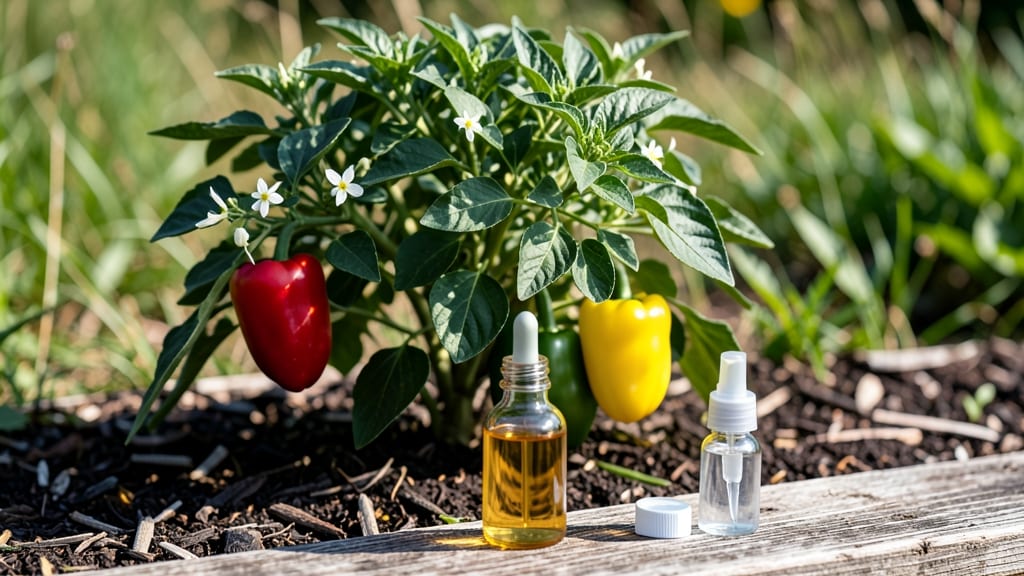
Using peppermint oil on plants effectively repels pests like ants and aphids when properly diluted, but it can damage delicate foliage if applied too strongly. Always mix with water and spot-test first.
Peppermint oil's active compounds—menthol and menthone—disrupt insects' nervous systems while its strong scent masks plant attractants. 🌿 For herbs like basil or mint, a 10-drop-per-cup-water ratio works well, while succulents need just 2-3 drops. I've seen best results when spraying during early morning or late evening to avoid sun degradation.
What's crucial is understanding plant tolerance levels. Herbs and woody plants handle higher concentrations better than tender seedlings or citrus varieties. Always start with a 1:10 dilution ratio and monitor for leaf burn over 24 hours.
The oil's volatility means effects last about 2-3 days, so reapplication is often needed for persistent infestations.
💡 In This Article
- How Peppermint Oil Works as a Natural Plant Pesticide
- Safe Peppermint Oil Dosages for Different Plant Types
How peppermint oil works as a natural plant pesticide
The real power of peppermint oil lies in its two key compounds: menthol and menthone. These molecules act like a double threat against pests. Menthol disrupts insects' nervous systems by interfering with their sensory receptors, causing confusion and repelling them from your plants.
Meanwhile, menthone acts as a natural irritant that makes pests avoid treated areas entirely. 🔥 The strong minty aroma also masks the plant's natural scent signals that attract pests like aphids and spider mites.
Science shows these compounds work best when applied in a 1:10 dilution ratio (10 drops per cup of water). At this concentration, peppermint oil creates a protective barrier that lasts about 2-3 days before breaking down.
What's fascinating is how sunlight accelerates this process—UV rays cause the oil to degrade faster, which is why early morning or late evening applications work best. This makes peppermint oil more environmentally friendly than synthetic pesticides that linger in soil.
When comparing to other natural options, peppermint oil sits between neem oil (which works systemically) and pyrethrin (derived from chrysanthemums). While neem oil affects pests internally, peppermint oil primarily works through scent and contact.
The advantage? Peppermint oil has no residual soil buildup, making it safer for organic gardens. However, it's less effective against chewing insects like caterpillars compared to pyrethrin's knockdown power.
What most gardeners don't realize is how temperature affects efficacy. Cooler weather (60-75°F) enhances the oil's repellent properties, while heat above 85°F can cause the active compounds to evaporate too quickly.
This is why I recommend storing your peppermint oil spray in a cool, dark place and using it during spring or fall when pests are most active but temperatures are moderate.
The repellent effect works through a fascinating chemical process called allomone signaling. When pests detect the peppermint scent, their antennae register it as a threat signal, triggering avoidance behavior.
Studies show ants, in particular, will completely bypass treated plants in favor of untreated ones. The effect is immediate—within minutes of application, you'll often see pests scattering from the area.
For best results, combine peppermint oil with a mild soap (like castile soap) to help it adhere to plant surfaces. The soap acts as a surfactant, breaking surface tension and allowing the oil to spread more evenly.
This combination creates what I call a "triple-action" spray: repellent, disruptor, and protective barrier. Just be sure to shake well before each use—the oil separates from water over time.
Remember that while peppermint oil is effective, it's not a cure-all. For severe infestations, you may need to combine it with other methods like companion planting or introducing beneficial insects.
The key is consistent application—think of it like a natural pest deterrent system that needs regular "updates" to maintain effectiveness. 💫