
Featured
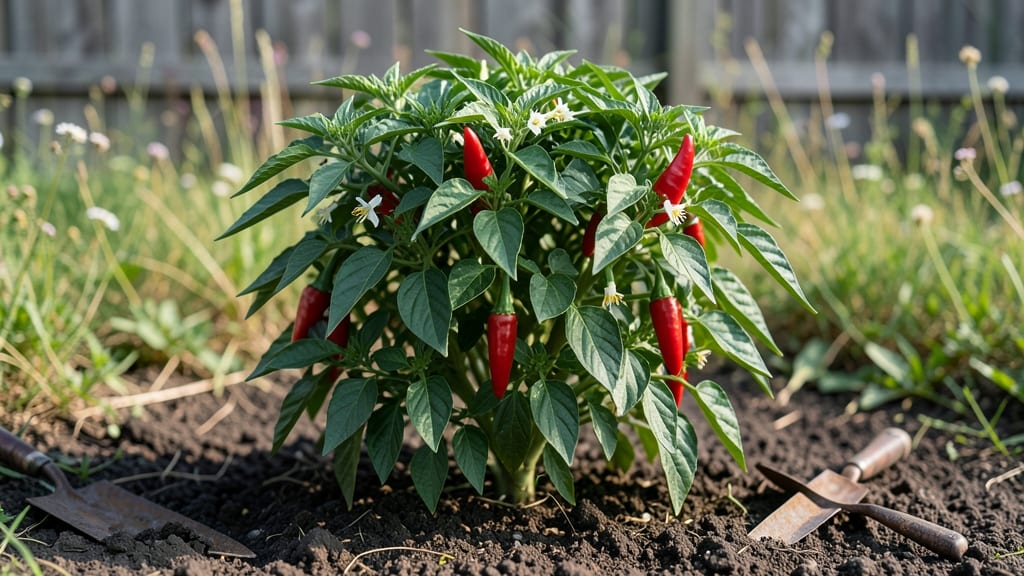
Dogs should never eat cayenne pepper, as it contains capsaicin, a compound that can cause severe gastrointestinal irritation, vomiting, and even pancreatitis in pets. Even small amounts pose serious health risks.
Cayenne pepper is dangerous for dogs because their digestive systems can't handle capsaicin—the same compound that makes peppers hot for humans. 🐾 Unlike us, dogs lack the tolerance to process even tiny amounts, which can trigger intense burning sensations in their mouths and stomachs.
Symptoms like drooling, pawing at the mouth, or diarrhea often appear within minutes of ingestion, and severe cases may require emergency vet care.
If your dog accidentally gets exposed, stay calm and contact your vet immediately. Never induce vomiting without professional guidance, as the irritation can worsen on the way down.
For spice lovers who want to share meals with their pets, safer alternatives like parsley, turmeric, or mild paprika (in tiny amounts) can add flavor without the risks.
💡 In This Article
- Capsaicin Toxicity in Dogs: How Cayenne Pepper Harms Pets
- Safe Spice Alternatives for Dog-Friendly Cooking
Capsaicin toxicity in dogs: how cayenne pepper harms pets
Cayenne pepper's danger for dogs stems from capsaicin, a chemical that binds to the TRPV1 receptors in their mouths and digestive tracts. These receptors—normally designed to detect heat and pain—overload when exposed to capsaicin, triggering an intense burning sensation.
In humans, this creates the "spicy" feeling, but dogs experience actual physical pain because their receptors lack the tolerance we develop through gradual exposure.
A single pinch of cayenne (about 0.05 grams) can cause significant distress in a 20-pound dog, while the same amount might barely affect an adult human.
The effects begin almost immediately after ingestion. Dogs may start drooling excessively, pawing at their mouths, or gagging as their bodies attempt to expel the irritant. The capsaicin also causes inflammation in the stomach lining, leading to vomiting or diarrhea within 15-30 minutes.
In severe cases, repeated exposure can trigger pancreatitis—a painful and potentially life-threatening condition where digestive enzymes attack the pancreas. 🔥 The smaller the dog, the higher the risk, as their systems are more sensitive to toxins.
What makes this especially concerning is how dogs process capsaicin differently than humans. Our bodies produce endorphins that temporarily mask the pain, but dogs lack this natural painkiller response. This means the burning sensation continues unabated, causing significant stress.
Additionally, capsaicin's chemical structure makes it resistant to stomach acids, so it remains active longer than many other irritants. Even if your dog spits out the pepper, residual capsaicin on their fur or paws can still cause irritation when licked.
Neurological effects can also occur, particularly in high doses. Some dogs may exhibit signs of disorientation, rapid breathing, or even seizures as their nervous systems react to the toxin. These symptoms are rare but serious, requiring immediate veterinary intervention.
The key takeaway is that dogs' physiological differences—smaller size, sensitive digestive systems, and lack of spice tolerance—make cayenne pepper uniquely dangerous for them compared to humans.
To put this into perspective, consider how a jalapeño pepper (which contains capsaicin) might affect your dog. While humans can often handle the heat, a dog's reaction would be far more severe—imagine eating a ghost pepper without any prior tolerance.
The difference in sensitivity is why pet owners must treat cayenne (and all hot peppers) as completely off-limits, even as accidental seasoning in meals.
If you suspect your dog has ingested cayenne, don't wait to see if symptoms appear. Contact your vet or a pet poison hotline immediately—every minute counts when dealing with capsaicin toxicity. 💫