
Pests and Diseases
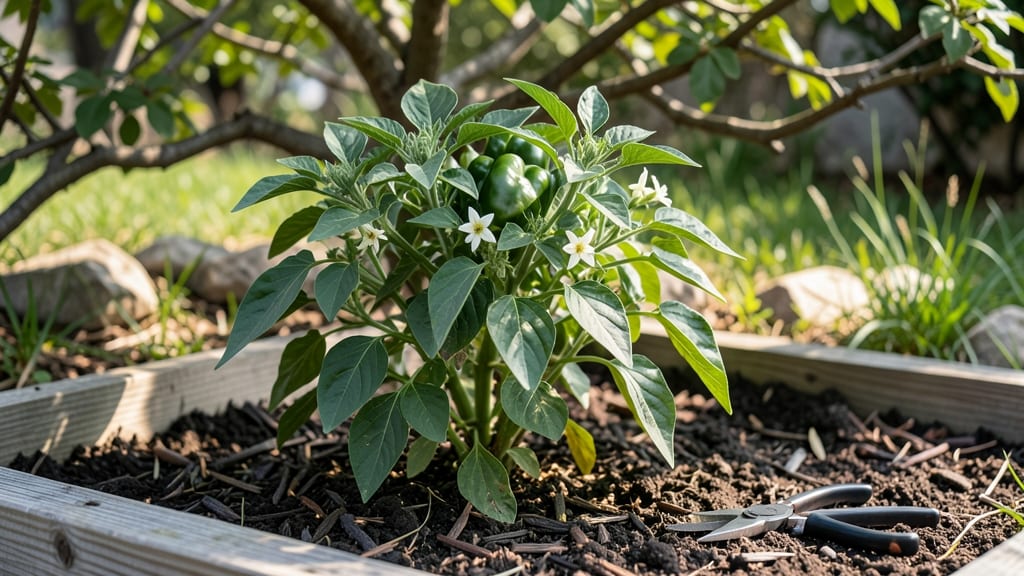
Pepper seedlings with leaves pointing up? That’s your plants screaming for help—and it’s easier to fix than you think. 🌱 I’ve nursed back dozens of seedlings with this exact method, and the results are shockingly fast.
The key isn’t guessing what’s wrong; it’s checking three simple things in the right order.
Most of the time, it’s light or water stress. Too much sun bleaches the leaves, while too little makes them stretch upward like they’re reaching for God. Then there’s the soil—overwatered roots suffocate, while dry soil pulls leaves into that upward point.
I’ve even seen this happen from transplant shock when seedlings get moved too soon.
Here’s the game-changer: adjust one thing at a time. Move seedlings to bright, indirect light, let the top inch of soil dry between waterings, and give them a week to recover.
Within days, those leaves will flatten out and start growing strong again. No fancy tools, no expensive fixes—just patience and observation.
Prevent it next time by hardening off seedlings gradually, using well-draining soil, and keeping them in a spot with 6-8 hours of sunlight daily. Once you spot the problem early, your peppers will bounce back faster than you’d expect—no black thumb required.
Root Causes Of Upward-Leaning Leaves
Understanding why your pepper seedlings’ leaves are pointing skyward starts with the roots—literally. This quirky growth pattern is rarely a disease but almost always a stress signal from environmental or cultural mismanagement.
Let’s break down the most common culprits with science-backed explanations so you can diagnose (and fix!) the issue fast.
When pepper seedlings are packed too tightly in trays or pots, they compete aggressively for light, water, and nutrients. This competition triggers a survival response: leaves stretch upward (a process called etiolation) to reach sunlight. Here’s why it’s happening:
- Light starvation: In crowded conditions, seedlings grow tall and spindly (like a race for the sun) instead of bushy.
Their leaves may also turn pale or yellowish as chlorophyll production drops. - Root restriction: Cramped roots can’t absorb enough water or nutrients, forcing the plant to prioritize vertical growth over leaf expansion. - Weak stems: Without proper support, stems become brittle and prone to snapping under their own weight.
🔍 Quick test: Gently pull a seedling—if roots are circling tightly or tangled, that’s your problem.
Pepper seedlings are sensitive to moisture fluctuations, and uneven watering can cause leaves to curl upward as a stress response. Here’s the science:
- Drought stress: When soil dries out too much, roots struggle to deliver water, causing leaves to curl upward to reduce surface area and limit water loss (a form of transpiration control). - Overwatering chaos: Soggy soil cuts off oxygen to roots, leading to root rot or anaerobic stress.
The plant reacts by growing upward-leaning leaves to escape the waterlogged conditions. - Temperature swings: Cold or hot water (especially from faucets) can shock roots, disrupting nutrient uptake and causing leaf distortion.
💡 Pro tip: Stick your finger 1 inch into the soil—if it’s dry, water; if it’s soggy, hold off. Use room-temperature water to avoid shocking delicate roots.
Pepper seedlings crave light, and when they don’t get enough, they stretch upward in a desperate bid for sunlight. This is called etiolation, and it’s not just ugly—it weakens the plant:
- Insufficient light spectrum: Seedlings need full-spectrum light (especially blue wavelengths, 400–500 nm, for compact growth).
Without it, they grow tall, leggy, and weak. - Distance from light source: If seedlings are too far from grow lights or sunlight, they’ll stretch to reach light, causing leaves to point upward like little green periscopes. - Nighttime darkness: Pepper seedlings need 12–16 hours of light daily.
Too much darkness triggers rapid vertical growth to compensate.
✨ Fix it fast: Move seedlings closer to the light source (within 6–12 inches for grow lights) or supplement with LED grow bulbs if natural light is weak.
Pepper seedlings thrive in warmth (70–85°F day, 60–70°F night), but extreme temps can cause leaves to curl or point upward as a stress response:
- Cold stress: Below 50°F, seedlings slow down or stop growing, leading to stunted, upward-leaning leaves as they conserve energy.
- Heat shock: Above 90°F, enzymes in leaves denature, causing wilting, curling, or upward growth to reduce heat exposure.
- Drafty conditions: Sudden temperature drops (like near windows or AC vents) can shock the plant, leading to abnormal leaf positioning.
🌡️ Ideal fix: Use a seedling heat mat (if below 65°F) or move pots away from cold drafts or hot spots (like radiators).
While pepper seedlings don’t need heavy feeding early on, nutrient deficiencies or excesses can cause leaves to point upward as a misguided growth response:
- Nitrogen deficiency: Leaves may yellow (chlorosis) and curl upward as the plant prioritizes root growth over leaf expansion. - Phosphorus or potassium imbalance: These nutrients help cell division and energy transfer.
Too little = weak stems; too much = burned roots, both leading to poor leaf structure. - Calcium or magnesium issues: These minerals strengthen cell walls. A deficiency causes leaf curling or upward growth as cells struggle to maintain shape.
📊 Soil test tip: If you suspect nutrients, do a simple DIY test (vinegar + water for pH) or use a liquid fertilizer with balanced NPK (5-5-5) for seedlings.
While rare, pests or pathogens can cause leaves to curl or point upward as the plant tries to seal off damage:
- Aphids or spider mites: These sap-sucking pests inject toxins that cause leaf curling and upward growth as the plant attempts to protect itself.
- Fungal infections (like powdery mildew): Fungal spores can clog leaf surfaces, forcing new growth to angle upward to escape moisture buildup.
- Root-knot nematodes: These microscopic worms damage roots, reducing water/nutrient uptake and causing stunted, upward-leaning growth.
🔥 Pest patrol: Check undersides of leaves for webbing, sticky residue (aphid honeydew), or tiny bugs. Treat with neem oil or insecticidal soap if needed.
Fixing Upright Seedling Leaves
Now that you know the root causes behind those stubbornly upward-pointing pepper seedling leaves, let’s roll up our sleeves and get them growing strong and healthy! The good news?
Most of these issues have simple, effective fixes—no advanced gardening degree required. Below, we’ll tackle each cause with step-by-step solutions, plus pro tips to keep your seedlings thriving long-term.
Signs: Leaves pointing upward, slow growth, or seedlings leaning toward light sources.
How to Fix It:
- 🔥 Thin Your Seedlings – Use clean scissors or your fingers to gently remove weaker seedlings, leaving only the strongest one per pot (about 2–3 inches apart for pepper seedlings).
- 🍳 Repot If Needed – If seedlings are packed too tightly, transplant them into larger containers (at least 3–4 inches deep) with fresh potting mix.
- 👨🍳 Boost Light Exposure – Move pots to a sunnier spot or under grow lights (12–16 hours/day) to encourage natural downward growth.
💡 Prevention Tip: Start with properly spaced seeds (¼ inch deep, ½ inch apart) or sow in individual cells to avoid overcrowding from the get-go.
Signs: Leaves stretching upward (etiolation), pale or weak stems, or seedlings leaning toward a window.
How to Fix It:
- 🔪 Adjust Light Source – If using artificial lights, raise them 2–3 inches above seedlings (aim for 6–12 inches as they grow). For natural light, rotate pots daily to prevent lopsided growth.
- 🌡️ Gradual Acclimation – If seedlings were in low light, move them outdoors or under brighter conditions slowly (over 5–7 days) to avoid shock.
- ⏰ Extend Daylight – Use a grow light on a timer to ensure 12+ hours of light daily.
💡 Prevention Tip: Use reflective surfaces (like aluminum foil on walls) to bounce light around, or choose a south-facing window for even illumination.
Signs: Crispy leaf edges, upward-curling leaves, or soil that’s either too dry or soggy.
How to Fix It:
- 💧 Check Soil Moisture – Stick your finger 1 inch into the soil; if it’s dry, water thoroughly until it drains from the bottom. If it’s waterlogged, let it dry slightly before watering again.
- 🌧️ Water at the Base – Avoid wetting leaves to prevent fungal issues. Use a spray bottle for gentle misting if seedlings are tiny.
- 🍃 Improve Drainage – Ensure pots have drainage holes and use a well-draining mix (50% potting soil, 30% perlite, 20% vermiculite).
💡 Prevention Tip: Water in the morning so leaves dry quickly, reducing humidity-related stress.
Signs: Visible bugs (aphids, spider mites), sticky residue (honeydew), or leaves curling upward from feeding damage.
How to Fix It:
- 🔍 Inspect Leaves – Rinse seedlings under water to dislodge pests, then blot dry with a paper towel.
- 🧼 Treat with Natural Sprays – Mix 1 tsp mild dish soap + 1 quart water in a spray bottle. Test on one leaf first, then spray affected areas.
- 🛡️ Prevent Future Infestations – Keep your growing area clean, quarantine new plants, and introduce beneficial insects like ladybugs.
💡 Prevention Tip: Use row covers or fine mesh over seedlings to block pests while allowing light and air flow.
Signs: Leaves curling upward, stunted growth, or seedlings wilting despite proper watering.
How to Fix It:
- 🌡️ Adjust Growing Conditions – Pepper seedlings thrive at 70–80°F during the day and 60–65°F at night. Use a heat mat (for cooler climates) or move pots away from drafts (AC, windows).
- 🔥 Use Row Covers – Lightweight fabric can protect seedlings from cold snaps or wind.
- ✨ Monitor Humidity – Aim for 40–60% humidity. A humidifier or tray of pebbles with water nearby can help.
💡 Prevention Tip: Avoid placing seedlings near doors, vents, or outdoor drafts.
Final Thought: Most upward-pointing leaves are a sign your seedlings are trying to reach their potential—they just need a little help adjusting! With these fixes, your pepper seedlings should straighten out in 3–7 days, and you’ll be on your way to a bountiful harvest. 🌿🔥
Frequently asked questions
Why do my pepper seedlings' leaves point upward even after I water them regularly?
This is usually a sign of light deprivation or root restriction. Even with proper watering, seedlings stretch upward when they're not getting enough light (a condition called etiolation) or when their roots are crowded. Try moving them closer to a bright window or grow light, and check if they're packed too tightly in their containers.
How quickly should I expect to see improvement after fixing the issue?
With proper care, you should notice changes within 3-7 days. If the problem was light-related, leaves may start flattening within 24 hours. For water or temperature issues, give it a full week. The key is consistency—don't move or adjust multiple things at once, as this can confuse the seedlings.
Can I save seedlings that have been pointing upward for more than two weeks?
It depends on how severe the damage is. If the stems are still green and flexible, they can recover with proper light and spacing. However, if stems are brittle or leaves are yellowing, the seedlings may be too weak to recover. In this case, start fresh with new seeds—sometimes prevention is better than trying to revive severely stressed plants.
What's the best way to prevent this from happening with new seedlings?
Start with proper spacing (½ inch apart for seeds) and use individual pots or cells to prevent crowding. Provide 12-16 hours of light daily (natural or grow lights) and maintain consistent moisture by checking soil moisture before watering. Harden off seedlings gradually before transplanting to avoid shock.
Are there any common household items I can use to fix this problem?
For light issues, use reflective surfaces like aluminum foil on walls to bounce more light to seedlings. For watering, a simple spray bottle works great for gentle moisture. If you suspect pests, mix 1 teaspoon dish soap with 1 quart water for a natural spray. Always test on one leaf first to check for sensitivity.