
Diseases
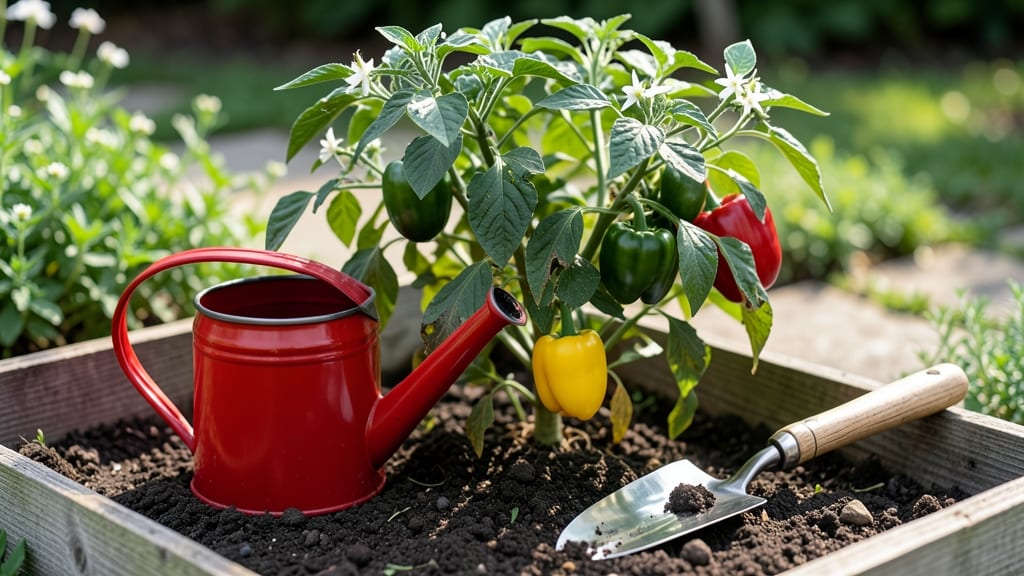
Your pepper plants are sending an SOS with those drooping leaves—and it’s fixable. 🌿 Wilting pepper leaves usually mean one of three things: too much water, not enough water, or something sneaky like pests or disease.
I’ve nursed back more than my fair share of sad-looking peppers, and I’ll walk you through the quick checks to diagnose the problem in minutes. Start by sticking your finger an inch into the soil—if it’s soggy, you’re overwatering; if it’s bone-dry, you’re underwatering.
Then flip the leaves to check for tiny bugs or strange spots. Most wilting fixes boil down to adjusting water, light, or air flow, but the key is acting fast before the whole plant gives up.
By the end of these three steps, you’ll see those leaves perking up within 24-48 hours—sometimes even faster. The secret is treating the root cause, not just the symptom, so your peppers can get back to growing strong, productive, and full of flavor.
This works for container peppers, raised beds, or in-ground plants. Let’s get those leaves standing tall again—your harvest depends on it.
Root Causes Of Drooping Pepper Plants
When your pepper plants start looking sad with wilting leaves, it’s usually a sign that something’s off—often at the root of the problem (literally!). Understanding the why behind the wilt helps you take fast, targeted action.
Below, we break down the most common culprits, from environmental stressors to hidden pests, with science-backed explanations so you can diagnose and fix the issue before it’s too late.
Pepper plants are sensitive to soggy roots, and overwatering is one of the fastest ways to trigger wilting. Here’s what’s happening:
- Root suffocation: Too much water displaces oxygen in the soil, forcing roots to "drown." Without oxygen, roots can’t absorb nutrients or water efficiently, leading to cellular stress and wilting. Think of it like trying to breathe underwater—your plant’s roots are gasping for air!
- Fungal infections: Excess moisture creates the perfect breeding ground for Phytophthora (a water mold) and Pythium, which rot roots and block water transport. Look for mushy, dark roots or a foul smell—these are red flags.
- Compacted soil: Heavy or clay-like soil doesn’t drain well, trapping water around roots. Even if you’re not overwatering, poor drainage mimics the effects.
Actionable fix: Let the top 1–2 inches of soil dry out between waterings, and amend heavy soil with perlite or compost to improve aeration. If roots are rotting, repot in fresh, sterile potting mix.
Wilting can also signal severe dehydration, especially in hot, dry conditions. Here’s the science:
- Turgor pressure loss: Plant cells rely on water to stay rigid (this is called turgor pressure). When soil dries out, cells lose water and collapse, causing leaves to droop. Peppers are succulents but still need consistent moisture to thrive.
- Transpiration overload: On scorching days, plants lose water faster than roots can replenish it. If the soil is bone-dry, roots can’t keep up, and wilting follows.
- Heat shock: Temperatures above 90°F (32°C) can scorch leaves, causing them to wilt even if the plant is hydrated. Peppers native to tropical climates still need shade during peak heat.
Actionable fix: Water deeply in the morning to reduce evaporation, and mulch around the base to retain moisture. Move potted peppers to partial shade during heatwaves, and check soil moisture with your finger—if it’s dry past 1 inch, it’s time to water.
Pepper plants are tender perennials that hate sudden temperature drops. Here’s how chilly conditions cause wilting:
- Cell membrane damage: Cold temperatures cause water in plant cells to crystallize, rupturing cell walls. This disrupts nutrient flow and leads to wilting or blackened leaves.
- Reduced root activity: Below 50°F (10°C), pepper roots slow down or stop absorbing water entirely. Even if the soil is moist, the plant can’t take it up, causing wilting.
- Frostbite: Freezing temps (32°F/0°C) can kill leaves outright, but even near-freezing conditions stress the plant, leading to droopy, discolored foliage.
Actionable fix: Protect peppers from frost with row covers or move containers indoors overnight. If leaves are already damaged, trim them back to encourage new growth. Avoid planting peppers until soil temps are consistently above 55°F (13°C).
Hidden invaders can strangle your pepper’s water supply before you even notice. Common culprits:
- Root-knot nematodes: These microscopic worms burrow into roots, creating galls (lumpy growths) that block water and nutrient flow. Infested roots look knobby and brown.
- Fungal root rot: Pathogens like Fusarium or Verticillium clog root vessels, preventing water uptake. Look for yellowing leaves, stunted growth, and roots that crumble when touched.
- Cutworms or slugs: These pests chew through roots or stems at night, severing the plant’s connection to water. You might find half-eaten leaves or silvery slime trails.
Actionable fix: Inspect roots when repotting or if wilting persists. Treat nematodes with neem oil or solarize soil (cover with plastic for 4–6 weeks to bake out pathogens). For pests, use organic slug bait or diatomaceous earth around the base.
Wilting can also signal a hunger strike—or a poisonous overdose. Peppers need a balanced diet, and imbalances show up fast:
- Nitrogen deficiency: Leaves turn yellow (chlorosis) and wilt as the plant can’t produce enough chlorophyll for energy. Older leaves droop first.
- Potassium or magnesium deficiency: These minerals regulate water movement in cells. A lack causes leaf scorch (brown edges) and wilting, even if soil is moist.
- Salt buildup: Over-fertilizing or using tap water high in minerals leads to osmotic stress, where roots can’t absorb water properly. Soil may look crusty or white.
Actionable fix: Test soil pH (peppers prefer 6.0–6.8) and amend with compost or a balanced fertilizer (like 10-10-10). Flush soil with rainwater if you suspect salt buildup. Avoid synthetic fertilizers if wilting persists—organic options are gentler.
Even mechanical stress can cause wilting. Common triggers:
- Root disturbance: When you repot or transplant peppers, roots get damaged, slowing water uptake. New roots take 2–3 weeks to regrow.
- Wind or hail: Physical trauma to stems or leaves disrupts the plant’s vascular system, causing wilting. Check for bruised or torn foliage.
- Over-pruning: Removing too many leaves at once reduces the plant’s ability to photosynthesize, leading to stress and wilting.
Actionable fix: Handle plants gently during transplanting, and avoid pruning more than 1/3 of the foliage at once. Protect young plants from wind with stakes or mesh. If stems are broken, trim damaged sections with clean pruners.
Revive Your Pepper Plants Now
Wilted pepper leaves don’t mean your plant is doomed—often, they’re just crying out for a little TLC. Whether your peppers are drooping from overwatering, thirst, pests, or disease, these targeted fixes will help them bounce back.
Below, we’ve matched the most common causes to easy, actionable solutions, plus tips to keep your plants thriving long-term.
Fix: Let the soil dry out before watering again, and improve drainage to prevent root rot.
- 🔥 Pause Watering Immediately
- Stop adding water for 2–3 days to let soggy soil dry. Stick your finger 1–2 inches deep—if it’s damp, wait longer.
- Pro Tip: 💡 Use a moisture meter for accuracy, especially in clay pots where water pools.
- 🍳 Repot if Needed
- If the soil smells foul or roots look mushy, repot in fresh, well-draining potting mix (add perlite or sand if your soil is heavy).
- Choose a pot with drainage holes—no exceptions!
- ⏰ Adjust Your Watering Routine
- Water deeply but infrequently: Aim for 1–1.5 inches of water per week (less in humidity or rain).
- Prevention: 🌡️ Water in the morning so excess evaporates, and avoid saucers that trap moisture.
Fix: Rehydrate gently and protect your peppers from scorching sun or dry air.
- 👨🍳 Give Them a Cool Drink
- Water slowly at the base (not overhead) until it drains from the bottom. Repeat every 2–3 days if the soil feels bone-dry.
- For severe wilting: Submerge the pot in 2 inches of water for 10–15 minutes to revive roots.
- 🥘 Provide Shade Relief
- Move pots to partial shade (50% sun) for 3–5 days if leaves feel crispy or sunburned.
- Use shade cloth or a sheer curtain if outdoor temps exceed 90°F (32°C).
- 🎯 Boost Humidity
- Place a tray of pebbles with water under the pot, or mist leaves early in the day (avoid evening to prevent fungal risks).
- Prevention: 💡 Group peppers together to create a microclimate, or use a humidifier nearby.
Fix: Isolate the plant and attack pests with natural or chemical solutions.
- 🔪 Quarantine & Inspect
- Move the pepper to a separate area to prevent spread. Check undersides of leaves for tiny bugs or webbing.
- 🍳 Blast Off Pests
- For mild infestations: Spray with neem oil (1 tsp + 1 quart water + drop of dish soap) or soapy water (1 tbsp mild soap per gallon).
- For severe cases: Use insecticidal soap or pyrethrin spray (follow label instructions).
- ✨ Prevent Future Attacks
- Introduce beneficial insects like ladybugs or lacewings.
- Prevention: 🌡️ Keep plants healthy—stressed peppers attract pests! Prune yellowing leaves regularly.
Fix: Improve airflow, remove infected parts, and treat with fungicides.
- 🔪 Trim the Damage
- Snip off wilting or spotted leaves with sterilized scissors (dip in rubbing alcohol). Dispose of clippings away from the garden.
- 🍳 Fungicide Treatment
- Spray with copper fungicide or baking soda mix (1 tsp baking soda + 1 quart water + dash of soap).
- For bacterial spot, use streptomycin (last resort—rotate with organic options).
- 🎯 Boost Plant Immunity
- Space plants 18–24 inches apart for airflow.
- Prevention: 💡 Water at the base (not leaves) and avoid overhead sprinklers. Remove plant debris after harvest.
If your pepper is severely wilted but stems are still firm:
- Prune 1/3 of the plant to reduce stress.
- Fertilize lightly with balanced 10-10-10 (half-strength) to rebuild energy.
- Mulch with straw to retain moisture and cool roots.
🌱 Prevention for Next Time
- Test soil every 2–3 months (ideal pH: 6.0–6.8 for peppers).
- Rotate crops yearly to prevent disease buildup.
- Hardening off seedlings gradually before transplanting.
With these fixes, your peppers should perk up in 3–7 days. Keep an eye on them, and soon you’ll be harvesting juicy, vibrant peppers instead of wilting leaves! 🌿🔥
Frequently asked questions
Why do my pepper leaves wilt in the afternoon but look fine in the morning?
This classic pattern usually means underwatering or heat stress. During the day, peppers lose water through transpiration faster than roots can absorb it from dry soil. Check soil moisture—if it's bone-dry below 1 inch, water deeply in the morning. For extreme heat (90°F+), provide afternoon shade to prevent further stress.
Can I save peppers with completely mushy stems and blackened leaves?
Unfortunately, this indicates advanced root rot or bacterial wilt, which are usually irreversible. However, if only the leaves are black but stems are still firm, trim all foliage (sterilize your scissors!) and repot in fresh, sterile soil. For future plants, ensure proper drainage and avoid overhead watering to prevent fungal spread.
How do I tell if wilting is from pests vs. water issues?
Flip leaves to check for tiny bugs, webbing, or sticky residue (aphids/spider mites). Water-related wilting usually affects entire plants uniformly, while pests often target specific leaves. Test soil moisture too—if roots are dry, it's thirst; if they're soggy, it's overwatering. For pests, isolate the plant and treat with neem oil or insecticidal soap.
Will my peppers recover if I fix the problem late in the season?
Peppers can bounce back surprisingly fast—often within 3-5 days if you address the root cause. However, late-season wilting may reduce fruit production since energy goes to recovery instead of peppers. Focus on saving the plant for next year: trim damaged foliage, improve soil health with compost, and harvest any mature peppers before the first frost (32°F/0°C).
Why do my container-grown peppers wilt faster than in-ground plants?
Containers dry out 3-5x faster than garden beds and have limited root space. Check soil every morning—if the top ½ inch is dry, water immediately. Use pots with drainage holes and upgrade to larger containers as plants grow. Mulch the soil surface and group pots together to create humidity. Consider self-watering containers for consistent moisture.