
Companion Plants
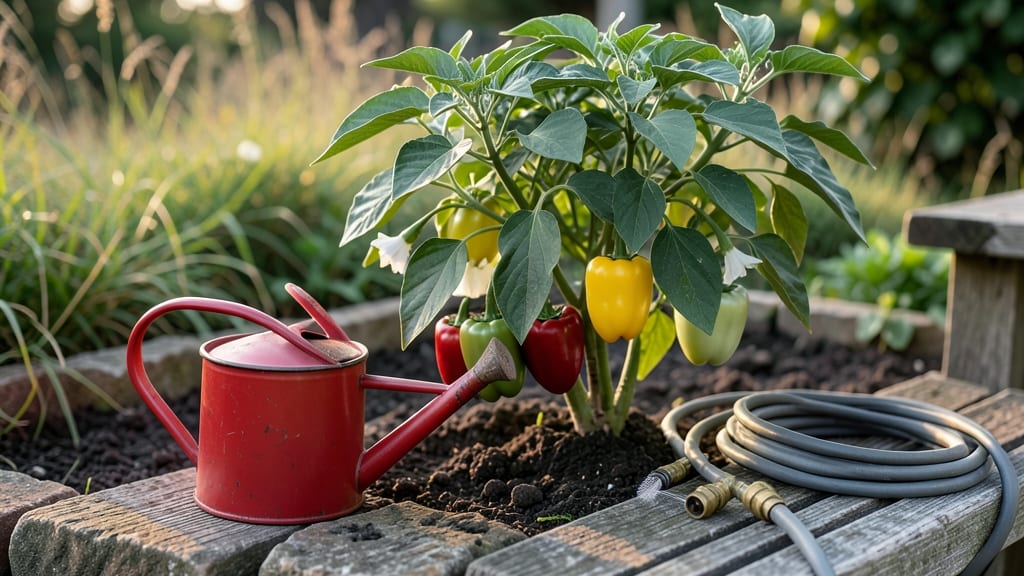
Reviving wilting pepper plants starts with a quick check under the leaves—this is where the clues hide. 🌿 The first step isn’t guessing; it’s observing whether the soil feels bone-dry or soggy, or if pests are sucking the life out of stems.
I’ve seen plants bounce back in 24 hours with the right fix, but the real trick is catching the problem early before it spreads.
Most wilting stems from either too much water (roots drowning) or too little (roots starving), but check for yellowing leaves too—that’s often a sign of overwatering or nutrient burn. If the plant still feels firm but droopy, it might just need shade from the midday sun.
The key is acting fast: once leaves turn crispy or black, recovery gets harder. You’ll see new growth within a week if you adjust watering, trim dead foliage, and give them a balanced fertilizer boost.
The goal is to restore moisture balance without shocking the plant further—think of it like CPR for your peppers. A little pruning can also help by improving airflow and reducing stress. This works for both container-grown and in-ground peppers, and the same principles apply to tomatoes too.
The faster you diagnose, the faster they’ll perk up—sometimes literally overnight. Let’s get those plants back in shape!
Root Causes of Wilting Peppers
Understanding why your pepper plants are wilting is the first step to saving them. Peppers are resilient, but they send distress signals when something’s off—often through drooping leaves or limp stems. Let’s break down the science-backed reasons behind the wilt and what’s really going on in your garden.
---
Pepper plants hate soggy roots. Unlike drought-tolerant succulents, peppers thrive in consistently moist (not waterlogged) soil.
When roots sit in excess water, they suffocate due to lack of oxygen, leading to: - Root rot (fungal/bacterial infections like Phytophthora or Pythium). - Nutrient starvation (waterlogged soil flushes out essential minerals). - Weak cell structure (excess water dilutes the plant’s ability to absorb nutrients).
Signs to watch for: - Yellowing leaves (chlorosis) starting at the bottom. - Soil that stays muddy or smells foul even hours after watering. - Plants that wilt even when the soil is wet.
Pepper roots need air! A quick test: Stick your finger 1–2 inches deep—if it’s damp but not drenched, you’re golden. If it’s like a swamp, drainage is your enemy.
---
Peppers are semi-arid plants native to Central/South America, where they evolved to handle short bursts of drought. But when they’re chronically dehydrated, they wilt as a survival tactic to reduce water loss.
Here’s the science: - Turgor pressure drops: Cells lose water, causing leaves to flop like a deflated balloon. - Stomata close: Pores on leaves shut to conserve moisture, halting photosynthesis. - Heat shock: Temperatures above 90°F (32°C) increase evaporation rates, making wilting worse.
Red flags: - Crispy leaf edges (from severe dehydration). - Soil pulls away from pot edges (bone-dry). - Wilting worse in the afternoon (heat stress peaks).
Pro tip: 💡 Mulch heavily with straw or wood chips to retain moisture and water deeply in the morning (not evening) to reduce evaporation.
---
Peppers are heavy feeders, especially during fruiting. A deficiency in key nutrients disrupts cellular function, leading to wilting. The big culprits: - Nitrogen (N): Leads to yellowing lower leaves (oldest first) and weak stems.
Without N, chlorophyll production plummets. - Potassium (K): Critical for water regulation and disease resistance.
Low K = wilting even with adequate water (cells can’t retain moisture). - Calcium (Ca): Poor Ca = blossom-end rot (though symptoms start with crispy leaf edges and stunted growth). - Magnesium (Mg): Causes interveinal chlorosis (yellowing between veins), weakening the plant’s structure.
How to spot it: - Slow recovery after watering (nutrient issues persist even when hydrated). - Purple or red stems/leaves (phosphorus deficiency, often paired with poor root health). - Stunted new growth despite regular watering.
Fix it fast: 🌡️ Test your soil (or use a DIY kit) and amend with balanced fertilizer (like 10-10-10) or Epsom salt (for Mg). For Ca, try crushed eggshells or lime.
---
Wilting can be a silent symptom of hidden pests or pathogens. Here’s what’s likely lurking: - Aphids/Spider Mites: Sap-sucking pests disrupt nutrient flow, causing leaves to wilt and curl.
They thrive in hot, dry conditions. - Root-Knot Nematodes: Microscopic worms that feed on roots, reducing water uptake.
Infested roots look gnarled and stunted. - Fungal Infections (e.g., Verticillium or Fusarium wilt): Block xylem vessels (the plant’s water highways), causing sudden, irreversible wilting (even when soil is moist).
Clues to investigate: - Sticky residue on leaves (aphids). - Fine webbing (spider mites). - Black streaks in stems (fungal wilt). - Mushy roots when pulled gently from soil.
Act now: 🎯 Isolate affected plants, spray with neem oil (for pests), or apply fungicide (copper-based for wilt diseases). For nematodes, solarize soil (cover with clear plastic for 4–6 weeks in summer).
--- Peppers are sensitive to extreme conditions. Sudden changes in temperature, humidity, or wind can cause wilting, even if the soil is fine: - Temperature swings: Below 50°F (10°C) or above 100°F (38°C) shut down metabolic processes. - Low humidity: Peppers prefer 40–60% humidity.
Below 30% = leaf desiccation (they dry out like a raisin). - Windburn: Strong winds increase transpiration (water loss), leading to wilting, especially in young plants.
What to look for: - Wilting only in certain spots (e.g., north side of plants exposed to wind). - Leaf scorch (brown, crispy edges). - Slow recovery even after watering.
Quick fixes: ✨ Shade cloth (30–50%) for heat stress. ✨ Windbreaks (bamboo screens or straw bales). ✨ Misting (early morning only) to boost humidity.
Quick Fixes for Struggling Peppers
Reviving wilting pepper plants starts with diagnosing the root cause—but once you know why they’re drooping, the fixes are often simple and fast. Below, we break down practical solutions for each common problem, plus prevention tips to keep your peppers thriving long-term.
Think of this as your emergency repair kit for droopy, sad-looking peppers!
---
Fix: Let them dry out and improve drainage. Peppers hate soggy roots—too much water cuts off oxygen, leading to wilting and even rot. Here’s how to rescue them:
1. Stop watering immediately and let the soil dry out for 24–48 hours. Stick your finger 1–2 inches deep; if it’s damp, wait longer. 2. Check your pots or soil: If water pools at the bottom of containers, drill drainage holes.
For garden beds, amend soil with perlite or coarse sand (1 part perlite to 3 parts soil) to improve airflow. 3. Repot if needed: If roots are mushy or the soil smells foul, transfer the plant to fresh, well-draining potting mix.
Trim any black, squishy roots with sterilized scissors (🔪). 4. Water only when the top inch of soil is dry. Use a moisture meter for accuracy!
Prevention tips: - Water deeply but less often—peppers prefer dry spells between drinks. - Use self-watering pots with a moisture sensor to avoid overdoing it. - Mulch around plants (with straw or wood chips) to regulate soil moisture.
---
Fix: Shade and hydration boost. Wilting in scorching heat isn’t always thirst—it’s sunburn or heat shock. Act fast:
1. Move plants to partial shade (dappled sunlight or 50% shade cloth) for 3–5 days. Avoid harsh afternoon sun. 2. Mist leaves lightly in the early morning or late evening to cool them down (avoid midday misting—it causes fungal issues).
3. Water at the base (not overhead) with lukewarm water to reduce stress. Add a mulch ring (3–4 inches of straw) to keep roots cool. 4. Prune sun-scorched leaves (brown, crispy patches) with clean shears to redirect energy to healthy growth.
Prevention tips: - Hardening off seedlings gradually before transplanting (expose them to sun for 1–2 hours daily, increasing time over a week). - Choose heat-tolerant varieties like ‘Carmen’ or ‘Aristotle’ if you live in hot climates. - Use reflective mulch (white plastic or aluminum foil) to bounce back sunlight in extreme heat.
---
Fix: Give them space to breathe. If roots are circling the pot or competing with weeds, they’ll wilt from lack of nutrients and oxygen. Here’s how to free them:
1. Gently remove the plant from its pot and inspect the roots. If they’re tightly coiled or poking out of drainage holes, it’s time to upgrade. 2. Repot into a container 2–3 inches larger with fresh potting mix.
Loosen any tangled roots with your fingers (no need to trim unless they’re mushy). 3. Add compost or worm castings to the new soil for a nutrient boost. Avoid heavy garden soil—it compacts easily.
4. Water lightly after repotting and keep the plant in bright, indirect light for a week to reduce shock.
Prevention tips: - Repot every 1–2 years or when roots outgrow the container. - Use fabric pots (they allow roots to breathe and can be split open for inspection). - Interplant with fast-growing companions like basil or marigolds to deter weeds and improve airflow.
---
Fix: Isolate, treat, and restore health. Wilting can be a silent sign of root damage from pests (aphids, spider mites) or diseases (fusarium wilt, verticillium). Act quickly:
1. Inspect roots and soil: Look for chewed roots, sticky residue (aphids), or fungal growth (white mold, black spots). 2. Isolate the plant to prevent spreading. Remove nearby weeds or infected plants.
3. Treat pests: - Soapy water spray (1 tsp mild soap per quart of water) for soft-bodied insects. - Neem oil solution (1 tbsp neem oil + 1 tsp dish soap per quart of water) for fungal issues.
Spray roots and soil. 4. For fungal diseases: Apply baking soda spray (1 tsp baking soda + 1 quart water + a few drops of soap) weekly. 5. Boost immunity: Water with a compost tea or kelp fertilizer to strengthen roots.
Prevention tips: - Rotate crops yearly to prevent soil-borne diseases. - Use raised beds for better drainage and pest control. - Plant pest-repelling companions like nasturtiums or garlic nearby.
---
Fix: Feed them right for a quick comeback. Wilting can signal hunger—especially for nitrogen (leafy growth) or potassium (root health). Try this:
1. Test your soil with a simple kit (available at garden centers) to check pH (ideal: 6.0–6.8) and nutrient levels. 2. Fertilize with a balanced liquid feed (like 10-10-10) or a pepper-specific fertilizer (high in phosphorus and potassium). Dilute to half-strength to avoid burning roots.
3. Add organic matter: Mix in well-rotted compost or fish emulsion (1 tbsp per gallon of water) for a slow-release boost. 4. Avoid over-fertilizing—yellow leaves or crisp edges mean you’ve overdone it. Flush the soil with water to dilute excess salts.
Prevention tips: - Side-dress plants with compost every 4–6 weeks during the growing season. - Use slow-release granules (like Osmocote) for steady nutrition. - Rotate crops to prevent nutrient depletion in the soil.
--- Pro Tip: 💡 If your peppers are wilting but the soil is dry, they might be suffering from transpiration stress (losing water faster than they can absorb it). Trim a few lower leaves to reduce water loss while the plant recovers!
Frequently asked questions about reviving pepper plants
How quickly can I expect my pepper plants to perk up after fixing the problem?
With the right care, you’ll often see improvement within 24 hours—especially if the issue was simple dehydration or mild heat stress. For root rot or severe nutrient deficiencies, recovery may take 1-2 weeks as new roots and leaves regrow. Prune damaged foliage to help redirect energy to healthy growth.
Can I save a pepper plant if the leaves are already turning black or crispy?
It depends! If only the leaf edges are crispy (from dehydration or salt buildup), trim those leaves and adjust watering. But if large sections are black and mushy (fungal rot), the plant may be beyond saving. Focus on preventing spread to other plants by removing infected foliage immediately and improving airflow.
What’s the best way to test if my pepper plant needs water?
Use the finger test: Stick your index finger 1-2 inches deep into the soil. If it feels dry, water thoroughly. For container plants, lift the pot—if it feels light, it’s time. Pro tip: Water in the morning so leaves dry quickly, reducing fungal risks.
Will pruning help my wilting pepper plants recover faster?
Yes! Pruning 30-50% of the foliage (especially yellow or damaged leaves) reduces water loss and helps the plant redirect energy to root recovery. Focus on lower leaves first—they’re often the first to show stress. Use clean, sharp shears to avoid tearing stems.
Can I use coffee grounds to revive my pepper plants?
Coffee grounds can help, but use them wisely! Mix 1 part grounds to 3 parts soil as a top dressing—they’re high in nitrogen but can compact soil if overused. Avoid fresh grounds (they’re acidic) and never apply directly to leaves. For wilting plants, focus first on water and drainage fixes.