
Picking
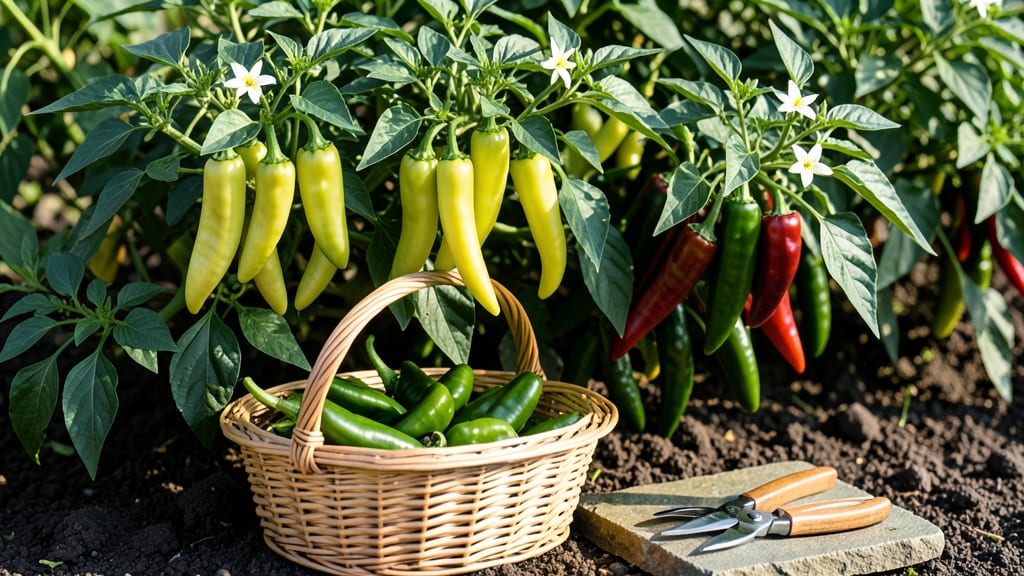
Growing banana peppers vs. jalapeños reveals two wildly different peppers that share a garden plot but deliver totally distinct flavors and heat levels. 🌶️ I’ve grown both for years, and while they’re both easygoing, their care needs and culinary roles couldn’t be more different—one’s a mild snack pepper, the other a fiery kick in dishes.
The choice depends on what you want from your harvest and how you plan to use them.
Banana peppers thrive in well-draining soil with consistent moisture but hate soggy roots, while jalapeños tolerate slightly drier conditions once established. Both need full sun (6-8 hours daily) and benefit from a late-winter transplant into the garden after frost.
Spacing matters too: banana peppers can crowd at 18 inches apart, but jalapeños need 2-3 feet to sprawl comfortably. Pest-wise, banana peppers attract fewer critters, while jalapeños may draw more attention from hungry deer or rabbits.
Harvest banana peppers when they’re 3-4 inches long and still firm, as they turn sweeter and milder the longer they stay on the vine. Jalapeños, on the other hand, pack more heat when picked young and green but develop deeper flavor if left to ripen red.
Both store well in the fridge for weeks, but banana peppers keep their crunch longer, while jalapeños intensify in heat over time.
Plant both together for a dual-purpose harvest: use banana peppers fresh in salads or pickled for snacks, and jalapeños for salsas, hot sauces, or grilling. They’re compatible in the garden too, as their different growth habits actually complement each other—banana peppers fill vertical space, while jalapeños spread wider.
The best part? You’ll end up with a pantry stocked for everything from mild to medium heat.
The first option explained
Option A: Banana Peppers—the sweet, mild, and versatile peppers that bring a delicious crunch to your dishes without the fiery punch. 🌶️😋 If you love a little heat but prefer a gentler kick, these golden-yellow peppers are your go-to! Let’s dive into why they’re a kitchen staple.
🌟 Key Characteristics
- Heat Level: Mild (0-500 Scoville Heat Units)—think sweet, tangy, and just a whisper of spice.
- Flavor Profile: Bright, slightly sweet, with a crisp texture when fresh and a tangy bite when pickled.
- Appearance: Small, curved, and yellow when ripe (though green versions are also common).
- Size: Typically 2-4 inches long, perfect for snacking or slicing.
💪 Benefits of Banana Peppers
Beyond their mild heat, banana peppers pack a punch of nutritional perks:
- 📊 Low in calories but rich in vitamins A, C, and K.
- 💪 Antioxidant powerhouses—great for immune support.
- 🌱 Easy to grow—ideal for home gardens or container planting.
🍽️ Typical Use Cases
Banana peppers shine in a variety of dishes, from savory to sweet:
- Pickled: A classic snack or topping for sandwiches and burgers.
- Fresh: Sliced into salads, salsas, or stir-fries for a mild crunch.
- Stuffed: Perfect for cheese or meat-stuffed appetizers.
- Cooked: Sautéed in pasta, pizza, or even baked into dips.
💡 Pro Tip: For extra flavor, try roasting banana peppers to bring out their natural sweetness!
The second option explained
Option B: Jalapeños – The Bold, Spicy Workhorse of the Pepper World 🌶️🔥
If you're craving a pepper that packs a punch with a classic kick, jalapeños are your go-to choice. These medium-hot peppers are a staple in kitchens worldwide, prized for their versatility, heat, and distinctive flavor profile.
📊 Key Characteristics
- Heat Level: 2,500–8,000 Scoville Heat Units (SHU). A mild-to-moderate heat that’s noticeably spicier than banana peppers but far tamer than ghost peppers.
- Flavor Profile: Bright, grassy, and slightly earthy with a crisp, fresh finish. Unlike banana peppers, jalapeños offer a bold green pepper taste with a lingering warmth.
- Appearance: Typically 2–3 inches long, oval-shaped, and green when fresh (though they can turn red or yellow when fully ripe). Their glossy skin is smooth and slightly waxy.
- Texture: Firm and crunchy when raw, with a tender, meaty bite when cooked.
💪 Benefits of Jalapeños
Beyond their fiery reputation, jalapeños bring a lot to the table (or grill!):
- Nutrient-Packed: Rich in vitamins A, C, and K, plus potassium and antioxidants. 📊 A single pepper provides nearly 100% of your daily vitamin C needs!
- Digestive Boost: Capsaicin (the compound that makes them hot) may aid digestion and metabolism.
- Versatile Cooking: Works raw, pickled, grilled, stuffed, or blended into sauces, salsas, and even cocktails.
- Long Shelf Life: Fresh jalapeños last 1–2 weeks in the fridge, while pickled versions can stay fresh for months.
🍳 Typical Use Cases
Jalapeños are the chameleons of the spice world—equally at home in savory dishes or bold flavors:
- Raw: Sliced into salads, tacos, or guacamole for a fresh, zesty crunch.
- Pickled: The star of jalapeño poppers, margaritas, or as a tangy topping for sandwiches.
- Grilled or Roasted: Charred jalapeños add smoky depth to queso dip, pizzas, or grilled meats.
- Stuffed: Filled with cheese, rice, or beans for a spicy, handheld appetizer.
- Sauces & Salsas: Blended into hot sauce, salsa verde, or even pesto for a fiery twist.
- Preserved: Fermented into jalapeño jelly or candied for sweet-and-spicy desserts.
Pro Tip: 🌡️ For milder heat, remove the seeds and membranes before using—this cuts the spice by up to 50%! If you love jalapeños but want to experiment, try roasting them for a sweeter, caramelized flavor.
Key differences
Ready to dive into the spicy showdown? Whether you're a home gardener or a kitchen enthusiast, understanding the between banana peppers and jalapeños will help you pick the perfect pepper for your dish—or your garden! Here’s a breakdown of what sets these two apart:
🌶️ Heat Level: Mild vs. Medium Spice
If you’re sensitive to heat, this is your first clue! Banana peppers are the gentle giants of the pepper world, ranking around 0–500 Scoville Heat Units (SHU)—similar to a mild bell pepper.
They pack a subtle tang without the burn, making them ideal for pickling, stuffing, or slicing into salads.
On the other hand, jalapeños bring the heat with 2,500–8,000 SHU, offering a sharp, fiery kick that can range from "noticeable" to "downright spicy" depending on the variety. Pro tip: 🌡️ Always taste a jalapeño before using it—some can surprise you with extra heat!
🍽️ Flavor Profile: Sweet vs. Bold and Tangy
Flavor is where these peppers truly shine—or don’t, depending on your preference! Banana peppers deliver a sweet, mild, and slightly tangy taste with a crisp texture, often compared to a cross between a bell pepper and a pickled pepper.
They’re versatile in both raw and cooked dishes, adding a bright pop without overpowering. Jalapeños, however, offer a bold, grassy, and slightly earthy flavor with a hint of smokiness when charred.
Their tangy punch makes them a staple in salsas, hot sauces, and grilled meats. Pro tip: ✨ Roast a jalapeño to mellow its heat and deepen its flavor—it’s a game-changer!
🌱 Appearance: Shape, Size, and Color
Don’t let their names fool you—these peppers look nothing alike! Banana peppers are long, thin, and curved, resembling a tiny, yellow banana (though they can also be red or green when ripe).
They’re usually 2–4 inches long and have a smooth, slightly waxy skin. Jalapeños, meanwhile, are shorter, stouter, and more blocky, typically 3–6 inches long, with a thicker wall and a tapered end.
Their color shifts from green to red as they ripen, adding a vibrant touch to any dish. Pro tip: 🎯 Red jalapeños are often sweeter and slightly hotter than green ones—pick based on your mood!
📊 Nutrition: Vitamins, Fiber, and More
Beyond flavor and heat, these peppers pack a nutritional punch!
Both are low in calories but high in vitamins and antioxidants. Banana peppers are a great source of vitamin C (10% DV per pepper), vitamin K, and fiber, with minimal heat to irritate sensitive stomachs. Jalapeños also offer vitamin C (10% DV), vitamin A, and capsaicin, which may boost metabolism and reduce inflammation.
However, their heat can be a downside for some—especially if you’re prone to heartburn. Pro tip: 💪 Pair jalapeños with probiotic foods (like yogurt) to balance their spicy effects!
🌿 Growing Conditions: Sun, Soil, and Patience
If you’re growing your own, here’s what you need to know. Banana peppers thrive in full sun (6–8 hours daily) and well-draining soil with a pH of 6.0–7.0.
They’re more cold-hardy than jalapeños, tolerating temperatures down to 28°F (-2°C). Jalapeños, however, prefer warmth (70–85°F / 21–29°C) and struggle in frost.
They also need consistent moisture but can be finicky about soil—too much nitrogen leads to leafy growth with fewer peppers. Pro tip: 🌱 Start jalapeños indoors 8–10 weeks before the last frost for a head start!
When to choose which
Choosing between banana peppers and jalapeños can elevate your dish—or completely change its vibe! Here’s when to pick each for maximum flavor and fun:
🍳 Use Banana Peppers When:
- You want sweetness with a mild kick: Perfect for pizza, stuffed peppers, or salads where you want a crunchy, tangy bite without overwhelming heat.
- You’re cooking for kids or sensitive eaters: Their low Scoville rating (0–500 SHU) makes them a crowd-pleaser in pickles, relishes, or dips.
- You need a pop of color: Their bright yellow-orange hue adds visual appeal to tacos, pasta dishes, or charcuterie boards.
🔥 Use Jalapeños When:
- You crave a medium heat boost: Ideal for salsas, nachos, or grilled meats where a little spice enhances the flavor without dominating.
- You’re making bold, smoky, or charred dishes: Roasting or grilling jalapeños intensifies their earthy, slightly fruity notes—think queso, chili, or margaritas!
- You’re experimenting with heat levels: Remove seeds/membranes for milder heat or keep them for a spicier punch.
💡 Pro Tip: For balanced heat and sweetness, try blending both—stuff banana peppers with jalapeño-infused cheese or mix them into a spicy-sweet salsa!
The bottom line
So, which pepper reigns supreme in your kitchen? Banana peppers bring a sweet, mild crunch perfect for pickling, salads, or stuffing, while jalapeños pack a spicy kick ideal for salsas, grilling, or hot sauces. 🌶️
Need a decision guide?
- Pick banana peppers if you love flavor without heat or need them for pickling.
- Go for jalapeños if you crave heat and versatility in dishes.
- Both grow easily—just adjust care for their needs!
No wrong choice here—just pick your favorite and get cooking! 🍴