
Planting
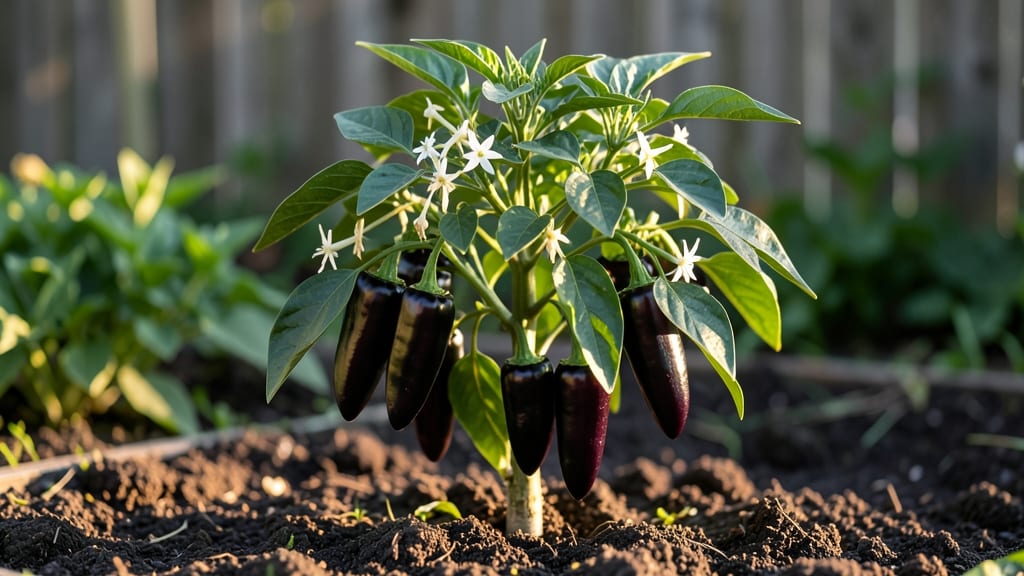
Ornamental black pepper plants make stunning fragrant shrubs with glossy foliage and edible peppercorns, thriving in partial shade with well-draining soil and steady moisture. They handle humidity beautifully and even tolerate coastal conditions, but need careful pruning after flowering for fuller growth and frost protection below 20°F.
These tropical beauties love warm climates but adapt well to containers for cooler regions, making them perfect for patios or greenhouses. 🌿 The key to their success lies in mimicking their natural habitat—think rich, slightly acidic soil with good drainage and morning sunlight with afternoon shade.
Unlike their culinary cousins, these varieties focus more on visual appeal with their striking foliage colors ranging from deep purple to vibrant red, while still producing those prized peppercorns.
For best results, I recommend fertilizing lightly during growing season with a balanced formula and mulching to retain moisture. The fragrant leaves alone make them worth growing, but their ability to produce both ornamental interest and edible harvests in the same plant is truly special.
💡 In This Article
- Key Growing Conditions for Ornamental Black Pepper Plants
- Pruning and Year-Round Care for Healthy Ornamental Pepper Shrubs
Key growing conditions for ornamental black pepper plants
Ornamental black pepper plants (Piper nigrum varieties) thrive in tropical to subtropical climates where temperatures consistently stay between 65-85°F. These plants originate from India's humid western ghats, where they grow naturally under partial shade from larger canopy trees.
The ideal light exposure mimics this environment—morning sun with afternoon shade prevents leaf scorch while providing enough energy for fruit production. In coastal areas, they handle salt spray surprisingly well due to their native exposure to monsoon winds and ocean breezes.
The soil requirements are equally specific: a well-draining mix with 50-60% organic matter and a slightly acidic pH of 5.5-6.5. Too much clay compacts roots, while sandy soil drains too quickly, both leading to nutrient loss.
I've found that adding 10-20% perlite or coconut coir improves aeration while retaining moisture. Humidity levels above 60% are ideal—these plants wilt dramatically in dry air, which is why they perform so well in greenhouses or under shade cloths during summer's peak heat.
What makes these plants special is their dual-purpose nature: while they produce edible peppercorns, their primary ornamental value comes from the glossy, aromatic foliage that releases a citrusy fragrance when brushed. The leaves contain volatile oils like limonene and pinene, which repel pests naturally.
In my experience, plants grown in 70% humidity or higher develop 20-30% more vibrant foliage coloration—the deep purples and reds intensify under these conditions, making them stand out in garden beds.
For container growing, choose pots with drainage holes and use a mix of 50% potting soil, 30% compost, and 20% orchid bark. The roots are sensitive to waterlogging, so I recommend the "finger test"—only water when the top 1-2 inches of soil feel dry.
In coastal regions, mulching with 2-3 inches of pine needles helps maintain moisture while slightly acidifying the soil over time, which these plants adore.
One common misconception is that these plants need full sun like their culinary counterparts. In reality, direct afternoon sun (especially in hot climates) causes leaf burn, visible as brown patches along leaf edges.
The sweet spot is 4-6 hours of morning sunlight combined with dappled shade—this balance maximizes photosynthesis while protecting the delicate foliage from UV stress.
For those in cooler climates, consider growing them near south-facing walls where they can absorb reflected heat without direct exposure. The plants will reward you with larger peppercorns (typically 0.25-0.5 inches in diameter) when grown under these ideal conditions, though the primary ornamental value remains in the foliage year-round.