
Pests and Diseases
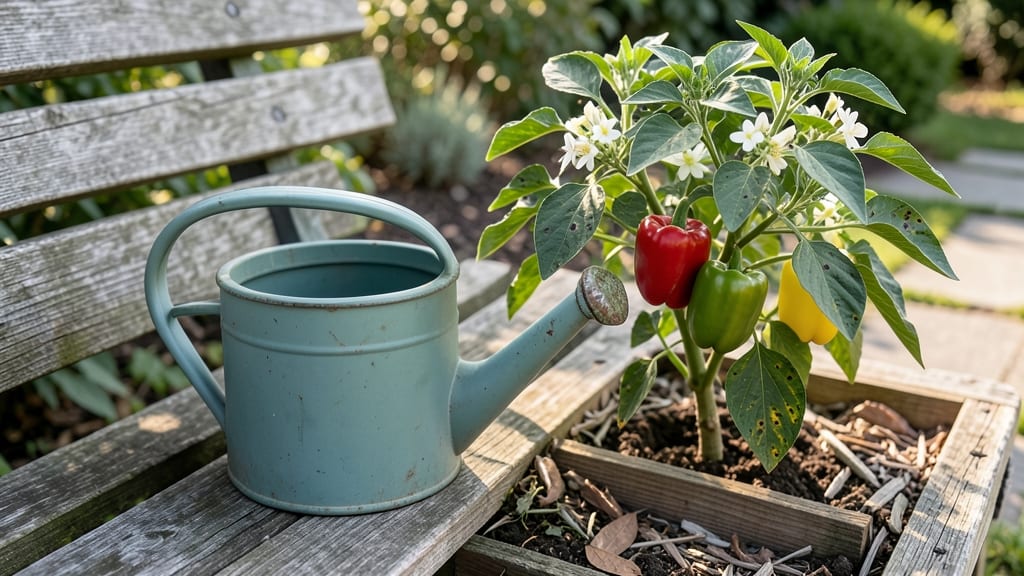
Bacterial leaf spot on peppers turns vibrant foliage into a sad, spotted mess faster than you can say "harvest." 🌱 I’ve watched this disease wipe out entire plants in just two weeks—until I discovered this organic spray solution that stops the spread in days. The key?
Catching it early and acting fast with copper-based sprays or baking soda mixtures. This isn’t just about spraying random stuff and hoping for the best. The spots start as tiny water-soaked marks, then turn yellow or brown with greasy edges—classic bacterial leaf spot.
Heavy rain or overhead watering spreads it like wildfire. But here’s the good news: proper sanitation and copper sprays can save your plants if you act before the spots multiply. You’ll see new growth emerge within 7-10 days of treatment, with leaves staying crisp and disease-free.
The spray works by disrupting the bacteria’s ability to cling to leaves, while pruning infected foliage cuts off the infection cycle. No more wilting plants or lost harvests—just healthy, productive peppers. Works for bell peppers, jalapeños, and even chili plants.
Here’s how to apply it without harming your plants or the environment. Let’s get those spots under control!
Root Causes of Pepper Leaf Spots
Bacterial leaf spot on peppers isn’t just a random nuisance—it’s the result of specific environmental and biological triggers. Understanding these causes is the first step to stopping the spread. Below, we break down the key factors that turn your pepper plants into a bacterial buffet.
Bacterial leaf spot thrives in hot, sticky weather, particularly when temperatures hover between 77–95°F (25–35°C) and humidity stays above 70%. Here’s why:
- Moisture buildup: High humidity creates a perfect breeding ground for bacteria like Xanthomonas campestris pv. vesicatoria, the usual culprit. The bacteria splashes from leaf to leaf via water droplets (rain, overhead irrigation, or dew).
- Slow drying: Peppers with thick foliage trap moisture longer, giving bacteria 24–48 hours to infect new tissue. Thin leaves dry faster, but dense canopies? Disaster waiting to happen.
- Stress = weakness: Heat stress weakens plant cell walls, making them easier targets for bacterial entry. Think of it like a door left ajar for burglars.
Actionable insight: If your area forecasts high heat + humidity, space plants wider (18–24 inches apart) to improve airflow and water at soil level (never overhead).
Overhead watering is the #1 way bacterial leaf spot spreads. Here’s the science:
- Bacterial "hitchhiking": Water droplets pick up bacteria from infected leaves or soil and fling them onto healthy ones—like a biological slingshot.
- Wet foliage = bacterial party: Leaves stay damp for hours, creating a film of water that bacteria swim through to invade stomata (tiny leaf pores).
- Nighttime watering = double trouble: Cool nights slow evaporation, so moisture lingers longer, giving bacteria more time to colonize.
Pro tip: Switch to drip irrigation or soaker hoses—90% less splash means 90% fewer spots. If you must hand-water, use a watering wand with a nozzle to direct streams to the base.
Peppers packed too closely can’t breathe, and that’s a red flag for bacteria. Why?
- Stagnant air = humidity trap: Without airflow, transpiration slows, and excess moisture clings to leaves instead of evaporating.
- Condensation buildup: In greenhouses or dense rows, temperature shifts (day vs. night) cause condensation on leaves, mimicking a bacterial shower.
- Stress from crowding: Competing plants weaken, producing lower-quality foliage that’s more susceptible to infection.
Fix it fast:
- 🔥 Thin plants to 12–18 inches apart (check your variety’s needs).
- 🌬️ Use fans in greenhouses or hot climates to mimic wind (even a small oscillating fan helps).
- 🌿 Prune lower leaves to improve airflow at the base (where spots often start).
Bacteria love a wounded host. Even minor damage can be an open invitation:
- Physical trauma: Hail, rough handling (like harvesting with sharp tools), or insect bites (e.g., from aphids or spider mites) create entry points for bacteria.
- Nutrient deficiencies: Low calcium or magnesium weakens cell walls, making them easier to penetrate. Look for yellowing between veins (a classic deficiency sign).
- Fungal hitchhikers: Often, fungi (like Alternaria) pre-infect leaves, and bacteria move in afterward when the plant’s defenses are down.
Preventative care:
- ✨ Use sharp, sterilized tools for pruning/harvesting (bleach solution works).
- 💪 Fertilize with compost tea or calcium-rich amendments (like crushed eggshells) to strengthen cell walls.
- 🐜 Control pests early—neem oil or insecticidal soap reduces bacterial entry points.
Key takeaway: Bacterial leaf spot doesn’t appear out of nowhere—it’s the result of perfect storm conditions. By controlling moisture, improving airflow, and reducing stress, you break the cycle before it starts. Next up: How to spot early signs and organic treatments to stop the spread in days.
Fixing Pepper Leaf Spots Fast
Bacterial leaf spot on peppers can spread like wildfire if left unchecked, but with the right approach, you can reverse the damage in days—even organically. The key is acting quickly, identifying the root cause, and applying targeted fixes.
Below, we break down cause-specific solutions to stop the spread and restore your plants to health.
If your peppers are soggy from overwatering or sitting in waterlogged soil, bacteria thrive in this damp environment. Fix it fast:
- 🌱 Step 1: Improve Drainage Immediately
- Move pots to a raised surface or add gravel or perlite to the soil mix to prevent water pooling.
- If in-ground, amend the soil with compost or sand to boost aeration.
- 💧 Step 2: Adjust Your Watering Routine
- Water only at the base of the plant (never overhead) to avoid wetting leaves.
- Use a soaker hose or drip irrigation to deliver water directly to roots.
- Water in the morning so leaves dry quickly—moisture at night invites bacteria.
- 🧼 Step 3: Disinfect Tools & Surroundings
- Sterilize pruners with rubbing alcohol (70% or higher) before trimming affected leaves.
- Remove and compost or trash severely infected foliage away from the garden.
💡 Pro Tip: Mulch with straw or wood chips to reduce soil splash onto leaves during watering.
If spots are oozing, yellowing, or spreading rapidly, you’re dealing with an active infection. Organic sprays are your best defense:
- 🥣 Step 1: Apply a Copper-Based Spray (Best for Bacterial Spot)
- Mix 1 tsp copper sulfate (or a pre-made copper fungicide like Copper Soap) with 1 gallon of water.
- Spray early in the morning on both leaf surfaces, focusing on undersides where bacteria hide.
- Reapply every 7–10 days until new growth appears healthy.
- 🍄 Step 2: Use a Baking Soda Solution (For Early-Stage Fungal/Bacterial Mix)
- Combine 1 tbsp baking soda, 1 tsp vegetable oil, and 1 gallon of water.
- Add a dash of dish soap as a sticker to help it cling.
- Spray every 5–7 days—it’s safe, non-toxic, and disrupts pathogen growth.
- 🌿 Step 3: Boost Plant Immunity with Neem Oil
- Mix 1 tbsp neem oil with 1 tsp mild soap and 1 quart of water.
- Spray at dusk (avoid direct sun) to prevent leaf burn.
- Repeat weekly for 2–3 weeks to strengthen defenses.
⚠️ Warning: Never use chemical fungicides like chlorothalonil on edible plants—stick to organic methods to keep your peppers safe for harvest!
If your entire crop is failing, contaminated seeds or gardening tools could be the silent culprit.
- 🧹 Step 1: Sterilize Everything
- Soak seeds in a 10% hydrogen peroxide solution (3% strength) for 10 minutes before planting.
- Bleach-wipe tools, pots, and trellises with a 1:10 bleach-water mix (rinse well).
- 🌱 Step 2: Start Fresh with Disease-Free Plants
- Replace infected plants with certified disease-resistant pepper varieties (e.g., ‘Aristotle,’ ‘Carmen’).
- If replanting, rotate crops—don’t plant peppers, tomatoes, or eggplants in the same spot for 2–3 years.
- 🚫 Step 3: Quarantine New Plants
- Keep new seedlings indoors for 2 weeks before transplanting to monitor for spots.
💡 Pro Tip: Solarize your soil in late summer by covering it with clear plastic for 4–6 weeks to kill lingering pathogens.
Once your peppers are healthy, prevent recurrence with these habits:
- 🌧️ Stay Dry: Avoid overhead watering—drip irrigation is a game-changer.
- 🌿 Prune Properly: Remove only the most infected leaves (don’t over-prune—stress invites more problems).
- 🕒 Time It Right: Plant peppers after the last frost when nights are cooler (bacteria love heat + humidity).
- 🔍 Inspect Weekly: Check undersides of leaves and new growth for tiny spots early.
✨ Final Thought: Bacterial leaf spot doesn’t have to mean game over—act fast, stay consistent, and your peppers will bounce back stronger. With these organic fixes, you’ll be back to harvesting juicy, spot-free peppers in no time!
Frequently asked questions
What do bacterial leaf spots on peppers look like in early stages?
Start with tiny, water-soaked spots (1/16-inch wide) that turn yellow or brown with greasy edges. They often appear on lower leaves first, then spread upward. Unlike fungal spots, bacterial spots may ooze when wet or have a halo effect around the edges.
Can I still harvest peppers with bacterial leaf spot?
Yes, but only if the spots are small and isolated. Remove and discard heavily infected leaves (don’t compost them). Wash peppers thoroughly before eating. Avoid harvesting from plants with systemic infection (spots on stems or severe defoliation)—these may harbor bacteria.
How often should I apply copper spray for prevention?
Every 2–3 weeks during peak growing season (spring to fall) is ideal for prevention. For active infections, spray weekly for 2 weeks, then reduce to every 10 days. Always apply in the early morning when leaves are dry to avoid burning.
Will my pepper plants recover completely from bacterial leaf spot?
Yes, with early treatment! Remove infected leaves immediately, apply copper/baking soda sprays, and improve airflow. New growth should emerge within 7–14 days. Severe cases may require replacing the plant, but most peppers bounce back if you catch it before 50% of leaves are affected.
Are there pepper varieties resistant to bacterial leaf spot?
Look for disease-resistant varieties like 'Aristotle,' 'Carmen,' or 'Jupiter.' These hybrids are bred to tolerate bacterial spot better. Even resistant varieties need proper care—avoid overhead watering and maintain good airflow to maximize their defenses.