
Pests and Diseases
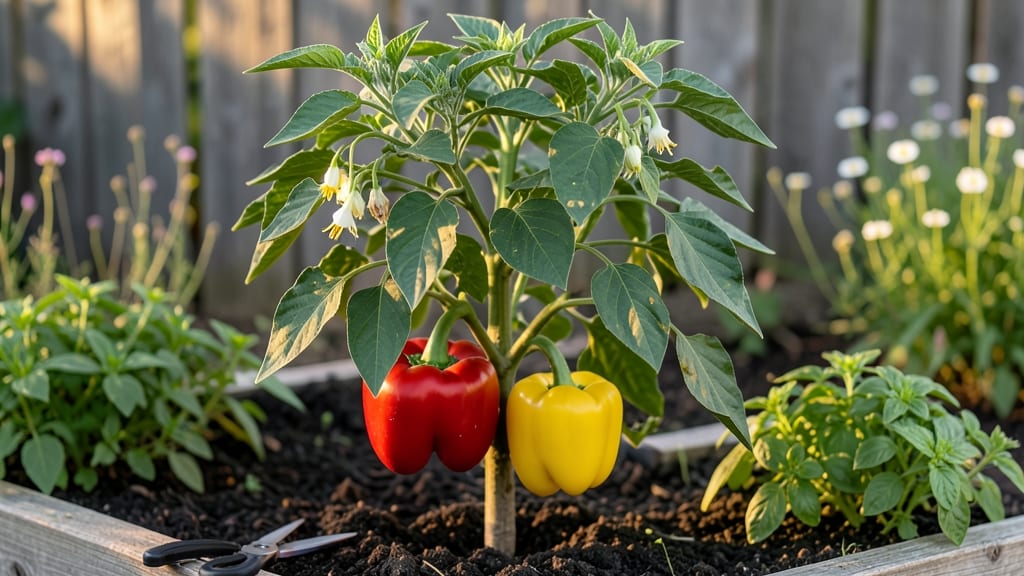
Black pepper is not a nightshade—it belongs to the Piperaceae family, not Solanaceae. Unlike nightshades, it lacks toxic compounds like solanine and is safe for most people, though it can cause allergic reactions in sensitive individuals.
Black pepper comes from the Piper nigrum plant, part of a completely different botanical family than tomatoes, potatoes, or eggplants. 🌱 The Piperaceae family includes other spices like betel pepper, while nightshades (Solanaceae) contain alkaloids that can trigger issues for some people.
This distinction matters for gardeners and chefs—black pepper's mild, warming flavor pairs well with almost any cuisine without the same concerns as nightshades.
What's interesting about this classification is how it affects cultivation. While nightshades thrive in cooler climates, black pepper needs tropical conditions with high humidity and well-draining soil. The plant's vines can grow up to 30 feet, producing clusters of white flowers that develop into the peppercorns we use.
This unique growing process is why black pepper has been a prized spice for centuries—its complex flavor profile comes from careful drying and curing methods.
💡 In This Article
- Black Pepper’s Botanical Family: Piperaceae vs Nightshades
- Growing Black Pepper: Climate, Soil, and Cultivation Tips
Black pepper’s botanical family: Piperaceae vs nightshades
The key difference between black pepper and nightshades lies in their botanical families. Black pepper comes from Piper nigrum, a member of the Piperaceae family, while nightshades belong to the Solanaceae family. This classification affects everything from plant structure to chemical composition.
Piperaceae plants typically feature heart-shaped leaves, climbing vines, and small white flowers that develop into peppercorns, while Solanaceae plants often have more complex flower structures and berry-like fruits.
Chemically, these families differ dramatically. Nightshades contain alkaloids like solanine and capsaicin, which can cause digestive issues or allergic reactions in some people. Black pepper, however, contains piperine, a compound responsible for its sharp, pungent flavor and potential health benefits, including anti-inflammatory properties.
The peppercorn itself starts green but turns red when ripe, then is dried to become the black pepper we know. This drying process concentrates the piperine content, giving it that signature kick.
Understanding these differences matters for gardeners and chefs alike. While nightshades thrive in cooler climates and are often grown for their edible fruits, black pepper requires tropical conditions with high humidity and well-draining soil.
The pepper plant's vines can grow up to 30 feet, producing clusters of flowers that develop into peppercorns. This unique growth habit explains why black pepper has been a prized spice for centuries—its complex flavor comes from careful cultivation and processing.
What makes this distinction practical is how it affects dietary considerations. Nightshades can trigger issues for people with certain sensitivities, like arthritis sufferers who may experience flare-ups. Black pepper, however, is generally safe for most people, though it can still cause allergic reactions in rare cases.
This makes it a versatile spice that pairs well with almost any cuisine without the same concerns as nightshades.
Another interesting aspect is the plant's defense mechanisms. Piperaceae plants produce piperine not just for flavor but also as a natural pesticide, deterring insects and herbivores. This chemical defense is one reason why black pepper has been used historically for both culinary and medicinal purposes.
The contrast with nightshades, which rely on different chemical defenses, highlights how plant families evolve unique survival strategies.
Consider these key botanical differences:
- Family: Piperaceae (black pepper) vs Solanaceae (nightshades)
- Growth Habit: Climbing vines (black pepper) vs herbaceous plants (nightshades)
- Active Compounds: Piperine (black pepper) vs solanine/capsaicin (nightshades)
- Cultivation Needs: Tropical climate (black pepper) vs cooler climates (nightshades)
This botanical distinction explains why black pepper can be used liberally in cooking—its unique chemical profile makes it a safe and flavorful addition to almost any dish. 🌿