
Lawn
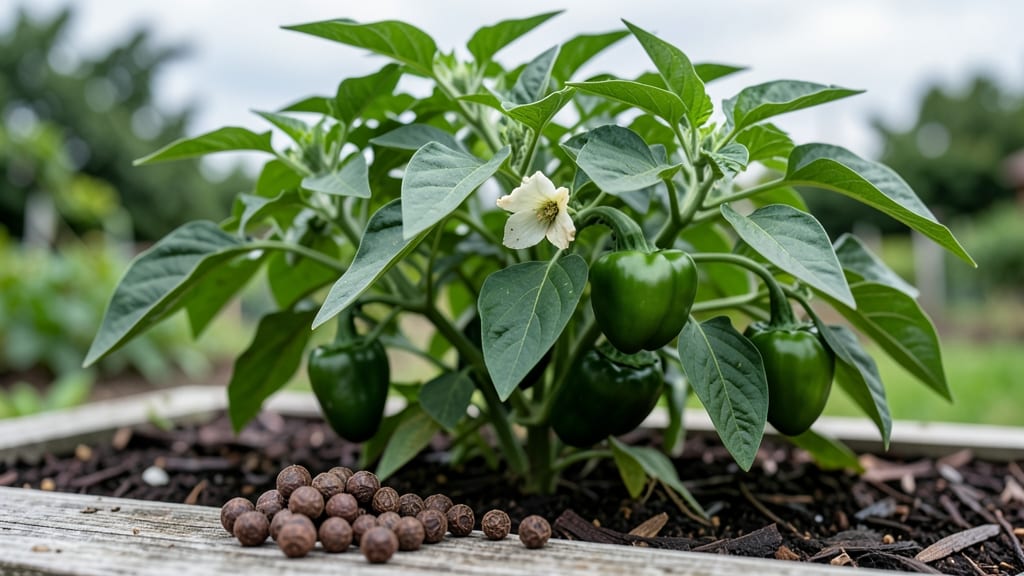
No, a peppercorn is not a seed—it's the dried fruit of the pepper plant, specifically the berry that encases the true seeds inside. These hard, spicy structures are harvested green for culinary use.
A peppercorn's botanical identity as a drupe (a type of fleshy fruit with a hard stone) explains why it's not a seed. 🌱 The tiny black or white specks inside are the actual seeds, while the outer peppercorn itself develops from the flower's ovary.
This distinction matters for gardeners—if you want to grow pepper plants, you'll need to extract those inner seeds, not plant whole peppercorns. The outer fruit protects the seeds during dispersal, but its spicy compounds make it far more valuable in kitchens worldwide.
What makes this fascinating is how peppercorns evolved to attract animals for seed dispersal. The fruit's spiciness serves as a natural defense mechanism, ensuring seeds travel far from the parent plant.
Yet ironically, humans harvest these "failed" dispersal units for their intense flavor—proof that nature's adaptations often serve multiple purposes. 🔥
💡 In This Article
- Botanical Classification of Peppercorns as Dried Berries
- Growing Pepper Plants from True Seeds vs Using Peppercorns
Botanical classification of peppercorns as dried berries
The peppercorn's botanical identity begins with the pepper plant's flower, where the ovary develops into a small, round fruit. What we call a peppercorn is actually a drupe—a type of fleshy fruit with a hard, stony layer (the pit) surrounding the true seeds inside.
Unlike true seeds, peppercorns contain 1-8 tiny black seeds embedded in their flesh, which are the plant's actual reproductive units. The outer fruit protects these seeds during dispersal while developing compounds like piperine that give pepper its signature heat.
When pepper plants flower, each blossom produces a berry that starts green and gradually ripens. Harvesters pick these berries 6-8 months before full maturity when they're still firm and green—this prevents the fruit from splitting open and losing its spice potency.
The drying process concentrates the piperine compounds, transforming the berry into the hard, aromatic peppercorns we use in cooking. 🌱 What's fascinating is how this fruit evolved: its spiciness acts as a natural defense against herbivores while simultaneously attracting animals that disperse the seeds through their digestive systems.
The classification as a drupe places peppercorns in the same botanical family as cherries, plums, and olives—all fruits with a similar structure of outer flesh, a hard stone, and seeds inside.
The key difference is that peppercorns are harvested and used whole, while other drupes are typically consumed with the flesh removed. This distinction explains why peppercorns can't germinate: their hard outer layer prevents water absorption, making them unsuitable for planting.
The true seeds inside, however, can sprout when properly extracted and planted.
Understanding this botanical structure helps explain why peppercorns behave differently from true seeds. For example, their low moisture content (around 10-12%) makes them resistant to spoilage, allowing them to maintain their pungent aroma for years when stored properly.
Meanwhile, the true seeds inside remain viable for 2-3 years if kept in cool, dark conditions—a crucial factor for gardeners looking to grow their own pepper plants. 💫
Here's what happens when you try to plant a peppercorn: the hard outer layer blocks water from reaching the inner seeds, preventing germination. Even if you crack it open, the seeds often fail to sprout because they're not designed to be dispersed by humans—they're adapted for animal consumption.
This is why botanists classify peppercorns as botanical fruits rather than seeds, despite their small size and hard texture.
For culinary purposes, this classification matters because it explains why peppercorns develop their intense flavor. The drying process concentrates not just the piperine (the compound responsible for heat) but also other aromatic compounds like limonene and pinene.
These develop as the fruit matures, creating the complex flavor profile we associate with black, white, and green peppercorns—each harvested at different stages of ripeness. 🔥