
How To
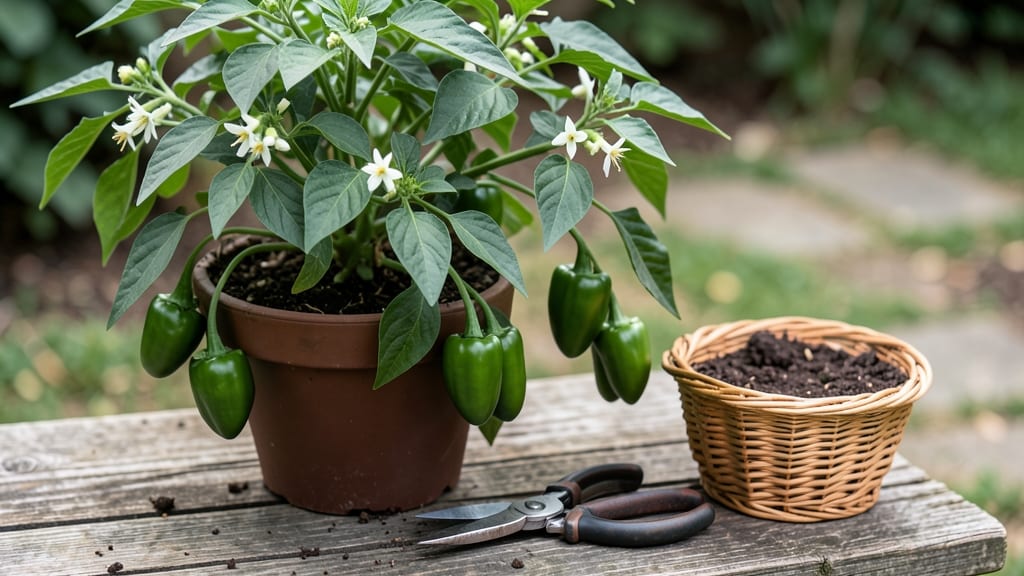
Knowing when to pick green bell peppers 🌶️ is all about spotting the right cues—because harvesting too early or too late can turn your crop from sweet and crisp to bitter or tough.
If you’ve ever bitten into a pepper that’s either still hard or has gone rubbery, you know how frustrating it can be. The good news? These vibrant veggies send clear signals when they’re ready, and missing them isn’t just about flavor—it can also reduce your yield.
In this guide, I’ll walk you through the 5 key visual and tactile clues that tell you it’s time to harvest, plus how often to pick for the best results. You’ll also learn how to avoid common mistakes that ruin peppers before they reach their prime.
Whether you’re growing them for fresh snacks, cooking, or storage, timing matters. Let’s make sure you pick them at their peak perfection—so every bite is as crisp and flavorful as possible.


5 Visual cues to identify perfectly ripe green bell peppers
Green bell peppers are at their peak when harvested at the right moment—too early and they’re underdeveloped, too late and they lose flavor. The key lies in understanding their visual and tactile signals.
These cues tell you exactly when to pick for the best crispness, sweetness, and texture. I’ve learned that ignoring even one of these signs can mean sacrificing your crop’s potential.
When I first grew bell peppers, I missed the subtle differences between "just right" and "past prime." For example, a pepper might look green but still have a soft, wrinkled skin—a clear sign it’s overripe.
Mastering these visual cues will help you avoid common mistakes and maximize your harvest’s quality.
Here’s what to look for when inspecting your peppers:
Size and Shape
Aim for 3-4 inches in length and a uniform, blocky shape. Peppers should feel heavy for their size, indicating full water uptake.
Color Depth and Uniformity
Look for a deep, vibrant green with no yellowing or brown spots. The stem end should match the pepper’s color—if it’s still greenish-white, it’s not ready.
Firmness and Gloss
Gently squeeze the pepper—it should feel firm but slightly yielding, like a ripe avocado. The skin should also have a slightly glossy finish, not dull or wrinkled.
Stem Separation
Grasp the pepper’s stem and give it a gentle twist. If it snaps cleanly (not pulls away), it’s ready. A stubborn stem means it’s not ripe enough.
Seed Development
Cut one open to check the seeds and jelly. They should be small, white, and embedded in a thin layer of gel. If the seeds are large and dark, the pepper is overripe.
Each of these cues plays a critical role in determining flavor and texture. For instance, a pepper that’s firm and glossy will stay crisp longer after picking, while one with wrinkled skin loses moisture quickly.
I’ve found that harvesting at the right time reduces bitterness and ensures a sweeter taste.
Pro tip: Morning harvests are ideal because peppers are cooler and firmer. Avoid picking after rain or late in the day, as excess moisture can make them slippery and harder to handle. Always use clean, sharp pruners or your hands to avoid damaging the plant.
If you miss the window, don’t panic—just pick the pepper anyway. While it won’t be at peak flavor, removing it encourages the plant to produce more. Overripe peppers can also slow down new growth, so regular checks are key.
Remember, green bell peppers continue to ripen off the vine, but their flavor peaks at harvest. Storing them in a cool, dark place (like a paper bag in the fridge) can preserve quality for up to two weeks.
By mastering these five visual cues, you’ll transform from a guessing gardener to a precision harvester, ensuring every pepper you pick is at its best. Happy harvesting! 🌱
Common mistakes that ruin green bell pepper harvest timing (and how to avoid them)
Even experienced gardeners sometimes miss the perfect moment to harvest green bell peppers, leading to bitter flavors or tough textures. The most common mistake? Waiting too long until peppers turn yellow or red.
Once they change color, their sweetness decreases and seeds harden, making them less ideal for fresh eating. Another frequent error is picking too early—when peppers are still small and underdeveloped, they won’t have the full flavor potential your plants worked so hard to create.
Ignoring environmental factors like temperature and sunlight can also throw off your harvest timing. For example, peppers grown in hotter climates may ripen faster, while cooler conditions can slow their development. Even watering inconsistencies—like sudden droughts or overwatering—can stress plants and delay ripening.
These mistakes aren’t just annoying; they can reduce your harvest yield by up to 30% if not corrected early.
Here’s the key: pay attention to visual and tactile cues rather than relying on a calendar. A pepper’s size, color depth, and firmness are your best indicators.
For instance, a fully ripe green bell pepper should measure 3-4 inches long, have a deep, even color, and feel firm to the touch. If you’re unsure, twist the pepper gently at the stem—if it snaps cleanly, it’s ready for harvest.
Good Harvest Signs vs. Bad Harvest Signs
✅ Good Harvest Signs
- Size: 3-4" long
- Color: Deep, even green (no green stem)
- Firmness: Resists gentle pressure
- Stem: Snaps cleanly when twisted
- Skin: Glossy and smooth
Pick now for peak flavor and texture.
❌ Bad Harvest Signs
- Size: Under 3" long
- Color: Pale or uneven (green stem visible)
- Firmness: Soft or wrinkled
- Stem: Doesn’t snap easily
- Skin: Dull or leathery
Wait or harvest for cooking only.
One of the biggest mistakes is harvesting at the wrong time of day. Many gardeners pick peppers in the afternoon when they’re hot and wilted, which can stress the plant. Instead, harvest in the morning when temperatures are cooler and peppers are firm and hydrated.
This also gives plants time to recover before the heat of the day. Another tip: use a sharp pair of pruning shears or scissors to avoid damaging the plant.
If you’re growing multiple varieties, keep track of their individual ripening times. Some hybrids mature faster than others, and mixing them up can lead to uneven harvests. For example, ‘Early California Wonder’ peppers ripen in about 60 days, while ‘Jupiter’ takes closer to 80 days.
Label your plants or keep a simple harvest log to stay organized. This small step can save you from overlooking ripe peppers hidden among slower varieties.
Finally, don’t forget to monitor your plants weekly for new peppers. Green bell peppers produce continuously, so checking them every 3-5 days ensures you catch them at their peak.
If you notice peppers turning yellow or red, they’ve passed their prime for fresh eating but can still be used for cooking or storage. The key is to stay consistent—once you master these cues, you’ll never miss a perfect pepper again!