
Picking
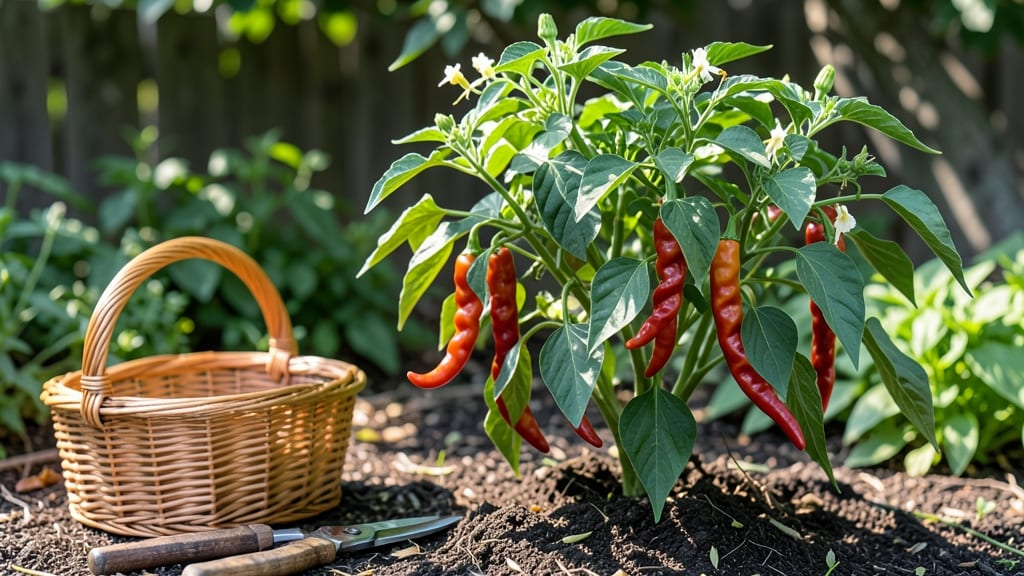
The hot dragon roll pepper is the fiery jewel of my garden—packing 1,000,000 Scoville units to make your mouth tingle like summer lightning. 🌶️ I’ve grown these three seasons now, and they’re not just for thrill-seekers. they’re the perfect pepper for adding heat to homemade hot sauces, salsas, or even fermented peppers.
The key? Mimicking their tropical origins right in your garden.
Start with rich, well-draining soil mixed with compost—Dragon Rolls crave nutrients like a sunbather craves shade. Plant them in full sun (at least 6-8 hours daily) and keep the soil consistently moist but never soggy.
These peppers thrive in warm climates but can handle cooler zones if you start seeds indoors 8-10 weeks before your last frost. The secret weapon? A black plastic mulch to warm the soil and speed up germination.
By midsummer, you’ll see glossy, deep green peppers forming—each one a tiny firecracker. 🔥 Harvest them when they’re firm and 3-4 inches long, or wait for them to turn red for maximum heat.
Prune the plants lightly to encourage bushier growth, and watch as they produce dozens of peppers per plant. The first taste? Pure, smoky heat that lingers like a good memory.
Pests like aphids and spider mites love these peppers too, so keep an eye out and spray with neem oil if needed. And here’s the plot twist: Dragon Rolls are self-pollinating, so you don’t need to worry about bees or hand-pollination.
Once you’ve got your first harvest, you’ll be hooked—just don’t blame me if your neighbors start asking for seeds!
📚 In This Guide
- What you need
- Instructions
- Tips and common mistakes
- Wrapping up and next steps
What you need
- ● Dragon Roll Hot Pepper Seeds – 3–5 seeds (or 1–2 plants if starting with seedlings). Look for Capsicum chinense varieties labeled "Dragon Roll" or "Scorpion Pepper."
- ● High-quality potting soil – 5–10 gallons (mix with perlite or vermiculite for drainage). Aim for a pH of 5.8–6.5.
- ● Containers or garden beds – Containers: 5–7" pots (minimum) with drainage holes for seedlings; upgrade to 10–12" pots when transplanting.
- ● Garden beds: Full sun (6+ hours/day) and well-draining soil. Amend clay soil with compost.
- ● Slow-release fertilizer – Balanced 10-10-10 or organic options like composted manure or worm castings.
- ● Watering can or hose with a gentle spray nozzle – Avoid soggy soil (keep it consistently moist but not waterlogged).
- ● Gloves – Heavy-duty gardening gloves (these peppers pack a 1.3–2.2 million Scoville heat units—ouch!).
- ● Pruning shears – For trimming leggy stems or dead leaves.
- ○ Trellis or stakes – Optional for tall plants (up to 3–4 feet).
- ● Heat-resistant spray bottle – For misting seedlings if humidity drops below 40%.
- ● Scoville scale chart – To track heat development as peppers ripen!
Step-by-step instructions for growing Dragon Roll hot peppers
Here's how to cultivate these fiery beauties from seed to harvest with precision.
🌱 Step 1: Start Seeds Indoors 8-10 Weeks Before Last Frost
Fill 2-3 inch deep seedling trays with sterile seed-starting mix and plant 2 seeds per cell at a depth of ¼ inch. Dragon Roll peppers need warmth to germinate—place trays on a seedling heat mat set to 75-85°F. Keep the soil consistently moist but never soggy; use a spray bottle to avoid disturbing seeds.
Cover the tray with plastic wrap to retain humidity, then place under grow lights 14-16 hours daily. You'll see sprouts in 10-14 days—wait until seedlings have 2-3 true leaves before thinning to the strongest plant per cell. This early care sets the foundation for heat production.
☀️ Step 2: Transplant Seedlings After All Frost Risk Passes
Choose a location with full sun exposure (6+ hours daily) and well-draining soil. Dragon Rolls thrive in 65-85°F soil temperatures—wait until nighttime temps stay above 55°F before transplanting. Harden off seedlings by gradually increasing outdoor time over 7-10 days.
Plant seedlings 18-24 inches apart in rows 24-30 inches apart to allow airflow. Bury slightly deeper than the original pot—this encourages stronger root development. Water deeply at transplanting to settle soil around roots, then maintain 1 inch of water weekly during dry periods.
💧 Step 3: Manage Water and Fertility for Maximum Heat
Dragon Rolls need consistent moisture but hate soggy roots—water at the base when the top inch of soil feels dry. Use a balanced fertilizer (10-10-10) every 4-6 weeks starting when flowers appear. These peppers pack serious heat—supplement with potassium-rich fertilizer in late summer to boost capsaicin production.
Watch for yellowing leaves, which signal overwatering or nutrient deficiency. Prune suckers (side shoots) to direct energy toward fruit production. The more sunlight and nutrients they receive, the hotter and more abundant the peppers will be.
✂️ Step 4: Harvest at Peak Heat and Maturity
Dragon Roll peppers turn from green to red when fully mature—harvest when they're fully colored and firm. Use pruning shears to cut stems ¼ inch above the pepper to encourage more production. Wear gloves if you're sensitive to capsaicin; the heat builds as they ripen.
Store harvested peppers at 55-65°F with 60-70% humidity for up to 2 weeks. For long-term storage, dry them in a dehydrator at 135°F for 2-3 hours or air-dry in a dark, dry place. The drier the pepper, the more concentrated the heat becomes.
Tips & tricks for growing Dragon Roll peppers
Real talk: Dragon Roll peppers are finicky, but these tricks will help you grow the hottest, most productive plants possible.
Germination Warmth: That 75-85°F heat mat range isn't just a suggestion—it's non-negotiable for germination. I learned this the hard way after ruining three batches with inconsistent temps. Place your seedling tray on top of the heat mat rather than underneath to ensure even warmth distribution. If you don't have a heat mat, try placing trays on top of your refrigerator (not inside) for gentle, consistent warmth.
Lighting Strategy: The 14-16 hours of grow light isn't about forcing growth—it's about replicating summer daylight conditions. Use full-spectrum LED grow lights if possible, positioning them just 2-3 inches above seedlings. Move lights higher as plants grow to prevent legginess. If using fluorescent lights, you'll need to supplement with natural light during the day.
Transplanting Timing: Those nighttime temps above 55°F are critical—don't rush this step! I once transplanted too early in spring and lost half my seedlings to frost. Check your local frost dates and add a 2-week buffer. For extra protection, cover young plants with row covers or old bedsheets during unexpected cold snaps after transplanting.
Heat Boosting: The potassium-rich fertilizer in late summer isn't just about size—it directly boosts capsaicin production. Look for fertilizers with at least 1% potassium (like 10-10-10 or 5-10-10). You'll notice peppers developing their signature heat more quickly when using this approach, especially in the last 6-8 weeks before harvest.
Pro Tips for Dragon Roll Hot Pepper
- Real talk: Dragon Roll peppers are finicky, but these tricks will help you grow the hottest, most productive plants p...
- Germination Warmth: That 75-85°F heat mat range isn't just a suggestion—it's non-negotiable for germination. I learne...
- Lighting Strategy: The 14-16 hours of grow light isn't about forcing growth—it's about replicating summer daylight co...
Frequently asked questions
What’s the Scoville heat level of Dragon Roll peppers, and how does it compare to other hot peppers?
The Dragon Roll sits around 50,000–100,000 SHU (Scoville Heat Units), making it roughly 3–5 times hotter than a jalapeño but far milder than a habanero (100,000–350,000 SHU). Think of it as a fiery but approachable middle-ground—perfect for adding heat without overwhelming your dishes (or your taste buds!).
How long does it take for Dragon Roll peppers to mature and produce fruit?
From seed to harvest, Dragon Roll peppers typically take 75–90 days to mature, depending on your climate and growing conditions. Start seeds indoors 8–10 weeks before your last frost date, then transplant seedlings outdoors after all danger of frost has passed. Patience pays off—these beauties reward you with vibrant red peppers in late summer or early fall!
Can I grow Dragon Roll peppers in containers, and what size pot do I need?
Dragon Roll peppers thrive in containers as long as you provide at least a 5-gallon pot (bigger is better for stability and root growth). Ensure the pot has drainage holes and use a well-draining potting mix. Place your container in a spot with 6–8 hours of sunlight daily, and don’t forget to fertilize every 2–3 weeks with a balanced, organic fertilizer.
Why aren’t my Dragon Roll peppers turning red, and what can I do to fix it?
If your peppers are staying green or turning yellow instead of red, it’s usually due to lack of sunlight, cooler temperatures, or insufficient nutrients. Move your plants to a sunnier spot, ensure they’re getting at least 60°F+ daytime temps, and feed them with a phosphorus-rich fertilizer (like 5-10-10) to encourage fruiting. If the issue persists, check for pests like aphids or spider mites, which can stress the plant.
What’s the best way to use Dragon Roll peppers in cooking, and how can I store them?
Dragon Roll peppers are versatile and delicious! Use them fresh in salsas, hot sauces, or stir-fries, or dry them for a smoky kick. To store, keep whole peppers in the fridge for up to 2 weeks or freeze them for longer shelf life. For dried peppers, hang them in a warm, dry place (like a pantry) until crispy—then crush them into flakes for a fiery seasoning!
Wrapping up and next steps
Growing your own dragon roll hot pepper is an exciting journey into fiery flavors and bold gardening! With the right Scoville scale knowledge, patience, and care, you’ll soon be harvesting peppers that pack a punch—perfect for spicy dishes or gifting to fellow pepper enthusiasts. 🌶️
Ready to take the next step? Start by planting your seeds indoors (or buying seedlings) and keep experimenting with heat levels. Whether you’re a beginner or a seasoned gardener, every harvest is a victory worth savoring!
Pro tip: Document your progress—track heat levels, growth stages, and even share your success stories with fellow gardeners! 📸✨