
How To
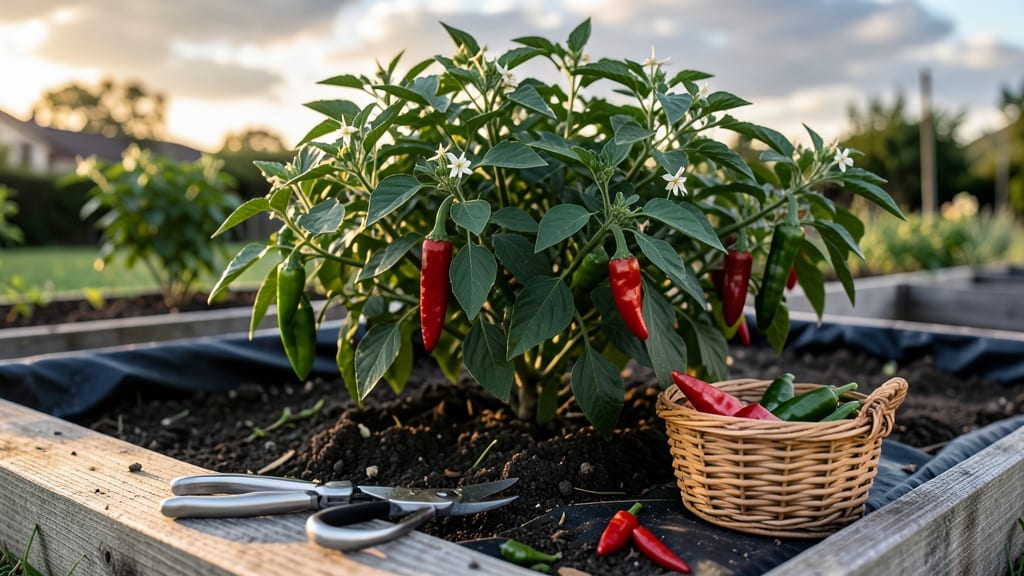
Picking serrano peppers at the right color stage means the difference between mild disappointment and a fiery harvest that turns every dish into a flavor explosion.
Too early, and you miss the peak heat; too late, and the flavor softens. I’ve learned the hard way that timing is everything when it comes to these 🌶️ spicy gems, and the secret lies in watching for those subtle color cues.
From vibrant green to deep red or yellow, each stage changes the heat level and texture. Whether you prefer them green for a milder kick or fully ripe for maximum spice, knowing when to pluck them ensures you get the best of both worlds.
In this guide, I’ll walk you through the exact color-stage triggers, how to test ripeness beyond just color, and even how to extend your harvest season for a longer supply of these fiery peppers.


Serrano pepper color stages: when to harvest for peak heat
Serrano peppers transform through distinct color stages, each signaling a different heat level and flavor profile. Understanding these shifts helps you harvest at the perfect moment.
The journey begins with green peppers, progresses to yellow or orange, and culminates in deep red—each stage offering unique spice potential. Let’s break down when to pick for maximum heat and flavor.
Green serrano peppers are the youngest stage but already pack a punch with Scoville heat units (SHU) around 5,000–10,000. They’re crisp and slightly sweet, ideal for fresh salsas or pickling.
However, their heat is milder compared to later stages. If you harvest too early, you miss out on the peak spice intensity the pepper develops as it matures.
As serranos mature, they transition to yellow or orange hues, signaling a heat increase to 10,000–23,000 SHU. This stage balances sweetness and spice, making them versatile for both cooking and drying.
The skin becomes slightly thicker, and the pepper’s aromatic oils intensify. This is often the sweet spot for many gardeners, offering a harmonious blend of flavor and heat.
🌶️ The deep red stage is where serranos reach their maximum heat potential (10,000–23,000 SHU or higher). The pepper’s skin firms up, and its spicy, smoky notes dominate.
Red serranos are perfect for drying or making fiery hot sauces. However, leaving them too long on the plant can cause the skin to toughen, reducing flavor quality.
| Color Stage | Heat Level (SHU) | Flavor Profile | Best For | Harvest Time |
|---|---|---|---|---|
| Green | 5,000–10,000 | Crisp, mild sweetness | Fresh salsas, pickling | 60–75 days |
| Yellow/Orange | 10,000–23,000 | Balanced sweet-spicy | Cooking, drying | 75–85 days |
| Red | 10,000–23,000+ | Smoky, intense heat | Hot sauces, drying | 85–90 days |
The transition from green to red isn’t linear—some serranos may skip stages or linger longer in a color. Environmental factors like sunlight, temperature, and humidity play a role. For example, cooler temperatures can slow color changes, while consistent sunlight (6+ hours daily) speeds up maturation.
If you’re in a shorter growing season (USDA Zones 6a and below), prioritize harvesting at the yellow/orange stage to avoid losing peppers to frost.
To ensure you’re harvesting at the right time, check for three key maturity cues: color consistency, skin firmness, and stem separation. A ripe serrano should have a deep, uniform color with no green patches. Gently press the pepper—it should yield slightly but still feel firm.
Finally, the stem should snaps off cleanly when twisted, indicating it’s ready for picking. Ignoring these signs can lead to underripe or overripe peppers, both of which compromise flavor and heat.
If you’re growing serranos in containers or greenhouses, you have more control over their maturation. Greenhouses can extend the growing season, allowing peppers to fully ripen to red even in cooler climates. However, overcrowding plants can delay ripening, so prune excess foliage to improve airflow and sunlight exposure.
In hotter climates (Zones 8b and above), serranos may mature faster, so monitor them closely to avoid missing the optimal harvest window.
Did you know? Harvesting serranos at different stages lets you experiment with flavors. Green peppers add a bright, fresh kick to dishes, while red peppers deliver a deep, smoky heat.
For the boldest heat, aim to harvest at the red stage, but don’t wait too long—the pepper’s skin can become leathery and less flavorful. If you’re unsure, taste a small sample! Your palate is the best tool for determining peak ripeness.
Pro tip: Label your plants by color stage to track maturation. Use small flags or markers to note which peppers are green, yellow, or red. This helps you plan your harvest schedule and ensures you’re picking at the right time for your culinary needs.
For example, if you’re making a fresh pico de gallo, green peppers work best, while a spicy hot sauce calls for red.
Finally, remember that serrano peppers continue to ripen off the plant—though slowly. If you harvest at the yellow/orange stage and store them in a cool, dry place (60–65°F), they’ll develop more color and heat over time.
This is especially useful if you’re facing an early frost or need to extend your harvest season. Just avoid refrigerating them, as cold temperatures can dull their flavor and heat.
How to test serrano pepper ripeness beyond color
Color alone isn’t always the best indicator of a serrano pepper’s ripeness. While green, red, or orange hues signal maturity, the real heat potential hides beneath the surface.
I’ve learned to test for firmness, seed development, and even taste to ensure peak spice levels every harvest season.
Start by checking the skin firmness—a ripe serrano should yield slightly when pressed but still feel firm to the touch. Overripe peppers turn mushy, while underripe ones stay rock-hard. This tactile test helps me avoid both extremes, ensuring I harvest at the perfect heat threshold.
⚠️ callout warning ⚠️
Avoid These Harvest Mistakes!
- Overlooking seed color: White seeds mean underripe peppers—wait until they turn yellowish-brown for full heat.
- Ignoring stem changes: A dry, papery stem signals readiness, while a green stem means more time on the plant.
- Skipping taste tests: Biting a small piece reveals if the heat level matches your recipe needs.
These errors can reduce spice intensity by up to 30% or more!
Next, peek inside the pepper by cutting one open—ripe serranos have fully developed seeds that are plump and yellowish-brown. If the seeds are still white or shriveled, the pepper needs more time on the vine.
Pro tip: Use a small knife to slice just one pepper from each plant to monitor progress without sacrificing yield.
For the most accurate test, I always perform a taste test on a few peppers. A fully ripe serrano should deliver that signature bright heat with a touch of sweetness.
If it tastes bland or overly bitter, it’s either underripe or overripe. This method saves me from harvesting peppers that won’t deliver the flavor punch I crave in my dishes.
Timing is everything—harvest too early, and you lose heat potential; too late, and the flavor dulls. I’ve found that morning harvests work best because the peppers are cooler and firmer.
Plus, picking in the morning gives me time to use or store them before the heat of the day sets in.
Don’t forget to rotate your harvests! By picking peppers from different branches, you encourage the plant to produce more fruit throughout the season. This simple trick has helped me extend my serrano harvest by 3-4 weeks compared to picking all peppers at once.