
Size
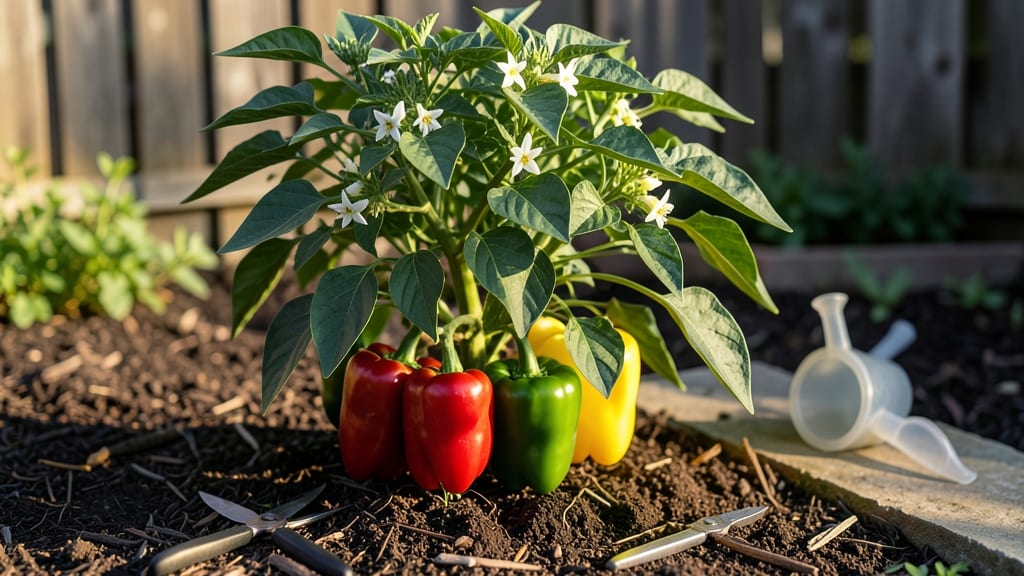
Growing peppercorn plants from seed is like unlocking a spice cabinet in your own backyard—except these vines climb like jungle explorers. 🌿 The secret to bold harvests starts with a warm corner where vines can stretch their arms toward sunlight, whether you're growing the classic black pepper (Piper nigrum) or fiery ornamental peppers (Capsicum annuum).
I’ve watched mine transform from delicate seedlings into lush, fragrant climbers that produce peppercorns (or peppers) with just a little patience and the right conditions.
You’ll need a sturdy trellis or fence for support—these vines can grow 10 to 20 feet tall—and well-draining soil rich in organic matter. Black pepper thrives in humid, tropical climates, while ornamental peppers adapt to warmer zones (5-10).
Start seeds indoors 8-10 weeks before last frost or buy young plants from a nursery. The key is keeping soil consistently moist but not soggy, and giving them 6+ hours of sunlight daily. Too little light? Leggy, weak plants. Too much? Stress that can stunt growth.
By mid-summer, you’ll see those first peppercorns forming—tiny green berries that ripen into the spice we know (or colorful peppers for ornamentals). Prune regularly to encourage bushier growth and better airflow, which prevents mold. Harvest black peppercorns when they turn red, then dry them for that signature kick.
Or, if you’re growing ornamental peppers, let them ripen fully for vibrant colors and a surprise fiery taste. The first harvest is always a thrill—like uncovering a hidden spice treasure in your own garden.
Works beautifully in containers for patios or small spaces, just use a 5-gallon pot with drainage. For garden beds, give them room to sprawl or climb. The biggest mistake? Overwatering or letting soil dry out completely.
These vines are tough once established, but they’ll reward you with years of harvests—and the satisfaction of growing something truly special. Ready to turn your garden into a peppercorn paradise?
📚 In This Guide
- What you need
- Instructions
- Tips and common mistakes
- Wrapping up and next steps
What you need
- ● Peppercorn Seeds or Cuttings: 5–10 Schinus molle (Peruvian pepper tree) seeds or 2–3 healthy cuttings (4–6 inches long) from an established plant.
- ○ Optional: Pre-sprouted seeds (if available) to skip the germination wait.
- ● Containers or Garden Bed: For container growing: 5-gallon pots (minimum) with drainage holes for each plant.
- ● For in-ground planting: Well-draining soil in a sunny spot (6+ hours of light daily).
- ● Potting Mix: 1 part cactus/succulent mix + 1 part perlite or coarse sand (for aeration).
- ○ Optional: Add 1 tbsp of mycorrhizal fungi to boost root health.
- ● Basic Gardening Tools: Trowel or small shovel
- ● Pruners (sterilized with rubbing alcohol)
- ● Gloves (to protect from sap)
- ● Support Structures: Trellis, bamboo stakes, or obelisk (6–8 feet tall) for climbing.
- ○ Optional: Twine or soft ties to secure vines.
- ● Watering & Care: Watering can with a rose attachment (for gentle watering).
- ● Mulch (straw or wood chips) to retain moisture.
- ○ Optional: Drip irrigation system for consistent hydration.
- ● Climate: USDA Zones 7–11 (or indoor growing with grow lights).
- ● Sunlight: Full sun (6+ hours/day) or bright indirect light indoors.
- ● Patience: Seeds take 4–6 weeks to germinate; cuttings root in 2–3 weeks.
- ● Pest Control: Monitor for aphids or spider mites (neem oil spray if needed).
Step-by-Step instructions for cultivating peppercorn vines
Here’s how I’ve mastered growing peppercorn vines—bold, fragrant, and ready for harvest.
🌱 Step 1: Select and Prepare the Right Growing Spot
Peppercorn vines (Schinus molle) thrive in full sun—at least 6-8 hours daily. Choose a sheltered location where they can climb a sturdy trellis, fence, or arbor. The soil should drain well, so amend heavy clay with 2-3 inches of compost before planting. I dig a hole twice as wide as the root ball to encourage outward root spread.
These vines tolerate USDA Zones 8-11, but young plants need winter protection in cooler climates. If you’re in a marginal zone, plant near a south-facing wall to capture heat. Test soil pH—peppercorns prefer slightly acidic to neutral (6.0-7.0). Adjust with sulfur or lime if needed.
🪴 Step 2: Plant and Train the Vine for Optimal Growth
Set the peppercorn plant 10-15 feet from its support structure—they’ll spread widely as they climb. Bury the root ball just below soil level and backfill with native soil mixed with compost. Water deeply to eliminate air pockets, then mulch with 2-3 inches of wood chips to retain moisture and suppress weeds.
Train the main stem along the trellis using soft plant ties or twine. Avoid metal or wire—it can damage the bark. Prune side shoots to encourage a single strong leader for the first 1-2 years. Once established, let it branch naturally. You’ll see new growth within 4-6 weeks if conditions are right.
☀️ Step 3: Maintain Water, Light, and Pruning for Peak Production
Water 1-2 inches per week, more in extreme heat. Peppercorn vines are drought-tolerant once established, but young plants need consistent moisture. Let the top 2 inches of soil dry between waterings to prevent root rot. Fertilize lightly in spring with a balanced 10-10-10 granular fertilizer, but avoid heavy feeding—it promotes leafy growth over fruit.
Prune lightly in late winter to remove dead or crossing branches. Shape the vine to improve airflow, which reduces fungal risks. Harvest begins in fall of the second year when berries turn bright red. Wear gloves—these vines can stain hands and irritate sensitive skin.
⏰ Step 4: Prepare for Winter and Encourage Long-Term Growth
In colder zones, wrap the base of the vine with burlap and mulch heavily. Peppercorn vines are semi-deciduous—they drop leaves in winter but regrow quickly in spring. If you live in Zone 7 or colder, consider container growing so you can move the plant indoors during freezes.
Feed again in early spring with compost or a slow-release fertilizer. Over time, the vine will develop a dense canopy. Watch for pests like spider mites—spray with neem oil if you spot webbing. With patience, your peppercorn vine will produce harvests for decades, rewarding you with fragrant, spicy berries.
Tips & tricks for perfect peppercorn vine cultivation
These insider secrets will help you cultivate a thriving peppercorn vine that produces bold harvests year after year.
Sunlight Strategy: In Step 1, when selecting your growing spot, prioritize locations that receive the full 6-8 hours of sunlight daily. South-facing walls or fences capture the most sunlight, especially in cooler climates. I've found that even partial shade can reduce fruit production by up to 40%—these vines are sun-hungry plants! Consider using reflective surfaces like white walls or mulch to maximize light exposure in less-than-ideal locations.
Root Development Hack: The wider hole you dig in Step 1—twice as wide as the root ball—isn't just about aesthetics. This encourages outward root spread, which stabilizes the vine and improves nutrient uptake. For container growing mentioned in Step 4, use pots at least 18 inches in diameter to accommodate this root expansion. The deeper you can bury the root ball, the better—up to the first set of leaves—this helps establish a strong foundation.
Pruning Precision: When pruning side shoots in Step 2, focus on maintaining that single strong leader for the first 1-2 years. I recommend using sharp, clean pruners to make cuts just above a leaf node or bud. This encourages new growth while maintaining the vine's structural integrity. Remember that peppercorn vines can live for decades—proper pruning now prevents structural issues later. The 4-6 week growth timeline gives you a good benchmark for evaluating your pruning success.
Harvest Timing: The fall harvest mentioned in Step 3 is your cue that the berries have reached peak flavor and spice levels. I've learned to harvest when about 10% of the berries have turned red—this ensures you get the best flavor profile. Collect the berries by hand, wearing gloves as mentioned, and spread them out to dry in a warm, dry place. Proper drying preserves their aromatic qualities and extends their shelf life significantly.
Pro Tips for Grow Peppercorn Plant
- These insider secrets will help you cultivate a thriving peppercorn vine that produces bold harvests year after year.
- Sunlight Strategy: In Step 1, when selecting your growing spot, prioritize locations that receive the full 6-8 hours of sunlight daily.
- Root Development Hack: The wider hole you dig in Step 1—twice as wide as the root ball—isn't just about aesthetics.
Frequently asked questions
Got questions about growing your own peppercorn plant? You’re not alone—this spicy adventure has a few curves! Here are answers to the most common queries to keep your vine thriving and your kitchen stocked with homegrown peppercorns.
How long does it take for a peppercorn plant to produce fruit?
A peppercorn plant (Piper nigrum) typically takes 3–5 years to mature enough to produce fruit in ideal conditions. Patience is key—focus on establishing a strong vine first! With proper care (warmth, humidity, and support), you might see tiny flowers (and eventually berries) by year 2 or 3, but full harvests come later.
Can peppercorn plants survive winter outdoors?
Nope! Peppercorn plants are tropical vines and cannot tolerate frost—even a light freeze will kill them. Grow them indoors near a sunny window or in a greenhouse year-round. If you live in a mild climate, overwinter potted plants indoors and bring them back outside in spring. Pro tip: Keep temps above 55°F (13°C) for best growth!
What’s the easiest way to propagate peppercorn plants?
The simplest method is stem cuttings! Snip a 4–6 inch healthy stem (just below a node), remove lower leaves, and dip the cut end in rooting hormone. Plant in moist potting mix, cover with a plastic bag to retain humidity, and place in bright, indirect light. Roots should form in 4–8 weeks. Alternatively, save seeds from ripe berries (though germination can be slow).
Why are my peppercorn plant’s leaves turning yellow?
Yellow leaves usually signal overwatering or nutrient deficiency. Check the soil—it should be evenly moist but well-draining. If roots are soggy, repot in fresh mix and reduce watering. Yellowing can also mean low light or pests (like spider mites). Inspect undersides of leaves and treat with neem oil if needed. Pro tip: Feed with a balanced fertilizer every 2 months!
Can I grow peppercorns in containers, or do they need a garden?
Peppercorn plants thrive in containers—they’re vining plants that can climb trellises or cages. Use a 5-gallon pot minimum (bigger is better for mature plants) with drainage holes. Ensure the container is near a south-facing window or under grow lights for 6+ hours daily. Just remember: They’ll need regular pruning to control growth!
Wrapping up and next steps
Growing your own peppercorn plant is a rewarding journey that combines patience, care, and a touch of green-thumb magic! 🌱 From selecting the right variety to mastering pruning and providing the perfect climbing support, each step brings you closer to a bountiful harvest of fragrant, homegrown peppercorns.
With the right conditions—whether indoors or outdoors—you’ll soon be enjoying the satisfaction of turning your garden (or windowsill!) into a spice-producing powerhouse.
Ready to take the next step? Start small—plant a single vine, experiment with care techniques, and let your curiosity guide you. Before you know it, you’ll be sharing your peppercorn harvest with friends or even scaling up to a full-fledged spice garden. Happy growing! 🌿✨