
Pruning
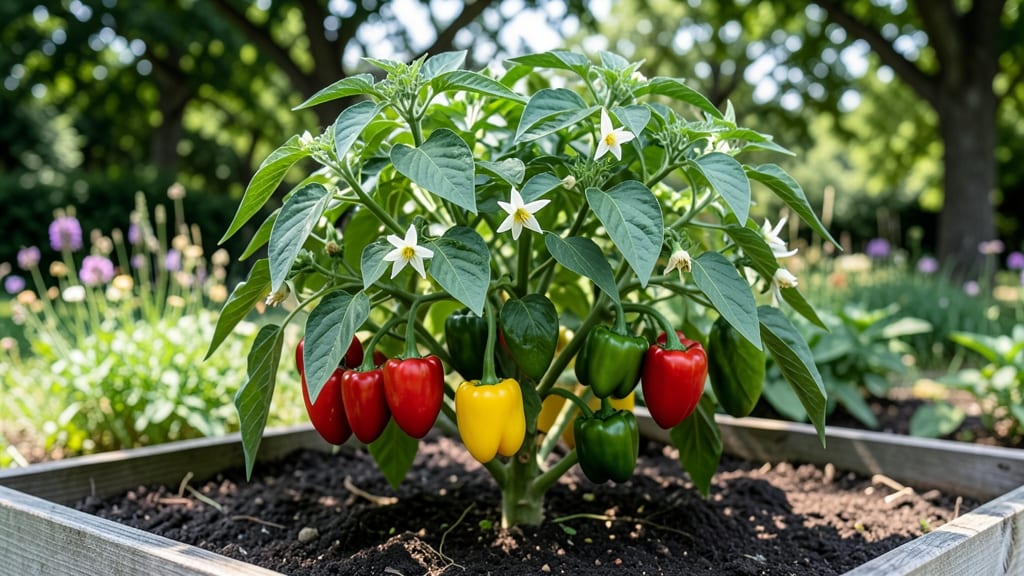
Pruning your pepper tree (Schinus molle) in winter isn’t just about shaping—it’s about setting it up for year-round lushness and resilience. I’ve watched my tree go from scraggly to showstopping by following a few key cuts at the right time, and the difference is night and day.
The secret? Timing it just before new growth kicks in, when the tree’s energy is still dormant but ready to rebound.
You’ll need sharp bypass pruners, a ladder (if your tree’s over 6 feet), and a clear day to avoid stressing the tree. The goal is to remove dead wood first, then thin out crowded branches by about 25% to let light and air circulate.
Pepper trees handle pruning well, but overdoing it can stress them—think of it like giving them a haircut, not a buzz.
What you’ll end up with is a tree that stays compact and vibrant all year, with fewer pests and stronger branches. The red berries will shine brighter, and the foliage stays denser. Plus, you’ll avoid the shock of sudden regrowth that happens when you prune too late in the season.
Works for both small patio trees and large landscape specimens. The same principles apply whether you’re shaping a bonsai-style pepper tree or keeping a 20-foot giant in check. Here’s how to do it right without killing your tree’s momentum.
📚 In This Guide
- What you need
- Instructions
- Tips and common mistakes
- Wrapping up and next steps
What you need
- ● Pruning shears: Bypass pruners (sharp, clean, and sterilized with rubbing alcohol or bleach) for small branches.
- ● Loppers: 1 pair (for branches ½–1.5 inches thick). Look for ratchet-style for extra leverage.
- ● Pruning saw: 1 hand saw (for thick branches 2+ inches—avoid chainsaws near pepper trees!).
- ● Garden gloves: 2 pairs (nitrile-coated for grip + cut-resistant for thorns).
- ● Disinfectant: Rubbing alcohol (70%+) or bleach solution (1 part bleach : 9 parts water) to sterilize tools between cuts.
- ○ Sealing wax or pruning paste: Small jar (optional but highly recommended for large cuts to prevent disease).
- ● Safety glasses: 1 pair (to shield eyes from debris).
- ● Long sleeves/pants: (protect against thorns and sun exposure).
- ● Bucket or bag: 1 large (for collecting pruned branches—compost them!).
- ● Ladder or stool: (if your pepper tree is taller than 6 feet).
- ○ String or twine: (for marking branches to remove—optional but helpful for planning).
- ● Best time to prune: Late winter/early spring (before new growth starts) or right after harvest (for summer-bearing varieties).
- ● Weather check: Prune on a dry, cloudy day (avoid pruning in direct sun or rain).
- ● Tree health: Only prune if the tree is healthy—skip if you see signs of disease (e.g., black spots, wilting, or pests).
Step-by-Step instructions for pruning pepper trees indoors
Here's how to keep your pepper tree lush and healthy year-round with simple pruning techniques.
Identify the Right Time to Prune
Prune your pepper tree in early spring before new growth begins, or in late summer after the heatwave subsides. This timing ensures you're not removing buds that will become flowers or fruit. You'll know it's the right time when you see fresh, bright green leaves emerging in spring or when the plant finishes its summer growth spurt.
If you must prune during winter, do so minimally to avoid stressing the plant. Pepper trees are sensitive to cold drafts, so keep them away from windows or doors that open frequently. Wait until the plant shows signs of new growth before pruning again.
Gather the Right Tools for Clean Cuts
Use sharp, sterilized pruning shears to make clean cuts at a 45-degree angle just above a leaf node or bud. Dull tools crush stems, leaving ragged edges that invite disease. Wipe your shears with rubbing alcohol before and after pruning to prevent spreading bacteria or fungi between cuts.
You’ll also need a small pair of hand pruners for thinner branches and a glove to protect your hands from sap and potential thorns. Avoid using scissors or garden shears—they’re not designed for clean cuts and can damage the plant.
Remove Dead, Diseased, or Weak Growth
Start by cutting out any dead, yellowing, or brown branches at the base. These won’t recover and can harbor pests or disease. Next, remove branches that are crossing, rubbing, or growing inward—these compete for sunlight and air circulation, weakening the plant.
Look for thin, leggy stems with few leaves. These are energy drainers and should be pruned back to a stronger, outward-facing branch. If a branch is completely bare or damaged, cut it back to the nearest healthy growth point. You’ll see a small bump or bud where new growth can sprout.
Shape the Tree for Balance and Airflow
Step back and assess the tree’s shape. Aim for an open, rounded canopy that allows light and air to reach the center. Start by trimming the outermost branches first to encourage a fuller, bushier growth. Cut back overgrown branches by one-third to stimulate new, denser growth.
Focus on maintaining a balanced silhouette—no one side should dominate. If the tree leans heavily to one side, prune slightly more on the heavier side to encourage even growth. Avoid cutting more than one-third of the tree’s foliage at once, as this can stress the plant.
Clean Up and Encourage New Growth
After pruning, remove all clippings from the area to prevent pests or diseases from lingering. Dispose of them in a sealed bag or compost pile if they’re disease-free. Wipe down the tree with a damp cloth to remove any sap or debris that could attract pests.
Give your pepper tree a light fertilizer application after pruning to support new growth. Place it in a bright, indirect light spot for a few days to recover before returning it to its usual location. You’ll notice fresh, vibrant leaves emerging within 2-4 weeks, signaling successful pruning.
Tips & tricks for pruning pepper trees indoors
Here's what nobody tells you about keeping your pepper tree looking its best year-round.
Timing is Everything: I learned this the hard way after accidentally pruning in winter and watching my tree struggle to recover. The early spring timing in Step 1 is crucial because that's when your tree naturally enters its growth phase. If you see those fresh, bright green leaves emerging, that's your cue—wait until you see that before you start cutting. Late summer works too, but avoid pruning during winter unless it's absolutely necessary, and even then, keep it minimal.
The Technique That Changed Everything: When making those 45-degree cuts in Step 2, think of it like giving your tree a clean haircut. The angle matters because it prevents water from pooling at the cut site, which can lead to rot. I always make sure to cut just above a leaf node or bud—this is where new growth will emerge. If you're unsure where the bud is, look for that little bump or swelling on the stem. It's like finding the sweet spot on a baseball bat—once you get it right, everything flows better.
Common Mistake Fix: Don't make my mistake of cutting too much at once. In Step 4, you'll notice it says to avoid cutting more than one-third of the foliage. I once trimmed half my tree in one go and ended up with a stressed plant that took months to recover. Think of it like dieting—you wouldn't cut out half your meals at once, would you? Take it slow, and your tree will thank you with vigorous new growth.
Post-Pruning Care: After you've finished pruning, don't just walk away. The cleanup in Step 5 is just as important as the pruning itself. I always give my tree a light fertilizer application right after to give it that extra boost. Place it in that bright, indirect light spot for a few days—it's like giving it a spa day to recover. You'll be amazed at how quickly those fresh, vibrant leaves start appearing within those 2-4 weeks.
Pro Tips for Pepper Tree In
- Here's what nobody tells you about keeping your pepper tree looking its best year-round.
- Timing is Everything: I learned this the hard way after accidentally pruning in winter and watching my tree struggle to recover.
- The Technique That Changed Everything: When making those 45-degree cuts in Step 2, think of it like giving your tree a clean haircut.
Frequently asked questions
Got questions about pruning your pepper tree?
You’re not alone! Here are answers to the most common concerns—from timing to troubleshooting—to keep your tree thriving year-round.
When is the best time to prune a pepper tree?
Prune your pepper tree in early spring (February–March) before new growth starts. Light trimming can also happen in late winter or summer, but avoid heavy pruning during fall or winter—it stresses the tree and invites pests.
Can I prune a pepper tree in cold weather?
No, pruning in freezing or frost-prone months (like December–January) weakens the tree and slows healing. Wait until temperatures consistently stay above 40°F (4°C). If you must trim in mild winter, do so on dry, sunny days to reduce stress.
How do I fix over-pruned pepper tree branches?
If you’ve over-pruned, focus on recovery, not more cuts. Water deeply, fertilize lightly (use a balanced 10-10-10), and avoid heavy pruning for 6–12 months. New growth will signal the tree’s resilience—just be patient!
What if my pepper tree isn’t growing after pruning?
Slow growth could mean underfeeding, poor drainage, or disease. Check soil moisture, test pH (ideal: 6.0–7.0), and inspect for pests (like aphids). If branches are still bare, prune only dead wood and fertilize with compost or a slow-release formula.
Are there alternatives to pruning for shaping a pepper tree?
Yes! Use topiary training (bending young branches) or cage pruning (installing a wire frame for growth direction). For mature trees, selective thinning (removing inward branches) improves airflow without harsh cuts. Just avoid heavy shearing—it harms the tree’s natural form.
Wrapping up and next steps
Pruning your pepper tree isn’t just about aesthetics—it’s a year-round commitment to its health, productivity, and beauty! 🌿 From mastering the right tools to timing your cuts and troubleshooting common issues, you now have the secrets to keep your tree thriving.
Whether you’re a seasoned gardener or just starting out, every snip brings you closer to a lush, fruitful pepper tree.
Ready to put your new skills to work? Start small—pick a branch or two this weekend and observe the difference over the next few weeks. Before you know it, your pepper tree will be the star of your garden, and you’ll be the proud pruner behind it! 🌟