
Planting
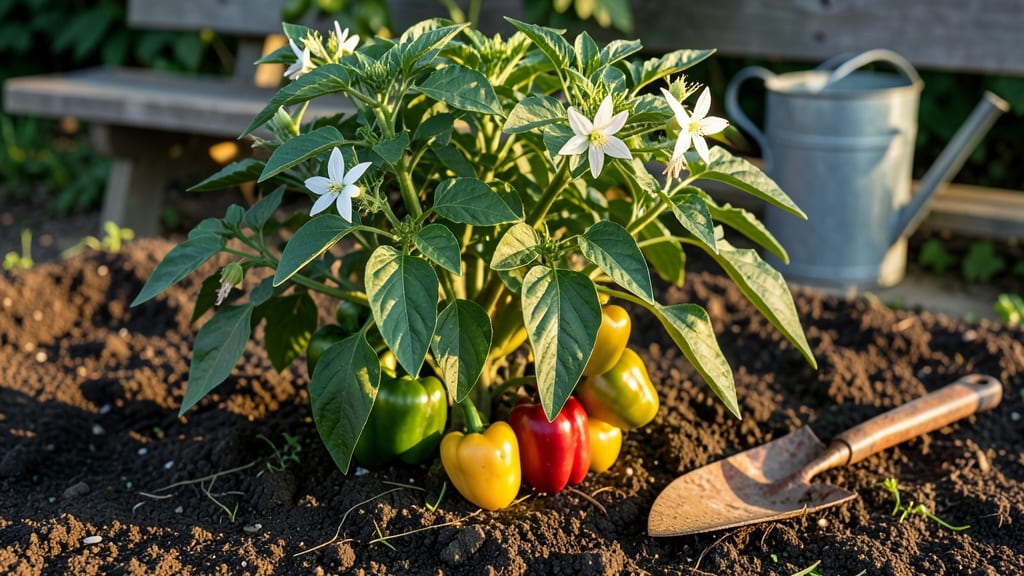
Growing a black pepper plant from seed means spicy harvests in just 2-3 years—if you nail the heat zone and timing. 🌿 I've grown these tropical vines in zones 10-12, and the key is mimicking their jungle home: high humidity, warm soil, and consistent moisture.
Skip that, and you'll end up with leggy, fruitless vines no matter how much you water.
The right setup starts with a 5-gallon pot (or larger) filled with rich, well-draining soil mixed with compost. Black pepper plants thrive in 60-70°F soil temperatures, so wait until after your last frost in spring—usually mid-April to June depending on your zone.
A south-facing window or grow light works indoors, but outdoors, they need 6+ hours of indirect sunlight daily.
By year two, you'll see those familiar peppercorns forming—green first, then turning red before drying to black. The harvest keeps coming for 5-10 years with proper care, and the smell of fresh peppers drying in the sun is unmistakable.
Prune regularly to encourage bushier growth, and watch your plant climb its trellis like a jungle vine.
Works for containers, greenhouses, or warm climates—just avoid frost at all costs. Here's how to keep yours thriving through every growth stage, from seed to spice-filled harvests.
📚 In This Guide
- What you need
- Instructions
- Tips and common mistakes
- Wrapping up and next steps
What you need
- ● Black pepper seeds or seedlings: 3–5 seeds (or 1–2 young plants) for optimal yield.
- ● Well-draining potting mix: A blend of peat moss, perlite, and coconut coir (or a pre-mixed tropical mix).
- ● Containers: 5–7 gallon pots with drainage holes (or a raised bed if outdoors).
- ● Humidity dome or plastic wrap: To maintain moisture during germination.
- ● Fertilizer: Balanced 10-10-10 NPK or organic compost (e.g., worm castings).
- ● Watering can with a fine rose: For gentle hydration.
- ● Grow lights or sunny window: 6–8 hours of bright, indirect light daily (LED grow lights work great for indoors!).
- ● Support structure: A trellis or bamboo stake (pepper vines can grow 10+ feet!).
- ● Soil moisture meter: To avoid over/under-watering.
- ● Misting bottle: For maintaining high humidity (pepper plants love it!).
- ● Pruning shears: For shaping and harvesting.
- ● Heat mat: If germinating in cooler climates (75–90°F is ideal).
- ● Pest control: Neem oil or insecticidal soap (for aphids/spider mites).
Step-by-step instructions for cultivating a thriving black pepper vine
Here's how I've successfully grown black pepper plants in both tropical and temperate climates—adjusting for your heat zone.
🌱 Step 1: Select the Right Variety and Start with Healthy Seedlings
Black pepper (Piper nigrum) thrives in USDA zones 10-12, but with proper care, you can grow it in containers in zones 9 and cooler. Start with 3-4 month-old seedlings from a reputable nursery—look for vigorous plants with deep green, glossy leaves and no signs of yellowing or spots. Avoid seeds from grocery stores; they won't germinate reliably.
If you're starting from seed, soak them in warm water for 24 hours first—this softens the tough outer shell and speeds up germination. Plant seeds ½ inch deep in a well-draining potting mix (equal parts peat moss, perlite, and coconut coir) and keep the soil consistently moist at 75-85°F until sprouts appear in 2-3 weeks. Real talk: Pepper seeds are finicky, so don't be discouraged if germination takes longer.
☀️ Step 2: Position for Maximum Heat and Humidity
Black pepper vines demand full sun (6+ hours daily) and high humidity (60%+)—think tropical greenhouse conditions. In zones 10-12, plant outdoors in partial shade during the hottest months to prevent leaf scorch. In cooler zones, grow in large containers (15+ gallons) and move them to a sunny patio or greenhouse during the day, bringing them indoors at night if temperatures dip below 55°F.
Mist the leaves daily or place the pot on a pebble tray filled with water to maintain humidity. You'll know the environment is right when new growth appears lush and dark green—not leggy or pale. If leaves start curling or developing brown edges, increase humidity immediately or move the plant to a more sheltered spot.
💧 Step 3: Water and Fertilize for Optimal Growth
Keep the soil evenly moist but never soggy—pepper vines hate waterlogged roots. Water deeply every 2-3 days in hot weather, letting 1-2 inches of water penetrate the soil each time. In cooler months, reduce to once every 5-7 days, checking that the top 2 inches of soil feel dry before watering. Always water at the base of the plant to avoid wetting the leaves, which can lead to fungal diseases.
Feed every 4-6 weeks with a balanced liquid fertilizer (10-10-10 or 20-20-20) diluted to half strength. I switch to a low-nitrogen, high-phosphorus formula (5-10-10) when buds form to encourage flowering. Watch for small white flowers—these will develop into pepper berries within 3-4 months. If you see no flowers after a year, your plant may need more direct sunlight or warmer temperatures.
✂️ Step 4: Prune and Support the Vine for Better Yields
Train the vine along a strong trellis or bamboo stake as it grows—pepper plants can climb 10-20 feet in ideal conditions. Prune leggy or overcrowded growth in early spring to encourage bushier, more productive branches. Cut back any dead or yellowing leaves immediately, and trim overly long vines to focus energy on fruit production. Here's the thing—pepper plants produce more berries on younger, newer growth, so don't hesitate to prune aggressively if needed.
When berries appear, harvest them at different stages for varied flavors: green (unripe), red (fully ripe), or black (dried). To harvest green peppers, pick them when they're firm and glossy. For black peppers, leave them on the vine until fully ripe, then dry them in a well-ventilated, shaded area for 2-3 weeks. You'll see the berries turn from red to black as they dry—this is your cue they're ready for storage.
⏰ Step 5: Overwinter and Protect from Cold
In zones 9 and cooler, bring potted pepper plants indoors before the first frost (typically late October). Place them in a bright, sunny window or under grow lights (12-14 hours daily) and reduce watering to once every 10-14 days. Maintain 60-70°F temperatures—any colder, and the plant may go dormant or drop leaves. If you notice leaf drop or stunted growth, move the plant closer to a heat source or supplement with a small space heater.
Resume normal care in early spring, and you'll often see new growth within 4-6 weeks. Pepper plants can live for years with proper care, so don't be surprised if yours keeps producing for 5+ years. Just keep an eye out for pests like spider mites or aphids—treat infestations immediately with neem oil or insecticidal soap to protect your plant's health.
Tips & tricks for cultivating a thriving black pepper vine
Here’s what I’ve learned after growing black pepper plants through multiple seasons—these tricks will help you avoid common pitfalls and maximize your harvest.
Seedling Selection: When choosing 3-4 month-old seedlings, look beyond just the leaves—tap the stems gently. Healthy ones should feel firm, not hollow or brittle. I’ve found that seedlings with at least 3-4 main branches develop into more productive plants. If starting from seed, don’t rush germination—those 2-3 weeks at 75-85°F are crucial for establishing strong root systems before the first true leaves appear.
Heat-Zone Adaptation: In cooler zones, the key is creating microclimates. I’ve had success using clear plastic greenhouses during summer days, which can raise temperatures by 10-15°F above ambient. For nighttime protection, consider a simple row cover—it can make the difference between a thriving plant and one struggling below 55°F. The goal is to mimic tropical conditions as closely as possible, especially during flowering when temperatures between 60-70°F are ideal.
Pruning Strategy: The most productive black pepper vines I’ve grown were pruned aggressively in early spring, cutting back about one-third of the previous year’s growth. This might seem drastic, but it forces the plant to focus energy on new, fruiting branches. I always make cuts just above leaf nodes where new growth emerges—this ensures the plant has plenty of energy to produce both leaves and berries simultaneously. For harvesting, I found that picking green peppers every 2-3 weeks encourages more berry production.
Overwintering Insight: When bringing plants indoors before frost, I’ve learned that gradual adjustment is key. Move them to a cooler spot (60°F) for 3-4 days before final placement in their winter home. This prevents shock from sudden temperature changes. Also, reduce watering immediately—pepper plants in dormancy need far less moisture. I’ve had plants survive winters with just occasional misting to maintain humidity, though they’ll still need those 12-14 hours of grow light to stay healthy.
Pro Tips for Black Pepper Plant
- Here’s what I’ve learned after growing black pepper plants through multiple seasons—these tricks will help you avoid common pitfalls and maximize your harvest.
- Seedling Selection: When choosing 3-4 month-old seedlings, look beyond just the leaves—tap the stems gently.
- Heat-Zone Adaptation: In cooler zones, the key is creating microclimates.
Frequently asked questions
Got questions about growing your own black pepper plant? You’re not alone! Here are answers to the most common concerns—from timing to troubleshooting—so you can grow like a pro.
What’s the best climate zone for black pepper plants?
Black pepper thrives in USDA Hardiness Zones 10-12 (tropical/subtropical climates). If you’re outside this range, grow them in containers and move them indoors during winter. They hate frost—even a light chill can kill them! For cooler zones, a greenhouse or sunny patio works well.
How long does it take for a black pepper plant to produce fruit?
Patience is key! Under ideal conditions, expect 3–5 years before your plant bears fruit. Young plants focus on root and vine growth first. Prune lightly to encourage bushier growth, and provide consistent warmth (70–90°F) and humidity (60%+) to speed things up.
Can I grow black pepper indoors? What do I need?
Use a large container (10+ gallons) with well-draining soil, place it near a south-facing window (or under grow lights), and maintain humidity with a tray of water or pebbles. Rotate the plant weekly for even light exposure. A small fan helps mimic tropical breezes.
Why are my black pepper leaves turning yellow or dropping?
Yellow leaves often signal overwatering, underwatering, or nutrient deficiency. Check soil moisture—it should stay evenly damp but not soggy. Yellow edges? Likely low humidity or fluoride buildup from tap water (use filtered or rainwater). Drop leaves could mean root stress—repot if roots are crowded.
Do black pepper plants need cross-pollination? Can I grow just one?
Black pepper plants are self-pollinating, so one plant can produce fruit! However, for better yields, grow 2–3 plants nearby. If you’re growing for green or white pepper, hand-pollinate with a small brush to ensure fruit set. No pollinators? No problem!
What’s the fastest way to harvest black pepper?
Harvest when pods turn red (ripe) for black pepper or green (unripe) for green/white pepper. Twist pods gently—if they resist, they’re not ready. For black pepper, dry the pods in the sun or a dehydrator (2–3 days) before grinding. Green peppers can be pickled or frozen!
Wrapping up and next steps
Growing a black pepper plant is a rewarding journey that blends patience with passion—especially when you tailor care to your heat zone! 🌿 Whether you’re a seasoned gardener or a curious beginner, the key lies in understanding timing, temperature, and tender love.
With the right soil, sunlight, and a dash of creativity (like trellises or container hacks), you’ll soon be harvesting vibrant, flavor-packed peppers to spice up every meal.
Ready to take the next step? Start small—plant a single vine, experiment with pruning, or even gift a cutting to a fellow plant lover! 🌱 The spice of success is yours to savor—one pepper at a time.