Companion Plants
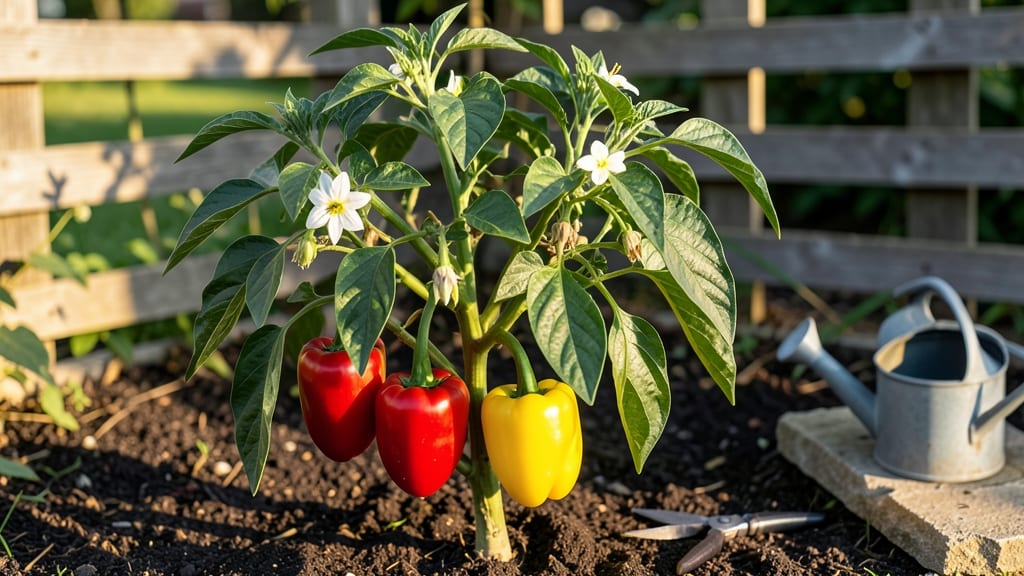
Those lush hanging pepper plants turn your porch into a spicy harvest factory—just don’t assume every pepper loves dangling upside-down! 🌿 difference. My first attempt with bell peppers ended in leggy, fruitless plants, but this year, I’m doing it right with compact varieties and proper care.
The secret lies in choosing dwarf or bush varieties like 'Snackable,' 'Jalapeño M,' or 'Shishito'—these stay compact and produce well in hanging containers.
You’ll need 5-gallon fabric pots with drainage holes (plastic traps too much moisture), a well-draining potting mix with compost, and a strong hook or bracket that can support 15-20 pounds per plant. Sunlight is non-negotiable: 6+ hours of direct light daily, or your peppers will stretch and produce poorly.
By mid-summer, you’ll be harvesting dozens of peppers from a single hanging pot—far more than ground plants in the same space.
The key is watering at the soil level (not overhead) to prevent fruit rot, pruning suckers to keep energy in fruit production, and fertilizing every 3-4 weeks with a balanced organic feed. Even in small spaces, this method delivers bigger yields per square foot than traditional gardening.
Works for balconies, patios, or even a sunny windowsill—just adjust sunlight and watering for your setup. The only real mistake? Waiting until summer to start. Begin seeds 8-10 weeks before last frost indoors, or buy sturdy transplants early.
Here’s how to make it work without the trial-and-error of my first attempt.
📚 In This Guide
- What you need
- Instructions
- Tips and common mistakes
- Wrapping up and next steps
What you need
- ● Pepper plants: 3–5 dwarf or trailing pepper varieties (e.g., 'Shishito,' 'Jalapeño M,' or 'Cherry Bomb'). Choose disease-resistant types for best results.
- ● Hanging planters: 2–4 10–12" diameter fabric or plastic grow bags (with drainage holes) or macramé hangers with sturdy pots.
- ● Potting mix: 1–2 5-gallon bags of high-quality, well-draining soil (mix in perlite or coconut coir for aeration).
- ● Fertilizer: Balanced organic fertilizer (10-10-10 or compost tea) or slow-release granules (follow package rates).
- ● Support system: Trellis, wire mesh, or sturdy hooks to hang planters at 12–18" above ground (peppers need airflow!).
- ● Basic tools: Hand trowel, pruning shears, and watering can with a long spout (or hose with gentle nozzle).
- ● Sunlight access: 6+ hours of direct sunlight daily (south-facing window or grow lights for indoor setups).
- ● Watering schedule: Self-watering system or consistent hand-watering (peppers hate soggy roots!).
- ● Grow lights (LED full-spectrum for 12–14 hours/day if indoors).
- ● Companion plants like basil or marigolds (plant in the same container to deter pests!).
- ● Drip irrigation kit for automated watering.
- ● Epsom salt (1 tbsp/month) to boost magnesium for fruiting.
Step-by-step instructions for growing peppers vertically in hanging baskets
Here's how to maximize space and harvest while keeping peppers happy in suspended containers.
🪴 Step 1: Select the Right Hanging Containers and Drainage
Choose fabric grow bags or plastic hanging baskets with multiple drainage holes—peppers hate soggy roots. I prefer 10-12 inch diameter containers for each plant since they need room to spread. If using plastic, add 1-2 extra drainage holes with a drill if they're not pre-drilled.
Line the bottom with 1 inch of pebbles or broken pottery to prevent soil from washing out while still allowing excess water to escape. This layer is critical—without it, roots will suffocate when water pools at the bottom. Fill the container halfway with well-draining potting mix (never garden soil—it compacts too much in hanging setups).
🌱 Step 2: Plant Peppers with Proper Spacing and Support
Dig a hole twice as wide as the root ball but only as deep as the container's original planting line—peppers don't like being buried too deep. Gently remove the plant from its nursery pot and loosen the roots if they're circling. Place it in the center of the container and fill around it with additional potting mix, pressing lightly to eliminate air pockets.
Here's the thing—peppers grow top-heavy, so install a support stake or small tomato cage right away. Push it in 3-4 inches deep and secure the main stem with soft plant ties (nylon stockings work great). You'll see why this matters when the first heavy pepper forms—unstaked plants topple over like dominoes.
☀️ Step 3: Position for Maximum Sunlight and Airflow
Hang your baskets where they'll get 6-8 hours of direct sunlight daily—south or west-facing walls are ideal. Peppers need warmth (ideal temperature is 70-85°F), so avoid shady spots or areas with afternoon shade. If your space lacks natural light, supplement with a grow light placed 12-18 inches above the plants for 14-16 hours daily.
Space baskets 18-24 inches apart to ensure good airflow—this prevents fungal diseases like powdery mildew. You'll notice healthier foliage and fewer pests when plants aren't crowded. If growing in a row, alternate sides for even sunlight exposure. Rotate the baskets a quarter turn weekly so plants grow upright instead of leaning toward the light.
💧 Step 4: Water and Fertilize for Hanging Success
Water deeply when the top inch of soil feels dry—hanging baskets dry out faster than ground containers. I use a watering can with a long spout to reach the roots without disturbing the plant. Water until it drains freely from the bottom, then empty the saucer to prevent root rot. In hot weather, you might need to water daily, but check soil moisture first—overwatering is the #1 killer of hanging peppers.
Feed every 2-3 weeks with a balanced liquid fertilizer (10-10-10 or 20-20-20) diluted to half strength. You'll see new leaves forming and peppers setting faster when the plants get consistent nutrients. Stop fertilizing 4-6 weeks before harvest to let flavors concentrate. Mulch the soil surface with 1 inch of straw to retain moisture and regulate temperature.
✂️ Step 5: Prune and Harvest for Continuous Production
Pinch off flower buds on the first 6-8 inches of stem to encourage bushier growth. This might seem counterintuitive, but it helps the plant develop a stronger root system before fruiting. Once the plant is established, let flowers form naturally—you'll see peppers set within 2-3 weeks of flowering.
Harvest peppers when they reach full color and firm texture—green peppers are ready at 3-4 inches, while reds take 75-90 days. Cut stems with clean pruners to avoid damaging the plant. Prune yellow or diseased leaves immediately to keep airflow circulating. Regular harvesting encourages more production, so check plants every 2-3 days during peak season.
Tips & tricks for maximizing hanging pepper plant success
Don't let these small details make or break your vertical pepper garden—here's how to get it right.
Container Material Matters: Fabric grow bags actually outperform plastic for hanging peppers because they allow roots to breathe better and dry out more evenly. The breathable walls prevent the dreaded "soggy bottom" syndrome that can rot roots in plastic containers. If you're using plastic, those extra drainage holes you drill? Make them 1/4-inch wide—smaller holes clog with soil particles over time. I've seen plastic baskets fail when the drainage becomes restricted, so don't skimp on this step.
Root Support Strategy: The 3-4 inch deep stake in Step 2 isn't just about preventing toppling—it's about creating a stable anchor for the plant's rapid vertical growth. I've seen peppers grow 12+ inches tall in just 6 weeks, and without proper support, they'll start bending at the base. For extra stability, add a second stake on the opposite side of the basket once the plant reaches 18 inches tall. This creates a natural trellis effect that also improves airflow around the plant.
Lighting Hacks for Limited Sun: If you're supplementing with grow lights, position them 12 inches above the plants during the 14-16 hour daily requirement—closer than 12 inches can scorch leaves, while higher than 18 inches won't provide enough intensity. I use a simple timer to automate the lights, which saves me from remembering to turn them on/off daily. For the 6-8 hours of direct sunlight requirement, south-facing windows are ideal, but west-facing gets the most intense afternoon light that peppers actually thrive in.
Watering Wisdom: The "top inch dry" rule works, but here's the secret: water in the morning so any excess drains away before evening. I've found that hanging baskets with peppers dry out 20-30% faster than ground containers because they're exposed to wind and sun from all sides. In extreme heat (above 90°F), I water twice daily—once in the morning and once in the late afternoon—but always check that soil before watering to avoid root rot.
Pro Tips for Hanging Pepper Plants
- Don't let these small details make or break your vertical pepper garden—here's how to get it right.
- Container Material Matters: Fabric grow bags actually outperform plastic for hanging peppers because they allow roots to breathe better and dry out more evenly.
- Root Support Strategy: The 3-4 inch deep stake in Step 2 isn't just about preventing toppling—it's about creating a stable anchor for the plant's rapid vertical growth.
Frequently asked questions
Can I grow any pepper variety in a hanging planter?
Most pepper varieties thrive in hanging planters, but bushier types (like Bell Peppers or Jalapeños) adapt better than sprawling habaneros or long cayennes. Choose determinate (bush) varieties or prune vines to prevent overcrowding. For heavy producers, opt for 10+ gallon containers with sturdy support.
How long does it take for hanging pepper plants to bear fruit?
Patience is key! With proper care, expect 60–90 days from transplanting to first fruit (for early varieties) or up to 120 days for slower growers. Hanging plants may fruit slightly later than ground-grown ones due to limited root space, but pruning and consistent feeding speed things up.
Do hanging pepper plants need special watering?
Yes! Hanging pots dry out faster than ground containers. Water when the top 1–2 inches of soil feel dry, and use a self-watering system or drip irrigation to avoid root stress. Morning watering prevents fungal issues, and mulch the soil surface to retain moisture.
What pests should I watch for in hanging pepper plants?
Common culprits include aphids, spider mites, and whiteflies—they love the undersides of leaves! Inspect plants weekly and blast pests off with water or use neem oil for organic control. Yellow sticky traps can catch flying insects early. Prune heavily infested leaves immediately to stop spread.
Can I move my hanging pepper plants indoors for winter?
If you’re in a cold climate, yes—but with caveats! Pepper plants need 6+ hours of sunlight daily, so place them near a south-facing window or under grow lights. Reduce watering (soil stays moist but not soggy) and stop fertilizing until spring. Most peppers go dormant in winter, so harvest all ripe fruit before moving them inside.
Wrapping up and next steps
Growing hanging pepper plants is a rewarding way to maximize your garden space while enjoying fresh, flavorful peppers year-round! With the right setup—whether it’s macramé hangers, sturdy pots, or a DIY trellis—you’ll unlock a bountiful harvest in even the smallest of spaces. 🌱
Ready to take the next step? Start small with a few plants, experiment with varieties, and watch your vertical garden thrive. Happy planting—and may your peppers be plentiful!