
Companion Plants
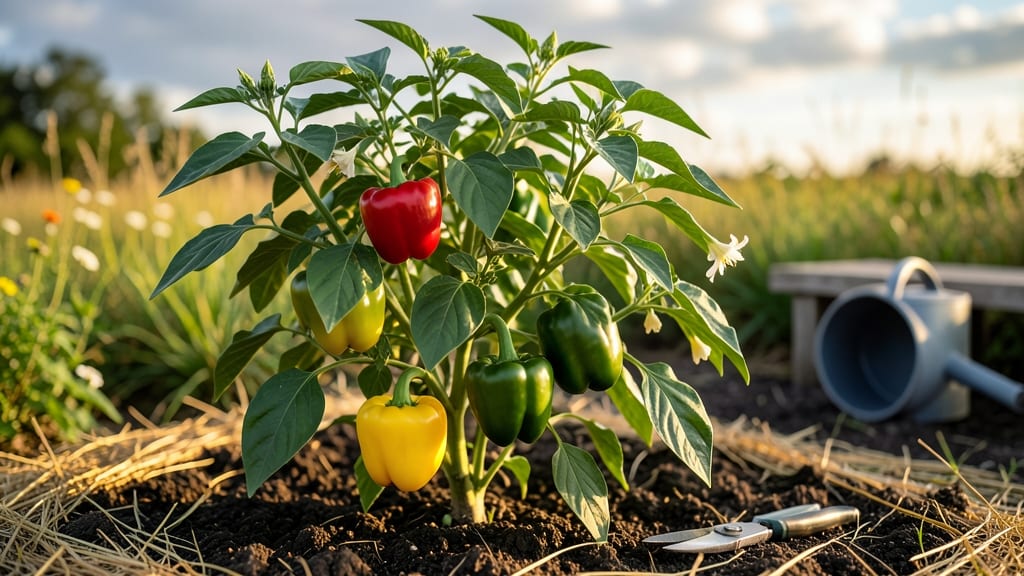
Learn how to take care of pepper plants the right way, and your garden becomes a spice factory—just master sunlight, water, soil, and patience. 🌱 I’ve grown everything from sweet bell peppers to fiery habaneros, and the difference between a thriving plant and a sad one comes down to these basics.
Skip the fancy gadgets; focus on what peppers actually need to flourish.
Start with well-draining soil mixed with compost—peppers hate soggy roots. Place them in 6+ hours of direct sun daily, and water only when the top inch feels dry. Overwatering is the #1 killer, so let the soil dry slightly between drinks.
A balanced fertilizer every 4-6 weeks keeps them hungry for more—literally. Prune only to remove dead leaves or crowded branches; too much trimming stresses the plant.
By midsummer, you’ll see the payoff: glossy green leaves, sturdy stems, and peppers that start small and grow into bold, flavor-packed harvests. The first fruits might be small, but each one packs more punch than store-bought. Save seeds from your best peppers for next year’s garden—they’re free, heirloom-quality spice.
Whether you’re growing in pots on a balcony or rows in the ground, peppers adapt. Just watch for pests like aphids (spray with soapy water) and keep an eye out for blossom end rot—calcium helps prevent that.
With these simple steps, you’ll go from seedling to harvest in 8-12 weeks, and your kitchen will never be the same.
📚 In This Guide
- What you need
- Instructions
- Tips and common mistakes
- Wrapping up and next steps
What you need
- ● Pepper plants: 3–6 plants per person (or 1 plant per 1–2 feet of garden space). Choose varieties like jalapeño, bell, habanero, or cayenne based on your taste and climate.
- ● Containers or garden bed: Containers: 5–10 gallon pots (1 plant per pot) with drainage holes. Pro tip: Use fabric grow bags for better root aeration! 💡
- ● Garden bed: Well-draining soil with a pH of 6.0–7.0. Raised beds are ideal for heavy or clay soil.
- ● High-quality potting mix: 1–2 bags (look for organic, peat-free mixes with perlite or vermiculite for drainage).
- ● Compost or fertilizer: Balanced fertilizer: 10-10-10 or 5-10-10 (follow package rates for application).
- ● Organic options: Composted manure, worm castings, or a slow-release granular fertilizer.
- ● Mulch: Straw, wood chips, or black plastic (to retain moisture and suppress weeds).
- ● Hand trowel or small shovel (for planting and soil prep).
- ● Watering can or hose with a gentle nozzle (peppers hate soggy roots!).
- ● Pruning shears (for trimming dead leaves or shaping plants).
- ○ Gloves (optional but handy for handling spicy peppers!).
- ○ Support stakes or cages (optional for taller varieties like bell peppers).
- ● Sunlight: At least 6–8 hours of direct sun daily (more is better for fruiting!).
- ● Warmth: Peppers thrive in temperatures between 70–90°F (21–32°C). Avoid frost—these plants are not cold-hardy! ❄️
- ● Water: Consistent moisture (1–1.5 inches per week). Drip irrigation or soaker hoses work best.
Step-by-step instructions for caring for pepper plants
Here's how I keep my pepper plants productive with just a few simple routines.
🌱 Step 1: Choose the Right Location for Sun and Warmth
Pepper plants crave 6-8 hours of direct sunlight daily. Place them where they'll get morning sun and afternoon shade if your summers are scorching—peppers appreciate warmth but not midday heat stress. I position mine near my kitchen window where they get southern exposure, and I rotate the pots a quarter turn weekly so they don't lean toward the light.
Keep temperatures between 70-85°F—peppers sulk below 55°F and drop flowers. If your nights dip below 60°F, move plants indoors temporarily or use a small space heater to keep soil roots warm. You'll know they're happy when leaves stay glossy and dark green, not yellowing or wilting.
💧 Step 2: Water Deeply but Infrequently
Water peppers when the top 1-2 inches of soil feel dry—stick your finger in to check. I water deeply until water runs out the drainage holes, then let the soil dry slightly between waterings. Overwatering causes blossom end rot, so I always let the top layer dry out completely before watering again. Use room-temperature water to avoid shocking the roots.
Mulch with 2-3 inches of straw or shredded leaves to keep moisture consistent and prevent soil splashing on leaves (which spreads disease). You'll notice healthier growth and fewer problems once the soil stays evenly moist but never soggy. Avoid wetting the leaves when watering—aim for the soil base instead.
☀️ Step 3: Fertilize for Strong Growth and Fruit
Feed peppers every 2-3 weeks with a balanced 10-10-10 fertilizer or a tomato/vegetable-specific formula. I mix a tablespoon of granules into the top inch of soil and water it in. Too much nitrogen makes plants leafy but fruitless, so I cut back on fertilizer once flowers appear. You'll see stronger stems and more blossoms when you maintain this balance.
Once flowers form, switch to a fertilizer higher in phosphorus (like 5-10-10) to encourage fruit set. I also add a handful of compost around the base monthly to boost soil health. Watch for dark green leaves and sturdy stems—they're your signs the plant is getting the right nutrients.
✂️ Step 4: Prune and Support for Better Yields
Pinch off the first few flowers that appear—this sounds counterintuitive, but it redirects the plant's energy to stronger root and stem growth. Once the plant is established (about 6 weeks after transplanting), let it flower freely. Remove any suckers (side shoots) that form in the leaf axils to keep energy focused on fruit production.
Stake or cage plants when they reach 12 inches tall—peppers get top-heavy with fruit. I use bamboo stakes tied with soft twine to avoid damaging stems. Prune any yellow or diseased leaves immediately to prevent spread. You'll notice more peppers and fewer fallen branches once the plants are properly supported.
🌿 Step 5: Harvest and Encourage Continued Production
Pick peppers when they're fully colored and firm—this encourages more fruit to develop. I harvest with clean scissors, cutting the stem just above the fruit. Don't pull peppers off; this can damage the plant. Store freshly picked peppers in a cool, dry place for up to 2 weeks or use them immediately for the best flavor.
After harvesting, give the plant a light feeding with a low-nitrogen fertilizer to keep it producing. Remove any spent flowers or overripe peppers that might drain the plant. You'll see new blossoms forming within 1-2 weeks if the plant is healthy and well-cared-for. Keep up with these steps, and you'll have peppers all season long!
Tips & tricks for perfect pepper plant care
Confession: I skipped the weekly rotation trick for years and wondered why my plants grew lopsided. These small adjustments make all the difference for happy, productive peppers.
Sunlight Strategy: Those 6-8 hours of sunlight are non-negotiable, but here's what I learned: if your summers are scorching, move plants to dappled shade by midday to prevent heat stress. I notice my plants thrive best with morning sun and afternoon shade—especially during heatwaves. The key is watching the leaves: if they look wilted during peak sun, it's time to adjust their position.
Temperature Rescue: When nights dip below 60°F, don't just hope for the best—act fast. I keep a small space heater near my plants during chilly nights, but only warm the soil, not the leaves. You'll know it's working when leaves stay glossy and dark green rather than developing yellow patches. Remember, peppers drop flowers below 55°F, so prevention is key.
Watering Wisdom: That finger-in-the-soil check is crucial, but here's the secret: water until it runs out the drainage holes. I use a watering can with a narrow spout to direct water to the soil base, avoiding the leaves completely. This prevents diseases like early blight that spread through wet foliage. The mulch layer (2-3 inches) helps maintain even moisture without the guesswork.
Pruning Payoff: Pinching those first flowers might feel counterintuitive, but trust me on this: it redirects energy to root and stem growth. After 6 weeks, when plants are established, I let them flower freely. I also remove any suckers that form in leaf axils—these little side shoots sap energy that could go toward fruit production. You'll notice stronger stems and more peppers when you keep the plant's energy focused.
Pro Tips for Take Care Of Pepper Plants
- Confession: I skipped the weekly rotation trick for years and wondered why my plants grew lopsided. These small adjus...
- Sunlight Strategy: Those 6-8 hours of sunlight are non-negotiable, but here's what I learned: if your summers are sco...
- Temperature Rescue: When nights dip below 60°F, don't just hope for the best—act fast. I keep a small space heater ne...
Frequently asked questions
Got questions about keeping your pepper plants happy and productive? You’re not alone! Here are some of the most common concerns—and straightforward answers—to help you grow like a pro.
How often should I water pepper plants?
Water pepper plants deeply but infrequently—about 1 to 1.5 inches per week, depending on your climate. Let the top inch of soil dry out between waterings to prevent root rot. Morning watering is best to reduce fungal risks, and mulch helps retain moisture. Overwatering is a bigger threat than underwatering!
When is the best time to harvest peppers?
Most peppers are ready to harvest 60 to 90 days after transplanting, but timing depends on the variety and your goals. For green peppers, pick when firm and glossy. For red/yellow peppers, wait until they fully ripen—color change signals peak sweetness and flavor! Use sharp scissors or pruners to avoid damaging the plant.
What are the most common pepper plant pests, and how do I stop them?
Watch for aphids, spider mites, and hornworms—they love peppers! Prevent pests with neem oil or insecticidal soap, and introduce beneficial insects like ladybugs. For hornworms, handpick them (they’re easy to spot!) or use Bt (Bacillus thuringiensis), a natural bacteria-based pesticide. Healthy plants resist pests better—so prioritize sunlight and balanced fertilizer!
Can I grow peppers in containers, and what size pot do I need?
Pepper plants thrive in containers as long as the pot is at least 12–18 inches deep and wide (bigger for bush varieties like bell peppers). Ensure it has drainage holes to prevent soggy roots. Use a lightweight potting mix with compost, and place the container in full sun (6+ hours daily). Dwarf varieties (like ‘Jalapeño M’) are perfect for small spaces!
Why are my pepper flowers falling off before fruiting?
This usually happens due to temperature stress (below 55°F or above 90°F), poor pollination, or nutrient deficiencies. Hand-pollinate with a small brush if bees are scarce, and ensure consistent watering. For heat stress, provide afternoon shade during extreme temps. A balanced 10-10-10 fertilizer can also encourage flowering and fruiting.
Wrapping up and next steps
Taking care of pepper plants is all about patience, consistency, and a little love—and with the right techniques, you’ll be rewarded with a bountiful harvest! 🌱 From choosing the perfect spot to pruning and pest control, every step plays a role in keeping your plants happy and productive.
Remember, even the most experienced gardeners face challenges, but don’t let setbacks discourage you.
Now that you’re armed with the knowledge, roll up your sleeves and get growing! Start by planting a seed or two this weekend, and soon you’ll be enjoying fresh, homegrown peppers. Happy gardening! 🌶️💚