
Vegetables
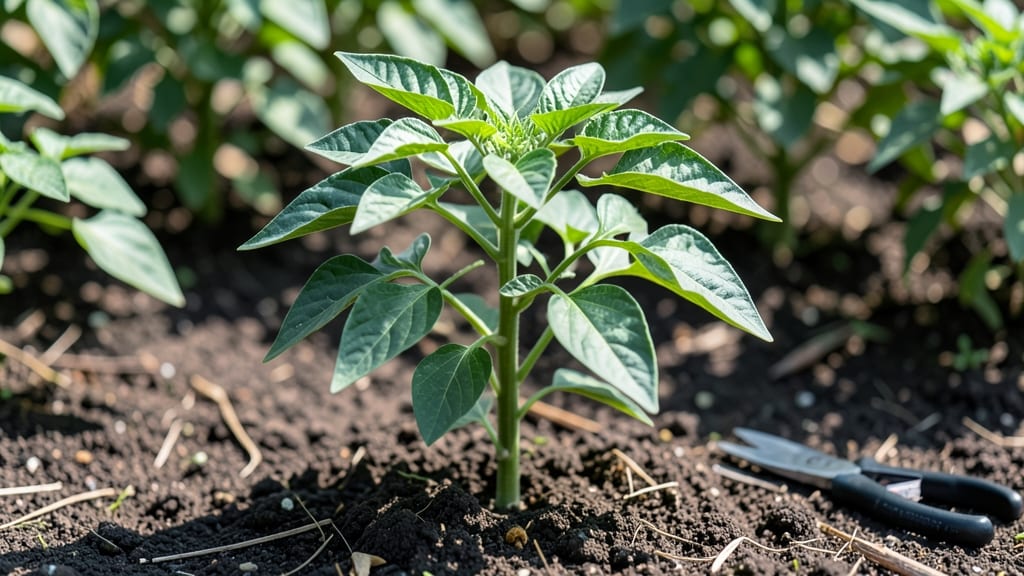
Green pepper seedlings start in 7-10 days when you use these tricks—no more waiting weeks for stubborn sprouts. 🌱 I’ve grown hundreds of peppers, and the difference between fast germination and slow starts with soil warmth, moisture, and a little prep work.
Most beginners overcomplicate it, but the secret is keeping things simple: the right soil, consistent warmth, and patience. The magic happens in a warm, moist environment—think of it like a mini greenhouse.
Use a seed-starting mix (not garden soil), plant seeds ¼-inch deep, and keep the soil at 75-85°F with a heat mat or sunny windowsill. Overwatering is the #1 killer, so mist lightly and keep the tray covered until sprouts appear.
Once they do, you’ll see tiny leaves unfurl in 3-5 days. By week 3, your seedlings should be bushy and sturdy, ready for transplanting. They’ll have 4-6 true leaves (not the first seed leaves) and strong stems that won’t snap when you handle them.
The key is light exposure—14+ hours of bright light daily prevents leggy, weak plants. This method works for all pepper varieties, from sweet bell peppers to spicy jalapeños.
Avoid common mistakes like planting too deep or letting soil dry out, and you’ll have a head start on a bountiful harvest. Let’s get those seeds sprouting!
📚 In This Guide
- What you need
- Instructions
- Tips and common mistakes
- Wrapping up and next steps
What you need
- ● Green pepper seeds: Choose high-quality, disease-resistant varieties (e.g., Bell Pepper, Jalapeño, or Cayenne). Aim for 3–5 seeds per pot (you’ll thin later).
- ● Seed-starting mix: A lightweight, sterile potting mix (avoid garden soil—it’s too dense!). A 10–12 quart bag covers 10–15 seedlings.
- ● Containers: Biodegradable pots (4–6 inches deep) or plastic cell trays (for easy transplanting).
- ● 1–2 containers per seed (or 1 tray with 12+ cells).
- ● Grow lights or sunny windowsill: Seedlings need 12–16 hours of light daily. A full-spectrum LED grow light (20–30 watts) works well if natural light is limited.
- ● Watering can or spray bottle: A gentle spray keeps seeds moist without disturbing them.
- ○ Heat mat (optional but helpful): Maintains 75–85°F soil temp for faster germination (especially useful in cool climates).
- ● Small hand trowel or spoon: For planting seeds ¼–½ inch deep.
- ● Labels & markers: Track varieties (e.g., “Bell Pepper – Planted 3/15”).
- ● Humidity dome or plastic wrap: Creates a mini greenhouse to retain moisture (remove after germination).
- ● Fertilizer (after sprouting): A balanced, water-soluble fertilizer (e.g., 10-10-10) at ½-strength when seedlings have 2–3 true leaves.
- ● Scissors or knife: For trimming leggy seedlings later.
Step-by-step instructions for growing bushy green pepper seedlings
Here's the method I've perfected for speedy germination and stocky, disease-resistant seedlings.
🌱 Step 1: Pre-Soak Seeds for Faster Germination
Place your green pepper seeds in a small bowl and cover them with lukewarm water for 12 hours. This softens the seed coat and triggers faster germination—you'll see sprouts in 5-7 days instead of the usual 10-14. I like to use a mesh bag or folded paper towel to keep seeds contained while soaking.
After soaking, drain the seeds and let them sit on a damp paper towel for another 12 hours in a warm spot. You'll notice the seeds plump up slightly—that's your signal they're ready to plant. Don't skip this step; it cuts germination time nearly in half and prevents weak, slow-starting seedlings.
🪴 Step 2: Prepare Containers and Planting Mix
Fill 4-inch biodegradable pots with a lightweight seed-starting mix—never garden soil, which compacts and suffocates roots. Press the mix down gently until it's firm but still crumbly. The goal is a surface that holds its shape when touched but doesn't feel packed like wet sand.
Plant 2 seeds per pot, ¼ inch deep, using your finger to make small holes. Space them 1 inch apart to avoid overcrowding. Cover lightly with additional mix, then mist gently with water until the surface looks uniformly damp. Too much water here will bury seeds too deep and delay sprouting.
💧 Step 3: Create a Humidity Dome for Optimal Conditions
Cover the pots with clear plastic wrap or a humidity dome to trap warmth and moisture. Green pepper seeds germinate best at 75-85°F, so place them on a seedling heat mat if your home runs cooler. Check daily for condensation—if the dome fogs up, your humidity is perfect.
Keep the setup in bright indirect light (no direct sun yet) until sprouts appear. You'll see tiny white roots breaking through the soil first, followed by the seed leaves in 5-7 days. Once 50% of seeds have sprouted, remove the dome immediately to prevent damping-off disease.
☀️ Step 4: Provide Strong Light for Bushy Growth
The instant seedlings emerge, move them under grow lights or to a south-facing window where they'll get 14-16 hours of light daily. Without enough light, seedlings stretch toward the source (called "legginess") and never develop strong stems. I position my lights 2-3 inches above the plants and raise them weekly as seedlings grow.
Watch for deep green leaves and thick stems—these are signs your seedlings are getting the right light. If leaves look pale or stems bend toward the light, you need to lower the lights or increase exposure. Rotate pots quarter-turn daily so plants grow straight instead of leaning.
✂️ Step 5: Thin and Harden Off for Transplant Success
When seedlings have 2-3 true leaves (the second set after the initial seed leaves), thin to the strongest plant per pot. Snip the weaker seedling at the soil line with scissors—pulling risks disturbing roots. This gives your pepper the space to develop a bushy, sturdy frame before transplanting.
Two weeks before your last frost date, start hardening off by placing seedlings outside in partial shade for 1 hour daily. Gradually increase time and sun exposure over 7-10 days. You'll know they're ready when they handle full sun without wilting. Transplant on an overcast afternoon to reduce shock.
Tips & tricks for perfect green pepper seedlings
Here's what nobody tells you about getting those seedlings off to the fastest, healthiest start.
The Soak Secret: That 12-hour soak in lukewarm water isn't just about speed—it's about consistency. I've found using a mesh bag works best because it keeps seeds evenly submerged without overcrowding. After draining, place the damp paper towel in a sealed plastic bag with a few drops of water to maintain moisture during the second 12-hour rest. This creates a mini greenhouse effect that jumpstarts germination.
Temperature Matters: The 75-85°F range is critical, but don't assume your home stays within that zone. If your kitchen runs cooler, prop the seedling tray on top of your refrigerator (not inside!) or use a seedling heat mat. I've seen germination times double when seeds sit in cooler spaces—those 5-7 days can stretch to 14 days if you're not careful. A simple thermometer near your setup prevents this common mistake.
Lighting Strategy: Those 14-16 hours of light aren't just about duration—they're about quality. If using grow lights, position them just 2-3 inches above seedlings and adjust weekly. I've ruined batches by keeping lights too high (leggy seedlings) or too low (burnt leaves). For window growers, rotate pots quarter-turn daily to prevent leaning. Watch for pale leaves—they're begging for more light or a lower position.
Disease Prevention: The moment 50% of seeds sprout, remove that humidity dome immediately. I've lost entire batches to damping-off when I waited too long. After removing the dome, mist seedlings with a fungicide solution (1 tsp baking soda + 1 quart water) every 7-10 days as a preventative measure. This simple step keeps your seedlings thriving instead of turning to mush.
Pro Tips for Green Pepper Seedling
- Here's what nobody tells you about getting those seedlings off to the fastest, healthiest start.
- The Soak Secret: That 12-hour soak in lukewarm water isn't just about speed—it's about consistency.
- Temperature Matters: The 75-85°F range is critical, but don't assume your home stays within that zone.
Frequently asked questions
Got questions about growing green pepper seedlings?
You're not alone! Whether you're a first-time gardener or looking to tweak your technique, here are answers to the most common queries—so you can grow bushy, thriving plants with confidence.
How long does it take for green pepper seeds to germinate?
With the right conditions (warmth, moisture, and darkness), green pepper seeds typically sprout in 7–14 days. Use a heat mat (70–85°F) to speed things up—some seeds may even crack open in 5–7 days! If nothing appears after 2 weeks, gently check for mold or rot and replant fresh seeds.
When should I transplant green pepper seedlings outdoors?
Wait until all danger of frost has passed and soil temps hit at least 60°F (use a soil thermometer to confirm). Seedlings need to be 6–8 weeks old and have 3–4 true leaves before moving them outside. Harden them off for 7–10 days first by gradually exposing them to outdoor conditions.
Why are my green pepper seedlings turning yellow or leggy?
Yellow leaves often signal overwatering or poor drainage, while leggy stems mean lack of light. Fix it by:
- Ensuring pots have drainage holes and water only when the top inch of soil is dry.
- Moving seedlings within 2–3 inches of a grow light (14–16 hours/day) or to a sunnier spot.
- Thinning crowded seedlings to 12–18 inches apart for better airflow.
Can I grow green peppers from store-bought peppers?
Yes, but with limited success. Seeds from hybrid varieties (like bell peppers) may not produce true-to-type peppers. For best results, use heirloom or labeled seeds from a nursery. If you try it, save seeds from organic, non-hybrid peppers like jalapeños or serranos—rinse, dry, and store them in a cool, dark place.
How do I protect green pepper seedlings from pests?
Common culprits include aphids, spider mites, and cutworms. Prevent issues with:
- A light spray of neem oil (weekly, if needed).
- Row covers or diatomaceous earth for soil-dwelling pests.
- Encouraging beneficial insects like ladybugs by planting marigolds nearby.
Wrapping up and next steps
Growing green pepper seedlings into lush, productive plants is totally within your reach—just follow these fast-germination tricks! With the right soil, warmth, and care, you’ll be harvesting crisp, flavorful peppers in no time. 🌱
Now that you’re armed with tips and answers, roll up your sleeves and get planting! Start with those seeds today, and soon you’ll be enjoying homegrown peppers straight from your garden. Happy growing! 🌿