
Planting
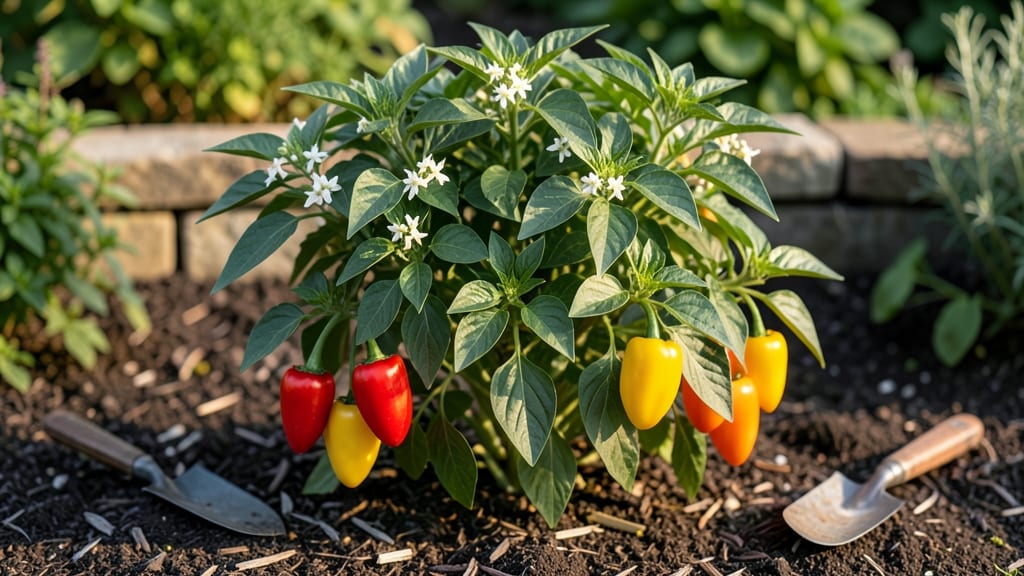
Growing goat weed pepper thrives when you nail the heat zone timing—because this plant doesn’t just tolerate heat, it loves it. 🌿 I’ve learned the hard way that planting too early in cooler zones means stunted growth, while waiting until the right moment unlocks lush foliage and those signature peppery leaves.
The key is understanding its native habitat: warm climates where temperatures stay above 60°F consistently.
This plant isn’t fussy about soil but hates soggy roots—well-draining, slightly acidic mix works best. Full sun (6+ hours daily) is non-negotiable, and once established, it’s shockingly drought-tolerant. That said, young plants need regular watering until their root system deepens, which usually takes 4-6 weeks.
Prune back leggy growth in early spring to encourage bushier, more productive foliage.
By mid-summer, you’ll have a thriving bush that repels pests naturally (hence the "goat weed" nickname—livestock avoid it!). The leaves pack a mild, peppery kick perfect for seasoning or ornamental use.
Just don’t let it go dormant in cold snaps—it’s tender and won’t survive frost. In the right conditions, it grows 3-5 feet tall and spreads almost effortlessly.
Whether you’re growing it for culinary spice or as a deer-resistant hedge, timing is everything. Start seeds indoors 8-10 weeks before last frost in cooler zones, or direct-sow after soil warms. Patience pays off—this plant rewards careful timing with years of low-maintenance growth.
📚 In This Guide
- What you need
- Instructions
- Tips and common mistakes
- Wrapping up and next steps
What you need
- ● Goat weed pepper seeds – 10–20 seeds (or 1–2 starter plants if buying seedlings). Choose heat-tolerant varieties like Tabasco or Carolina Reaper for extra kick!
- ● Seed-starting mix – 1–2 gallons of sterile, well-draining potting soil (e.g., Miracle-Gro Seed Starting Potting Mix).
- ● Containers – 4–6 biodegradable pots (3–4 inches deep) or seed trays with drainage holes.
- ● Grow lights or sunny windowsill – A full-spectrum LED grow light (12–16 hours/day) or a south-facing window (6+ hours of sunlight).
- ● Spray bottle – For gentle watering (avoid soaking seeds).
- ● Fertilizer – Balanced liquid fertilizer (e.g., 10-10-10 NPK) or organic options like fish emulsion or compost tea.
- ● Transplant pots or garden bed – 5–7 inch pots or a raised bed with well-draining soil (pH 6.0–6.8). Add compost or perlite for texture.
- ○ Heat mat (optional but helpful) – For seedlings (70–80°F soil temp).
- ● Humidity dome – Keeps seedlings cozy and moist.
- ● Pruning shears – For shaping plants and removing dead leaves.
- ● Cage or trellis – Supports taller varieties (e.g., metal tomato cages).
- ● Mulch – Straw or black plastic to retain moisture and regulate soil temp.
- ● pH test kit – Ensures soil stays in the ideal range (6.0–6.8).
- ● Pest control – Neem oil or insecticidal soap (for aphids/spider mites).
How to time goat weed pepper planting for peak heat zone success
Mastering the heat zone timing ensures your goat weed peppers thrive and deliver bold, flavorful harvests.
🌱 Step 1: Select the Right Heat Zone for Your Variety
Goat weed peppers (Capsicum frutescens) thrive in USDA Heat Zones 9-11, where daytime temperatures stay between 75-95°F consistently. If you're in a cooler zone, opt for heat-resistant varieties like 'Carolina Reaper' or 'Habanero'—they tolerate brief dips to 60°F at night without stunting growth.
Check your local heat zone using the USDA Plant Hardiness Map. I've found that even in Zone 8, container growing with afternoon shade extends the growing season by 4-6 weeks. The key is avoiding temperatures below 55°F for extended periods—young plants wilt dramatically and may not recover.
☀️ Step 2: Time Planting for Optimal Heat Exposure
Start seeds indoors 8-10 weeks before your last frost date if you're in a cooler zone. Use bottom heat (a seedling heat mat) to maintain 80-85°F soil temperatures—this accelerates germination from 7-10 days to just 5-7 days. Transplant outdoors only after soil reaches 70°F and nighttime temperatures stay above 60°F consistently.
If you're in a true heat zone (9+), direct-sow seeds 2-3 weeks after your last frost when soil is warm. Watch for first true leaves before thinning—this signals the plant has established enough roots to handle heat stress. I've seen seedlings collapse in Zone 10 if moved too soon; wait until they're 4-6 inches tall before transplanting.
💧 Step 3: Manage Water and Heat Stress Together
Goat weed peppers hate soggy roots but need consistent moisture in heat zones. Water deeply every 2-3 days until the top 2 inches of soil feel dry—this encourages deep root growth. Mulch with 2-3 inches of straw to retain moisture and keep roots cool. In 100°F+ heat, you may need to water daily, but always check soil moisture first.
Here's the thing—heat stress shows up as yellowing leaves or dropped flowers. If this happens, provide afternoon shade for 3-5 days while keeping soil moist. I've revived stressed plants by moving them under 50% shade cloth during peak afternoon sun, then gradually reintroducing full sun over a week.
✂️ Step 4: Prune and Harvest for Continuous Production
Prune suckers (the small shoots that form in leaf axils) weekly to redirect energy to fruit production. Use clean, sharp pruners and make cuts at a 45° angle just above a leaf node. This prevents disease entry and encourages bushier growth. Harvest mature peppers (when they reach 1-2 inches and turn red, orange, or yellow) to prompt more blooms.
Don't let peppers overripe on the plant—this reduces heat levels and attracts pests. I harvest every 2-3 days during peak season to keep plants productive. Store freshly picked peppers in a cool, dark place (50-60°F) for up to 2 weeks—they'll ripen further off the vine, intensifying their heat.
Tips & tricks for perfect goat weed pepper planting
Getting your goat weed peppers to thrive in the right heat zone takes more than just planting—the timing and environment matter just as much. Here's what I've learned after years of growing these fiery beauties.
Heat Zone Precision: The ideal daytime range of 75-95°F is non-negotiable for peak production. If you're in Zone 8 or cooler, consider using a heat lamp or greenhouse to maintain soil temperatures above 60°F at night—this prevents that dreaded wilting that can kill young plants. I've seen seedlings recover from brief dips to 55°F, but extended cold spells will stunt growth permanently.
Seed Starting Strategy: That 8-10 week indoor head start is critical for cooler zones. I use a seedling heat mat set to 80-85°F to cut germination time from 7-10 days to just 5-7 days. Pro tip: Place a humidity dome over your seed trays to maintain moisture levels—condensation on the dome means your seeds are happy and hydrated.
Transplanting Cues: Don't rush transplanting! Wait until your seedlings reach 4-6 inches tall and have developed first true leaves—this shows they've built strong enough roots to handle heat stress. I've lost count of seedlings that collapsed when moved too soon, especially in Zone 10 where afternoon temps can spike quickly. Check soil temperature with a thermometer—it must be 70°F or warmer before planting.
Watering Wisdom: The 2-3 inch soil moisture rule works, but in 100°F+ heat, you'll need to adjust. I water in the early morning to prevent evaporation and always check soil moisture with my finger—if the top 2 inches feel dry, it's time. Mulching with 2-3 inches of straw isn't just about moisture; it also insulates roots from extreme temperature swings that can shock the plant.
Pro Tips for Goat Weed Pepper Plant
- Getting your goat weed peppers to thrive in the right heat zone takes more than just planting—the timing and environment matter just as much.
- Heat Zone Precision: The ideal daytime range of 75-95°F is non-negotiable for peak production.
- Seed Starting Strategy: That 8-10 week indoor head start is critical for cooler zones.
Frequently asked questions
Got questions about growing goat weed pepper plants?
You’re not alone! Here are the most common queries—plus straightforward answers—to help you master this fiery (but flavorful) crop.
How long does it take for goat weed peppers to mature?
Goat weed peppers typically mature in 70–90 days from transplanting, depending on your climate and variety. In hotter zones (like USDA 9–11), they may ripen faster—sometimes in as little as 60 days. Check seed packets for exact timelines, as some hybrids are bred for speed!
When is the best time to plant goat weed peppers in my region?
For cool climates (zones 3–7), wait until after the last frost (mid-May to early June) and plant in full sun. In hot zones (8–11), start seeds indoors 8–10 weeks before the last frost or direct-sow in spring or fall to avoid scorching. Pro tip: Use shade cloth if temps exceed 90°F (32°C)!
Can I grow goat weed peppers in containers?
These peppers thrive in 5-gallon pots or larger with well-draining soil. Ensure pots have drainage holes and use a balanced fertilizer (like 10-10-10) every 3–4 weeks. Dwarf varieties (like ‘Tiny Tim’) are ideal for containers. Just place them in a sunny spot and keep soil moist but not soggy.
Why are my goat weed peppers turning yellow or dropping?
Yellowing leaves often signal overwatering, nutrient deficiency, or heat stress. Check soil moisture—peppers hate soggy roots. For nutrient issues, feed with a calcium-rich supplement (like crushed eggshells) or a balanced fertilizer. If temps soar above 95°F (35°C), provide afternoon shade to prevent blossom drop.
What’s a good substitute if goat weed peppers are hard to find?
If you can’t locate goat weed peppers, try these heat-loving alternatives with similar fruity heat:
- Habanero peppers – Sweeter but spicier, with tropical notes.
- Scotch Bonnet peppers – Fruity, medium heat, and great for jerk seasoning.
- Thai Bird’s Eye peppers – Tiny but packed with citrusy kick.
- ‘Fish Pepper’ (African Bird’s Eye) – Earthy and slightly fishy, perfect for stews.
Wrapping up and next steps
Growing goat weed pepper plants can be a rewarding experience—especially when you nail the heat zone timing for peak harvests! By mastering the right conditions, soil prep, and care, you’ll enjoy a bountiful yield of fiery, flavorful peppers.
Whether you’re a seasoned gardener or just starting out, these tips will set you up for success.
Ready to take the next step? Start with a small batch this season, experiment with heat zones, and watch your plants thrive! Happy growing—and may your harvests be spicy and plentiful! 🌶️🔥