
Planting
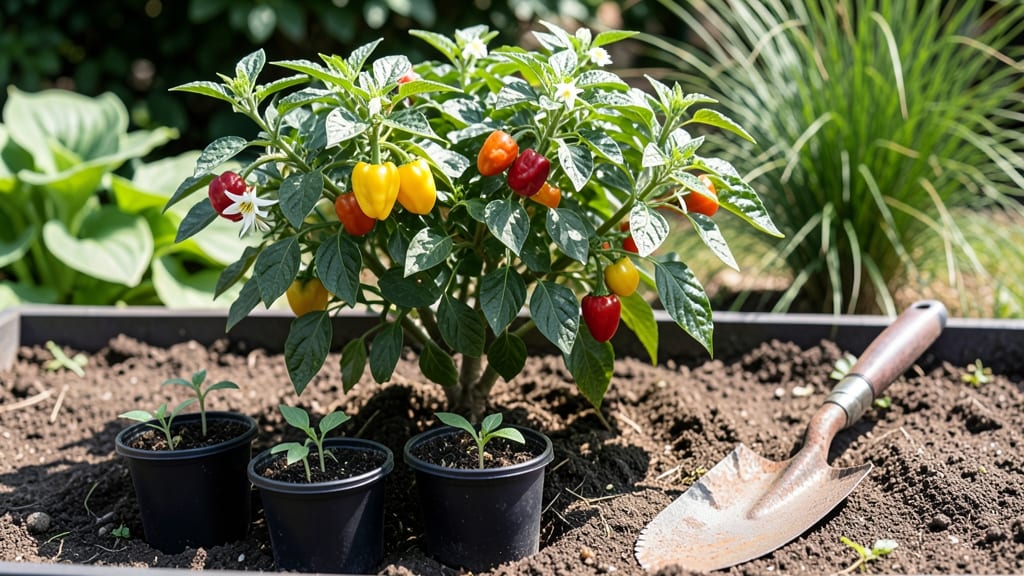
Planting Scotch bonnet peppers starts with 60 days of tropical heat—and I’ve learned the hard way that patience and warmth are non-negotiable. 🌱 These fiery little peppers need consistent 75°F+ soil to germinate, so if your spring is still chilly, start them indoors under grow lights.
The key is mimicking their Caribbean homeland: rich, well-draining soil, full sun, and just enough water to keep roots happy without drowning them. Most beginners overwater, thinking peppers need constant moisture—wrong.
Let the top inch dry between waterings, and use a 50/50 mix of potting soil and compost to keep them thriving. I’ve seen seedlings rot within days when planted too deep or in soggy soil, so keep it light and airy.
Once outdoors, space them 18 inches apart in warm climates or 24 inches if summers are scorching. By day 60, you’ll be harvesting bright red, orange, or yellow peppers packed with heat—and zero store-bought spice blends will compare. The first fruits are small but mighty, and the flavor?
Pure tropical sunshine in every bite. If your season’s short, opt for container growing to extend the harvest. Here’s the secret weapon: mulch heavily to lock in heat and moisture. Scotch bonnets reward precision with explosive flavor, so don’t rush the process.
Trust me, the wait is worth every fiery reward.
Root Causes Of Failure
Scotch bonnet peppers are fiery, flavorful, and finicky—if your plants aren’t thriving, the issue likely stems from one (or more) of these core problems. Understanding why your peppers struggle is half the battle.
Below, we break down the science behind common setbacks, from soil woes to temperature tantrums, so you can fix them fast.
Scotch bonnets need consistent warmth—they’re tropical divas that wilt when temperatures dip below 70°F (21°C) or spike above 90°F (32°C) for extended periods. Here’s why this happens:
- Cold snaps: Below 50°F (10°C), growth halts, and roots suffer chilling injury, leading to yellowing leaves and stunted plants. The plant’s enzymes slow down, disrupting nutrient uptake.
- Heat shock: While they love warmth, consistent highs above 95°F (35°C) cause pollination failure—flowers drop, and fruits abort. The plant’s metabolic processes overheat, mimicking drought stress.
- Nighttime drops: A 10°F (5°C) swing between day and night confuses the plant, triggering abscission (premature leaf/fruit drop). Scotch bonnets thrive on stable 80–85°F (27–29°C) days and 70–75°F (21–24°C) nights.
Actionable fix: Use row covers for early/late seasons, shade cloth (30–50%) in peak heat, and mulch to regulate soil temps. If growing in pots, move them to a greenhouse or under eaves during extreme weather.
Scotch bonnets are drought-tolerant but hate soggy roots. Water issues trigger blossom end rot, cracking fruits, or sudden wilting. Here’s the science:
| Problem | Why It Happens | Signs |
|---|---|---|
| Underwatering | Peppers store water in their thick stems, but consistent dryness (<1 inch soil moisture) stresses the plant. Roots shrink, and ethylene gas (a stress hormone) builds up, causing flower drop. | Crispy leaf edges, curling, fruits shrivel, yellowing between veins. |
| Overwatering | Poor drainage or waterlogged soil cuts off oxygen to roots, leading to anaerobic respiration. Roots rot, and the plant can’t absorb calcium, causing blossom end rot (black, sunken spots on fruits). | Mushy stems, yellowing leaves, foul-smelling soil, white mold on soil surface. |
| Inconsistent Watering | Fluctuating moisture levels confuse the plant’s xylem vessels (water transport system), leading to cellular dehydration and oxidative stress. Fruits may crack as they expand unevenly. | Stunted growth, uneven fruit shape, blossoms falling off. |
Actionable fix:
- Water deeply 1–2 times per week (adjust for clay/sandy soil). Use a moisture meter or the finger test (1–2 inches down should feel damp).
- Add 1–2 inches of mulch (straw or wood chips) to retain moisture and prevent soil crusting.
- Use drip irrigation or soaker hoses to deliver water directly to roots, avoiding leaf wetness (which invites disease).
Scotch bonnets are heavy feeders but hate rich, nitrogen-heavy soil. Poor soil triggers deficiencies, pests, or weak plants. Here’s the breakdown:
- Too much nitrogen: Lush green leaves but no flowers/fruit. Excess nitrogen promotes vegetative growth at the expense of reproductive stages. The plant prioritizes leaf production over energy for peppers.
- Calcium/magnesium deficiency: Leads to blossom end rot (calcium) or interveinal chlorosis (yellowing between veins, magnesium). These nutrients are mobile in the plant, so symptoms appear in new leaves.
- Compacted or poor-draining soil: Restricts root growth, leading to anaerobic conditions and fungal infections (like Phytophthora). Roots suffocate, and the plant can’t uptake water/nutrients efficiently.
- pH extremes: Scotch bonnets prefer 6.0–7.0 pH. Below 5.5, micronutrients (iron, zinc) become locked, causing yellowing. Above 7.5, phosphorus and manganese become unavailable.
Actionable fix:
- Test your soil with a home kit or send a sample to a lab. Amend with:
- Compost or aged manure (for organic matter).
- Crushed eggshells or lime (for calcium, if pH is <6.0).
- Epsom salt (magnesium sulfate) (1 tbsp per gallon of water, foliar spray).
- Use a balanced fertilizer (10-10-10 or 5-10-10) at planting, then switch to a low-nitrogen, high-phosphorus (5-10-10) feed when flowers appear.
- For container growers: Use a well-draining potting mix (60% potting soil, 30% compost, 10% perlite).
Scotch bonnets are magnets for pests because their thick, juicy leaves and peppers are a buffet. But diseases often sneak in through wounds or stress. Here’s the science behind the chaos:
- Thrips & Spider Mites: These sap-sucking insects inject toxins that cause silvering or stippling on leaves. They thrive in dry, hot conditions and weaken the plant, making it susceptible to sunburn.
- Aphids: Cluster on new
Quick Fixes for Scotch Bonnet Growing Woes
Got frustrated with your Scotch bonnet peppers? Don’t toss the plants just yet! Whether your peppers are wilting, pests are attacking, or growth seems sluggish, these practical, step-by-step solutions will get your garden back on track.
Below, we’ve mapped common problems to easy fixes—plus prevention tips to keep your fiery harvest thriving.
---
Why it happens: Poor soil, lack of sunlight, or overcrowding can stunt your peppers before they even reach fruiting stage.
How to turn it around: - 🔥 Boost nutrients: Scotch bonnets are hungry! Mix compost or balanced fertilizer (10-10-10) into the soil at planting, then side-dress with nitrogen-rich fertilizer (like fish emulsion) every 4-6 weeks. - ☀️ Maximize sunlight: Ensure 6+ hours of direct sun daily. If shade is unavoidable, use a reflective surface (like white mulch or a mirror) to bounce light onto plants. - 🌿 Prune for airflow: Trim lower leaves to reduce humidity near the soil (prevents fungal diseases) and thin plants if they’re packed too closely (18–24 inches apart).
💡 Prevention tip: Start with well-draining, tropical-style soil (60% potting mix + 40% perlite/coco coir) and plant in warm soil (70°F+).
---
Why it happens: Extreme temps, inconsistent watering, or too much nitrogen (which fuels leaves over fruit) can cause flowers to fall off.
How to turn it around: - 🌡️ Stabilize temperatures: Scotch bonnets thrive in 75–85°F. Use shade cloth if temps hit 90°F+, or row covers for nights below 55°F. - 💧 Water wisely: Keep soil consistently moist (not soggy). Drip irrigation or soaker hoses prevent stress from uneven watering. - 🍄 Balance fertilizers: Switch to a low-nitrogen, high-phosphorus fertilizer (like 5-10-10) when flowers appear to encourage fruiting.
🔥 Pro tip: Hand-pollinate stubborn flowers by gently shaking plants on a sunny morning or use a paintbrush to transfer pollen between blooms.
---
Why it happens: These pests love tender pepper leaves and fruit, especially in hot, humid climates.
How to treat it: | Pest | Quick Fix | Prevention | |-------------------|----------------------------------------|----------------------------------------| | Aphids | Spray with soapy water (1 tbsp dish soap + 1 quart water) or neem oil. | Introduce ladybugs or lacewings. | | Spider Mites | Blast off with water spray, then apply horticultural oil. | Mulch with straw to retain moisture (mites hate humidity). | | Fruitworms | Handpick eggs (white specks on fruit) or use BT (Bacillus thuringiensis) spray. | Row covers early in season. |
✨ Organic boost: Plant basil, marigolds, or garlic nearby to repel pests naturally.
---
Why it happens: Scotch bonnets hate wet feet. Poor drainage or overzealous watering leads to mushy stems and yellow leaves.
How to fix it: - 🚰 Drainage first: If planted in containers, add perlite or vermiculite to pots. For in-ground, raise beds slightly. - 👨🍳 Adjust watering: Water deeply 2–3x/week (less often in humidity) and always water at the base (avoid wetting leaves). - 🌿 Trim damaged foliage: Snip off yellow/brown leaves with sterilized scissors to prevent spread.
🎯 Prevention tip: Use a moisture meter or the finger test—stick your finger 1 inch into soil; if dry, water.
--- Why it happens: Extreme heat (above 90°F) or calcium deficiency causes blossom end rot (black, leathery spots) or sunscald (white patches).
How to treat it: - 🌿 Mulch heavily: Use straw or grass clippings to keep roots cool and retain moisture. - 💧 Water deeply in heatwaves: Morning watering reduces evaporation; avoid wetting leaves at noon. - 🥛 Calcium boost: Add crushed eggshells or calcium nitrate to soil to prevent rot.
🔥 Quick recovery: For sunscald, prune affected leaves and provide afternoon shade with a lightweight shade cloth (30%).
--- Why it happens: Poor airflow, excess moisture, or crowded plants invite fungi.
How to stop it: - 🌬️ Improve airflow: Space plants 24+ inches apart and prune suckers (side shoots). - 🍄 Fungal sprays: Mix 1 tbsp baking soda + 1 tsp oil + 1 tsp soap in 1 gallon water; spray weekly. - 🌞 Sunlight cure: Remove infected leaves and water at the base only.
💡 Prevention tip: Rotate crops—don’t plant peppers in the same spot yearly.
--- Why it happens: Cold soil, overwatering, or weak seeds kill young plants before they sprout.
How to revive: - 🔥 Warmth hack: Start seeds in heated seedling trays (80–85°F) or place pots on a seedling heat mat. - 💧 Lighten up: Use a spray bottle for gentle watering—no soggy trays! Bottom-water instead. - ☀️ Gradual hardening: After 2 weeks, move seedlings outdoors for 1–2 hours daily, increasing time weekly.
✨ Pro tip: Pre-soak seeds in warm water for 24 hours before planting to speed up germination.
Frequently asked questions
How soon can I plant Scotch bonnet seeds outdoors after the last frost?
Wait until soil temperatures reach at least 70°F (21°C)—these tropical peppers won't germinate in cold soil. In most climates, that's 2-3 weeks after your last frost date. Use a soil thermometer to check, or plant in containers for extra warmth control.
Can I grow Scotch bonnet peppers in containers?
They thrive in 5-gallon pots or larger with well-draining soil. Use a mix of 60% potting soil, 30% compost, and 10% perlite. Place containers in full sun and water when the top 1-2 inches of soil dry out. Just ensure pots have drainage holes to prevent root rot.
Why are my Scotch bonnet seedlings dying after transplanting?
Transplant shock is common—these peppers hate root disturbance. Harden off seedlings for 1-2 weeks before moving them, and plant at the same depth they grew in pots. Water deeply before transplanting, then mulch heavily to retain moisture. Avoid planting in soggy soil!
How do I know when Scotch bonnet peppers are ready to harvest?
Harvest when peppers reach their mature color (red, orange, or yellow) and are firm to the touch. They typically take 60-90 days from transplanting. For maximum heat, pick when fully colored but still slightly firm. Use pruning shears to avoid damaging the plant.
What's the best way to save Scotch bonnet seeds for next year?
Let peppers fully ripen on the plant, then scoop out seeds, rinse them, and dry on a paper towel for 3-5 days. Store in a cool, dark place in a sealed container. Seeds remain viable for 2-3 years. For extra heat, select seeds from the hottest peppers!