Size
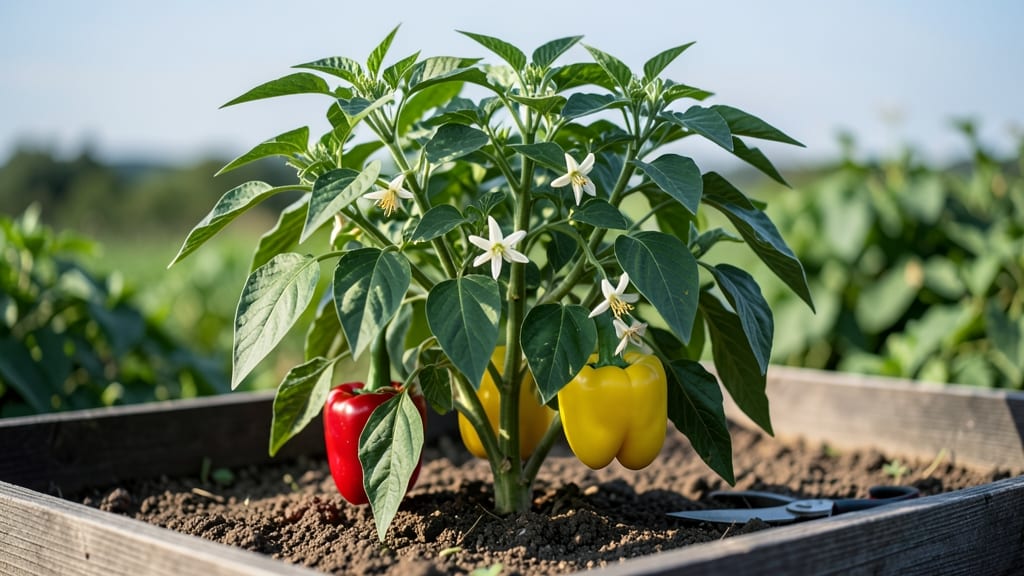
Pepper plants grow anywhere from 1 foot to over 4 feet tall, depending on the variety and growing conditions 🌶️—and that difference can change how you plan your garden layout.
If you’ve ever wondered whether your pepper plants will stretch toward the sky like a jungle giant or stay compact like a bushy shrub, the answer depends entirely on the variety—and knowing this can save you space (and headaches) in your garden.
Dwarf varieties like Snack Pepper or Thai Hot top out at just 12-18 inches, making them perfect for containers or small raised beds. Meanwhile, towering types like Cayenne or Habanero can reach 3-4 feet, requiring staking or trellises to keep them upright.
Below, I’ll break down the height ranges by variety, how to control overgrowth, and why some peppers grow taller than others—so you can pick the perfect fit for your space and growing style.


Pepper plant height by variety: from dwarf to towering giants
Choosing the right pepper plant for your garden isn't just about flavor—it’s about space! Some varieties stay as short as 12 inches, perfect for windowsills, while others can soar to 5 feet or taller, needing trellises or sturdy cages.
Understanding these height differences helps you plan spacing, support, and even container sizes to maximize your harvest without crowding.
The height of pepper plants depends on their growth habit: bush types stay compact, while vining varieties climb and sprawl. Bush peppers, like jalapeños or bell peppers, typically reach 2-3 feet, making them ideal for small gardens.
Meanwhile, tall climbers such as Cayenne or Habanero varieties can stretch toward the sky, demanding vertical support to prevent flopping and disease.
Here’s how pepper plant height impacts your garden layout: Dwarf varieties thrive in 5-gallon containers, while tall vining types need 6+ feet of vertical space or a trellis system. Proper spacing also reduces competition for nutrients and light, ensuring healthier plants and bigger yields.
Let’s break down the most popular varieties by their mature heights and growth habits so you can pick the perfect fit for your space.
If you’re growing peppers in containers, stick to dwarf or bush varieties like Snack Chili or Mini Bell, which thrive in 5-gallon pots with minimal support. These compact plants are perfect for balconies or patios where space is limited.
Just ensure your container has drainage holes and use a well-draining potting mix to prevent root rot.
For tall pepper varieties, invest in a trellis or sturdy cage to guide their growth upward.
This not only saves garden space but also improves air circulation, reducing the risk of fungal diseases like powdery mildew. Vining types like Cayenne or Habanero benefit from vertical support, as their weight can cause branches to break under the weight of peppers.
Another key factor is pruning for height control. Regularly pinch back the top growth of bush varieties to encourage bushier, more productive plants. For tall climbers, prune side shoots to direct energy toward fewer, larger peppers.
This technique works wonders for maximizing yield in small spaces while keeping plants manageable.
When planning your pepper garden layout, consider the mature height and growth habit of each variety. Mixing dwarf and tall
How to control pepper plant height for small gardens or containers
Tall pepper plants can quickly outgrow small garden beds or containers, but with the right techniques, you can train them to stay compact while still producing a bountiful harvest. The key lies in pruning, staking, and strategic training—methods that redirect energy from vertical growth to fruit production.
Even tall varieties like jalapeños or habaneros can be managed to fit into limited spaces with minimal effort.
For container gardening, dwarf varieties are ideal, but even standard-height plants can be controlled using cage supports or trellises. The goal is to maximize your harvest area without sacrificing plant health.
Below, I’ll walk you through step-by-step methods to keep your pepper plants at your desired height—whether that’s a compact 18-inch bush or a controlled 3-foot climber.
Use cage supports for bush varieties (18–24 inches tall) or trellises for taller types. For containers, opt for 5-gallon fabric pots with built-in stakes to save space.
Pinch off top buds when plants reach 12–18 inches to encourage bushier growth. Remove suckers (side shoots) to redirect energy to fruit production.
Gently tie vines to supports using soft plant ties or old fabric strips. For containers, use mini trellises to guide growth vertically.
Use a low-nitrogen fertilizer (e.g., 5-10-10) to promote fruiting over leafy growth. Avoid over-fertilizing, which can cause excessive vine growth.
Pick peppers frequently to encourage new growth. Removing mature peppers reduces the plant’s energy drain on maintaining height.
One of the biggest mistakes gardeners make is ignoring pruning until the plant is already too tall. Start training your pepper plants early—within the first 4–6 weeks—to prevent unruly growth.
For container gardening, choose determinate varieties like 'Snackable' or 'Patio' peppers, which naturally stay under 18 inches tall.
If your pepper plants still outgrow their space, don’t panic. Topping (cutting the main stem) can reset growth, forcing the plant to produce lateral branches instead. Just be sure to do this after flowering to avoid reducing your yield.
With these techniques, even tall-growing varieties can thrive in small spaces—giving you more room for other plants in your garden! 🌱