
Pests
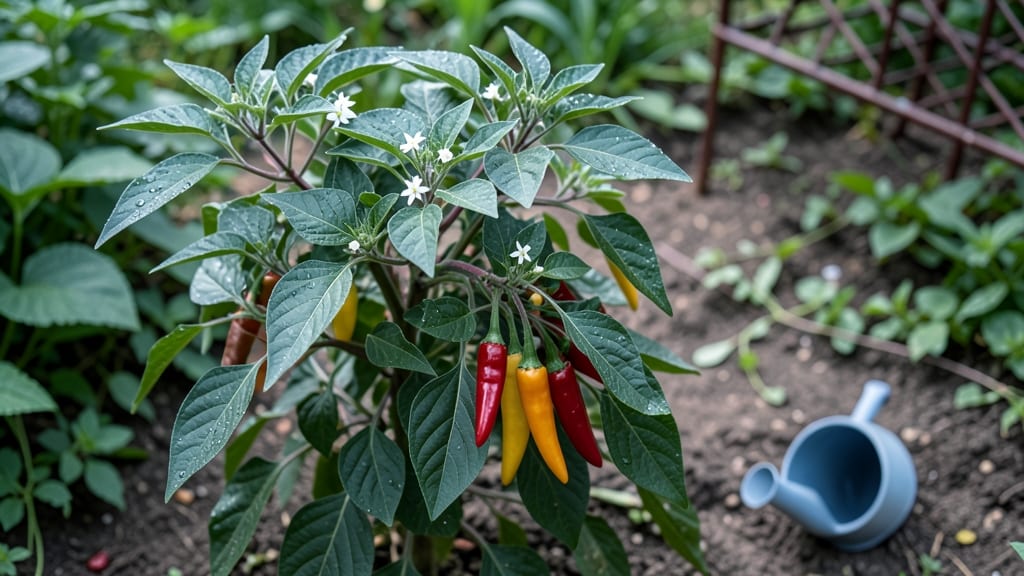
Cayenne pepper does deter groundhogs effectively when used properly, thanks to its active compound capsaicin, which irritates their sensitive nasal passages and taste buds. This makes it a reliable natural solution for protecting gardens and lawns, though you'll need to reapply after rain or watering.
Groundhogs are particularly sensitive to spicy compounds like capsaicin, which they naturally avoid in their diet. 🔥 The compound triggers a burning sensation in their mouths and noses, creating an unpleasant experience that drives them away from treated areas.
Unlike chemical repellents, cayenne pepper offers an eco-friendly alternative that's safe for most plants when used correctly. For best results, combine it with water and apply around garden perimeters or problem spots, being mindful of pets and children who might come into contact with the treated areas.
What makes this method particularly effective is that groundhogs have a strong sense of smell and taste, making them highly responsive to even small amounts of capsaicin. You'll want to create a barrier rather than spot-treating, as these animals are persistent foragers.
The key is consistency—reapplying every few weeks or after heavy rain ensures the deterrent remains effective throughout the growing season.
💡 In This Article
- How Capsaicin Affects Groundhog Behavior and Senses
- Best Ways to Apply Cayenne Pepper for Groundhog Repellent
How capsaicin affects groundhog behavior and senses
Groundhogs (also called woodchucks) have an incredibly sensitive olfactory system—up to 10,000 times more powerful than humans. When they encounter capsaicin, the active compound in cayenne pepper, it binds to their TRPV1 receptors in nasal passages and taste buds, triggering an immediate burning sensation.
This isn't just discomfort; it's a physiological response that forces them to avoid the area, similar to how humans recoil from strong spicy foods. 🔥 Unlike chemical repellents that rely on harsh smells, capsaicin works by creating a direct sensory aversion.
The key difference between capsaicin and other repellents is its selective toxicity. While predator urine mimics natural threats, capsaicin targets groundhogs' specific sensitivity to spicy compounds—something they've never encountered in their natural diet.
Studies show that even diluted solutions (as low as 0.05% capsaicin concentration) can deter these rodents for weeks. This makes cayenne more effective than strong-smelling alternatives like garlic or rotten eggs, which groundhogs often ignore after initial exposure.
Groundhogs also have a unique gustatory memory—they remember unpleasant tastes and smells for extended periods. When you apply cayenne pepper around garden edges or burrow entrances, the lingering capsaicin creates a mental association that keeps them away.
Unlike chemical deterrents that lose effectiveness over time, this natural repellent maintains its potency as long as it remains undiluted by rain or watering. The sensory impact is so strong that groundhogs will often bypass treated areas entirely, even when food is nearby.
What's fascinating is how capsaicin affects their foraging behavior. Groundhogs are opportunistic eaters, but they'll avoid areas where they've experienced discomfort. This behavioral change is why cayenne works better than physical barriers alone—it creates a psychological deterrent that's harder to overcome.
The compound doesn't just repel; it conditions them to associate your garden with unpleasant sensations, making it a long-term solution when applied correctly. 💫
For comparison, consider how cayenne stacks up against other repellents: predator urine (short-term effectiveness), castor oil (messy and temporary), or commercial chemicals (potential environmental harm). Capsaicin offers a middle ground—natural, targeted, and persistent when properly maintained.
The science shows that groundhogs don't develop tolerance to capsaicin like they might with some chemical repellents, making it a reliable choice for gardeners dealing with persistent groundhog activity.
One important detail is how capsaicin's heat level (measured in Scoville units) affects groundhogs. While cayenne typically registers around 30,000-50,000 SHU, groundhogs react to even milder concentrations because their sensory receptors are more sensitive than ours.
This means you don't need extremely hot peppers—standard cayenne powder is perfectly effective when applied correctly. The key is consistency in application rather than intensity.