
Picking
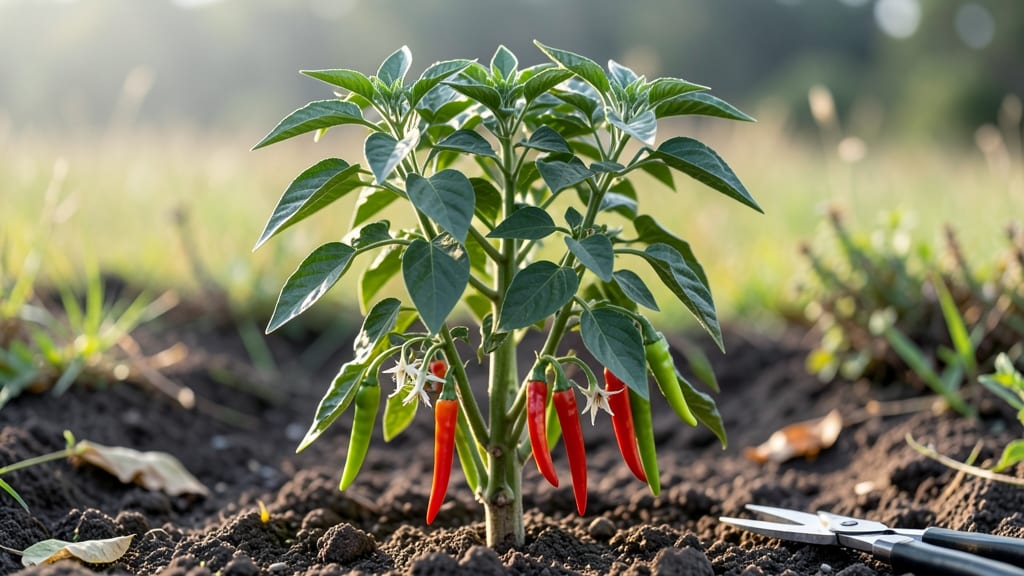
Mastering cayenne pepper gardening guarantees fiery harvests—100,000 Scoville units per pepper, if you do it right. 🌶️ I learned the hard way that these plants demand heat, both in the soil and in the sun. or they’ll bolt before producing a single chili.
The payoff? A pantry stocked with peppers so hot they’ll make your kitchen the talk of the neighborhood.
Start with well-draining soil (they hate soggy roots) and a spot that gets 6-8 hours of direct sun daily. Cayennes need warmth to germinate—soak seeds in warm water for 24 hours first, then plant them ½ inch deep in pots or directly in the ground after the last frost.
Too much nitrogen in the soil? You’ll get leafy plants with zero peppers. Use a low-nitrogen fertilizer instead.
By mid-summer, you’ll see those signature long, slender peppers forming, and with proper care, each plant can yield 20-30 peppers. The secret to extra heat? Prune aggressively to focus energy on fruit, not foliage, and harvest early to encourage more production.
(Yes, I’ve burned my fingers counting how many I’ve picked in a single harvest.)
Common mistakes? Overwatering (they need 1 inch per week, less in humidity) and ignoring pests like aphids. A neem oil spray keeps them at bay, and a mulch layer retains moisture without drowning the roots.
Master these, and you’ll have cayennes so prolific, you’ll be gifting jars of hot sauce to friends by October.
📚 In This Guide
- What you need
- Instructions
- Tips and common mistakes
- Wrapping up and next steps
What you need
- ● Cayenne pepper seeds: 10–20 seeds (or 3–5 plants if buying starts). Choose heat-loving varieties like Cayenne Long Slim or Mad Dog.
- ● Containers or garden bed: For containers: 5–10 gallon pots (1 per plant) with drainage holes.
- ● For in-ground: Full-sun spot (6+ hours/day) with well-draining soil.
- ● Potting mix: 1–2 bags of high-quality, well-draining soil (e.g., 50% potting mix + 50% perlite or compost).
- ● Fertilizer: Balanced organic fertilizer (10-10-10 or 5-5-5) or compost.
- ● Watering can or hose: With a gentle spray nozzle for hydration.
- ● Gloves: Heavy-duty gardening gloves (cayennes pack a punch!).
- ● Trowel or pruners: For planting and trimming.
- ○ Stakes or cages: Optional, for support as plants grow.
- ● Mulch: Straw or shredded leaves to retain moisture.
- ○ pH test kit (optional): Cayennes thrive in slightly acidic soil (pH 6.0–6.8).
- ● Warmth: Cayennes need consistent temperatures above 70°F (21°C). Start indoors 8–10 weeks before last frost or wait until soil is warm.
- ● Sunlight: Full sun (6+ hours/day) is non-negotiable!
- ● Patience: Harvest time is 60–90 days after transplanting.
Step-by-step guide to growing cayenne peppers
Here's how to cultivate fiery cayenne plants that thrive with minimal fuss.
🌱 Step 1: Start Seeds Indoors 8-10 Weeks Before Last Frost
Fill small seedling trays with a sterile seed-starting mix and plant 2-3 seeds per cell at a depth of ¼ inch. Cayenne seeds germinate best in warm conditions—place the tray on a seedling heat mat set to 75-85°F. Keep the soil consistently moist but never soggy, as excess water can cause damping-off.
Once the seeds sprout, which typically takes 7-14 days, remove the weakest seedling in each cell to leave one strong plant. Watch for the first set of true leaves (not the initial cotyledons) to appear—this signals the seedlings are ready to transition to brighter light.
☀️ Step 2: Provide Warmth and Full Sun for Strong Seedlings
Move seedlings to a sunny windowsill or under grow lights as soon as they emerge. Cayennes need 12-14 hours of light daily to prevent leggy growth. If using a grow light, position it 2-3 inches above the plants and raise it gradually as they grow to avoid burning tender leaves.
Keep the soil warm by placing the trays on a heat mat or near a sunny window. You'll notice healthy seedlings developing thick stems and deep green leaves. If the stems stretch too tall or turn pale, they're reaching for more light—adjust the setup immediately.
🪴 Step 3: Transplant Seedlings After All Frost Risk Has Passed
Once the soil temperature reaches 65°F or warmer and nighttime temperatures stay above 55°F, it's safe to transplant cayennes outdoors. Choose a location with full sun exposure (6+ hours daily) and well-draining soil. Amend the soil with compost to enrich it before planting.
Dig holes 12-18 inches apart to give the plants room to spread. Bury the seedlings slightly deeper than they were in the trays—this encourages stronger root growth. Water thoroughly after planting to settle the soil and reduce transplant shock.
💧 Step 4: Water Deeply and Fertilize Regularly for Maximum Heat
Water cayenne plants at the base 1-2 inches deep every 2-3 days, allowing the soil to dry slightly between waterings. Avoid wetting the leaves to prevent fungal diseases like powdery mildew. Mulch around the base with 2-3 inches of organic mulch to retain moisture and regulate soil temperature.
Feed the plants every 2-3 weeks with a balanced fertilizer (10-10-10) or a pepper-specific formula. You'll see new growth and flower buds forming within a few weeks of consistent care. If the soil feels dry to the touch more than 2-3 days after watering, increase the frequency slightly.
✂️ Step 5: Prune and Harvest for Bold, Spicy Peppers
Remove any suckers (side shoots) that form in the junction between the main stem and branches to direct energy toward fruit production. Pinch off the first few flowers if you want larger peppers, but leave the rest to develop. Harvest peppers when they reach 3-4 inches long for maximum heat and flavor.
Use pruning shears to cut peppers at the stem rather than twisting them off. This prevents damage to the plant and encourages more fruit to grow. Store harvested cayennes in a cool, dry place or use them fresh in recipes. You'll notice the plants producing new flowers and peppers within a few weeks of harvesting.
Tips & tricks for growing fiery cayenne peppers
Here's what I've learned from years of growing cayenne peppers that pack serious heat.
Seed Starting Strategy: Don't rush the germination process—those 7-14 days can feel like forever, but patience pays off. I've found that gently pressing the seeds into the soil (rather than covering them completely) helps them make better contact with moisture. Also, keep a small spray bottle handy to mist the soil lightly—this maintains consistent moisture without oversaturating, which is crucial for preventing damping-off.
Light Management: The 12-14 hours of light requirement is non-negotiable for cayennes. If your natural light isn't sufficient, invest in a quality LED grow light. I position mine 2-3 inches above the seedlings and adjust the height weekly to prevent leaf burn. Watch for stems that stretch toward the light—this is your cue to either move the plants closer to the light source or extend their light exposure time.
Transplanting Technique: When transplanting outdoors, I always wait until soil temperatures hit 65°F—cold soil shocks roots and delays growth. Bury the seedlings deeper than they were in the trays (up to the first set of true leaves) to encourage stronger root systems. This deeper planting also helps stabilize the plants against wind, which is especially important for cayennes that can get top-heavy with fruit.
Watering Wisdom: The 1-2 inches deep watering guideline is perfect, but timing is everything. I water in the morning so the soil has all day to dry out, which prevents fungal issues. For the 2-3 days between waterings, I check soil moisture by sticking my finger about an inch deep—if it feels dry, it's time to water. Mulching with 2-3 inches of organic material keeps moisture consistent and regulates soil temperature, which is particularly helpful in hot climates.
Pro Tips for Cayenne Pepper Gardening
- Here's what I've learned from years of growing cayenne peppers that pack serious heat.
- Seed Starting Strategy: Don't rush the germination process—those 7-14 days can feel like forever, but patience pays off.
- Light Management: The 12-14 hours of light requirement is non-negotiable for cayennes.
Frequently asked questions
Got questions about growing cayenne peppers?
Here are answers to the most common ones—from spicy newbies to seasoned gardeners!
When is the best time to plant cayenne peppers?
Cayenne peppers thrive in warm soil, so wait until after the last frost when nighttime temps stay above 55°F (13°C). Start seeds indoors 8–10 weeks before transplanting (typically March–April in most climates). If you’re in a short-season zone, opt for faster-maturing varieties like ‘TAM Mild’ or ‘Louisiana Long.’
How much heat do cayenne peppers need to grow?
Cayenne peppers love heat—ideal daytime temps are 70–90°F (21–32°C). Below 50°F (10°C), growth slows or stops. Use black plastic mulch or row covers to warm soil early in the season. If nights dip below 60°F (15°C), consider a cloche or greenhouse for tender plants.
What can I do if my cayenne peppers turn bitter or lose heat?
Bitter or mild cayennes often result from overwatering, low sunlight, or excess nitrogen. Cut back on watering (let soil dry slightly between waterings) and switch to a balanced fertilizer (10-10-10). Ensure 6+ hours of direct sun daily—shady spots weaken heat production. Stress (like extreme temps) can also dull spice, so keep plants consistently happy!
Can I grow cayenne peppers in containers?
Choose a 5-gallon pot or larger with drainage holes and use a well-draining potting mix. Place containers in full sun and water when the top inch of soil feels dry. Dwarf varieties like ‘Pepper X’ or ‘Jalapeño M’ (often used for cayenne crosses) work well in containers. Just ensure pots get enough heat—containers cool faster than in-ground beds.
What’s the difference between cayenne and other hot peppers?
Cayenne peppers pack 30,000–50,000 Scoville Heat Units (SHU), making them hotter than jalapeños (2,500–8,000 SHU) but milder than habaneros (100,000–350,000 SHU). Their long, thin shape and deep red/orange color set them apart. Unlike bell peppers, cayennes stay spicy when ripe—unripe ones are even hotter! For a milder kick, try ‘Cayenne Orange’ (slightly sweeter).
Wrapping up and next steps
Growing cayenne peppers is a rewarding journey that brings fiery flavor and vibrant harvests to your garden! Whether you're a seasoned gardener or just starting out, these heat-loving varieties thrive with the right care—sunshine, well-draining soil, and a little patience. Your bold harvest is just around the corner!
Ready to take the next step? Start small—plant a few seeds or seedlings this season and experiment with different varieties. Track your progress, share your successes, and don’t forget to preserve your harvest by drying, pickling, or cooking with your homegrown cayenne. Happy gardening! 🌱🔥