
Vegetables
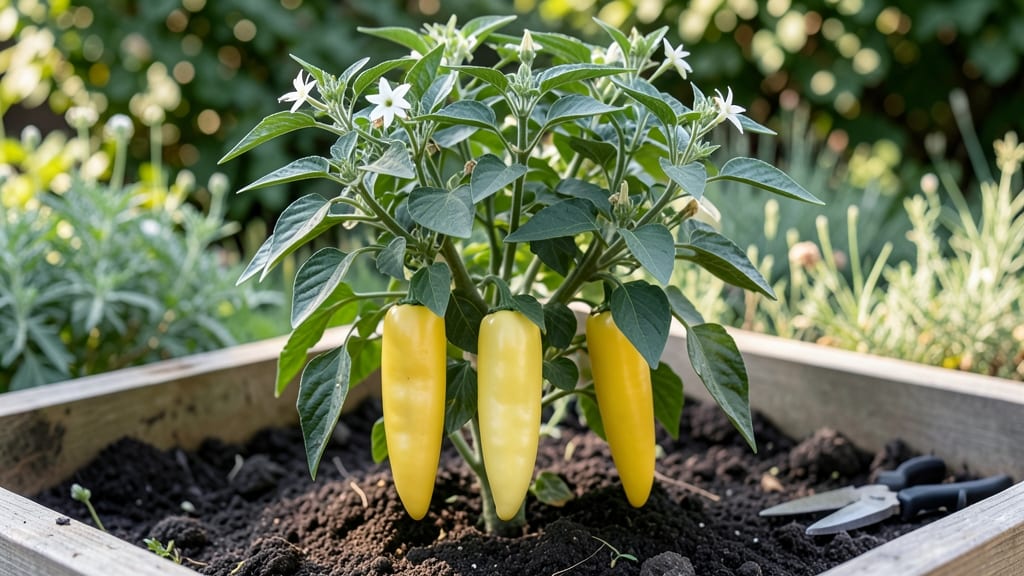
Growing yellow fatalii peppers delivers shockingly bold heat in just 60 days—think bright yellow pods packed with 50,000-100,000 Scoville units. 🌶️ I learned the hard way that these beauties demand precise care, but once you nail the balance of heat, light, and patience, you’ll harvest enough to impress (or scare) your neighbors.
The key starts with soil that’s slightly acidic and rich in organic matter—too alkaline, and the plants throw tantrums by dropping buds.
Start seeds indoors 8-10 weeks before last frost, using small pots with drainage holes to avoid the dreaded "damping off" that wipes out seedlings. These peppers crave full sun (6-8 hours daily) and consistent moisture—think of them like thirsty teenagers who sulk when ignored.
Space plants 18-24 inches apart in warm soil (at least 60°F), and feed lightly with a balanced fertilizer (10-10-10) every 3-4 weeks. The first blooms appear in 50-60 days, and those yellow pods? They’re ready to harvest when firm and glossy.
📚 In This Guide
- What you need
- Instructions
- Tips and common mistakes
- Wrapping up and next steps
What you need
- ● Yellow Fatalii Pepper Seeds: 5–10 seeds (or 1–2 plants if buying seedlings). Look for Capsicum annuum varieties labeled for hot peppers.
- ● Containers or Garden Bed: Containers: 5–7 gallon pots (1 per plant) with drainage holes.
- ● Garden Bed: Full sun (6+ hours/day), well-draining soil, and space 18–24 inches apart.
- ● Potting Mix: High-quality, well-draining mix (e.g., 60% peat/coir, 30% perlite, 10% compost). Avoid garden soil—it’s too dense!
- ● Fertilizer: Balanced Fertilizer: 10-10-10 or 5-5-5 (start with seedlings).
- ● Organic Option: Composted manure or worm castings (mix 1 cup per 5 gallons of soil).
- ● Watering Can or Hose: With a gentle spray nozzle (peppers hate soggy roots!).
- ● Pruning Shears: For trimming leggy stems or removing suckers (sterilize with rubbing alcohol!).
- ● Support Stakes or Cages: 3–4 ft tall (peppers can get top-heavy!).
- ● pH Test Kit: Ideal soil pH for peppers is 6.0–6.8.
- ● Row Cover or Shade Cloth: Protect seedlings from pests or harsh sun (30–50% shade for young plants).
- ● Glove: Thick gardening gloves (this pepper packs 30,000–50,000 Scoville units—handle with care!).
- ● Warmth: Start seeds indoors 8–10 weeks before the last frost (or buy seedlings). Peppers hate cold—keep soil temps above 60°F (15°C).
- ● Patience: Germination takes 7–21 days (sometimes longer!).
- ● Sunlight: Confirm your space gets 6+ hours of direct sun daily (or supplement with grow lights).
Step-by-step instructions for cultivating yellow Fatalii peppers
Here's how to grow these fiery beauties from seed to harvest with minimal fuss.
🌱 Step 1: Start Seeds Indoors 8-10 Weeks Before Last Frost
Fill 2-3 inch deep seed trays with sterile seed-starting mix and moisten until evenly damp. Plant 2-3 seeds per cell at a depth of ¼ inch, pressing gently but not compacting. I like to use a toothpick to make small holes—it gives me better control than just dropping seeds on top.
Cover the tray with a humidity dome or plastic wrap and place in a warm spot (75-85°F). Germination takes 10-20 days, but be patient—Fatalii seeds can be stubborn. Once sprouts appear, remove the cover immediately to prevent damping-off. You'll see tiny green cotyledons first, then the first true leaves within 7-10 days after germination.
☀️ Step 2: Provide Optimal Light and Heat for Seedlings
Move seedlings under grow lights (14-16 hours daily) immediately after germination. Fatalii peppers need strong light to prevent leggy growth. Position lights 2-3 inches above plants and raise them gradually as seedlings grow. You'll know your light setup is right when seedlings have thick stems and leaves spaced 1 inch apart.
Keep soil consistently moist but never soggy. Water from the bottom by placing trays in ½ inch of water for 10 minutes, then drain. This method prevents fungal diseases that often plague pepper seedlings. Fertilize lightly with a half-strength balanced fertilizer when first true leaves appear.
🪴 Step 3: Transplant Seedlings After Last Frost
Choose a location with full sun (6+ hours daily) and well-draining soil. Fatalii peppers thrive in 65-85°F temperatures and hate cold soil. Amend garden beds with compost to improve drainage—these peppers rot quickly in soggy conditions. Transplant when seedlings are 4-6 inches tall with 4-6 leaves.
Dig holes slightly larger than the root ball and space plants 18-24 inches apart. Bury stems deeper than they grew in pots—this encourages stronger root growth. Water deeply after transplanting to settle soil around roots. Mulch with 2-3 inches of straw to retain moisture and regulate soil temperature.
💧 Step 4: Maintain Consistent Moisture and Fertility
Water at the base of plants when the top 1-2 inches of soil feel dry. Avoid wetting leaves to prevent disease. I use drip irrigation on a timer set for 10-15 minutes every other day during hot weather. Fatalii peppers need steady moisture but hate soggy roots—yellowing leaves usually mean overwatering.
Fertilize every 3-4 weeks with a balanced organic fertilizer (10-10-10). When flowers appear, switch to a low-nitrogen, high-phosphorus formula (5-10-10) to encourage fruiting. You'll notice buds forming 6-8 weeks after transplanting, followed by small green peppers in 4-6 weeks.
✂️ Step 5: Harvest and Prune for Maximum Yield
Harvest peppers when they reach 3-4 inches long and turn bright yellow. Use pruning shears to cut stems just above the fruit—this prevents damage to the plant. Fatalii peppers continue producing for 60-80 days after transplanting, so regular harvesting encourages more flowers and fruit.
Prune suckers (side shoots in leaf axils) to direct energy to fruit production. Remove any diseased or yellowing leaves immediately. As the season progresses, you'll find peppers ripening at different rates—harvest some green for immediate use and leave others on the plant to turn fully yellow for maximum heat.
Tips & tricks for growing vibrant yellow Fatalii peppers
These insider tricks will help you cultivate fiery, flavorful Fatalii peppers that outperform even the most experienced gardeners' yields.
Germination Strategy: Don't be discouraged if your Fatalii seeds take the full 10-20 days to germinate—they're notoriously slow starters. For faster results, soak seeds in warm water for 4-6 hours before planting (this is optional but can shave off 2-3 days of waiting time). Once sprouts appear, remove the humidity dome immediately to prevent damping-off, which is especially critical for these sensitive seedlings.
Lighting Hack: The 14-16 hours of daily light requirement is non-negotiable for preventing leggy seedlings. I recommend using LED grow lights positioned 2-3 inches above the plants initially, then raising them as seedlings grow. If you notice stems stretching toward the light, you're too far away—adjust immediately. A simple trick to check proper lighting: your seedlings should have leaves spaced about 1 inch apart with thick, sturdy stems.
Transplanting Pro Tip: When burying stems deeper than they grew in pots during transplanting, aim for about 1 inch of stem buried. This buried portion will develop new roots, creating a stronger plant. Choose a cloudy day or late afternoon for transplanting to reduce transplant shock—Fatalii peppers are particularly sensitive to temperature fluctuations during this critical stage.
Fertility Timeline: The switch from balanced fertilizer (10-10-10) to high-phosphorus formula (5-10-10) when flowers appear is crucial. I've found that adding a handful of bone meal to each planting hole at transplant time gives an extra phosphorus boost that shows in fruit production. Watch for the first buds to appear 6-8 weeks after transplanting—this is your cue to make the fertilizer switch and expect peppers in 4-6 weeks after that.
Pro Tips for Yellow Fatalii Pepper
- These insider tricks will help you cultivate fiery, flavorful Fatalii peppers that outperform even the most experienc...
- Germination Strategy: Don't be discouraged if your Fatalii seeds take the full 10-20 days to germinate—they're notori...
- Lighting Hack: The 14-16 hours of daily light requirement is non-negotiable for preventing leggy seedlings. I recomme...
Frequently asked questions
Got questions about growing or using yellow Fatalii peppers? We’ve got answers!
Whether you're a first-time gardener or a seasoned spice enthusiast, here’s what you need to know to master this fiery gem.
How long does it take for a yellow Fatalii pepper to mature?
The yellow Fatalii pepper typically matures in 60–70 days from transplanting, depending on climate and growing conditions. Start seeds indoors 8–10 weeks before the last frost, or buy transplants for a quicker harvest. Pro tip: Keep soil temps above 60°F (15°C) for faster growth!
Is yellow Fatalii pepper hotter than other peppers?
Yes! This pepper packs a 30,000–50,000 Scoville Heat Units (SHU), making it one of the hottest yellow varieties. It’s not as intense as habaneros (100,000–350,000 SHU), but it delivers a bold, citrusy kick. Warning: Wear gloves when handling!
Can I grow yellow Fatalii peppers in containers?
Fatalii peppers thrive in 5-gallon containers with well-draining soil and full sun (6+ hours/day). Use a lightweight potting mix and support the plant with a cage or trellis as it grows. Pro tip: Add compost or worm castings for extra heat!
What’s the best way to use yellow Fatalii peppers in cooking?
These peppers shine in hot sauces, salsas, and marinades—their fruity heat pairs well with tomatoes, garlic, and lime. For milder dishes, remove seeds and membranes first. Try this: Blend with olive oil, salt, and a splash of vinegar for a fiery drizzle!
What should I do if my Fatalii peppers turn yellow but stay small?
Small, yellow peppers may indicate underwatering, poor pollination, or nutrient deficiency. Check soil moisture (keep it consistently damp) and hand-pollinate flowers with a soft brush. Boost growth: Add a balanced fertilizer (like 10-10-10) when buds form.
Wrapping up and next steps
The Yellow Fatalii pepper is a fiery yet rewarding addition to any garden, offering bold flavor and rapid growth in just 60 days! With the right care—sunlight, well-draining soil, and patience—you’ll unlock a harvest that brings heat and vibrancy to your meals.
Don’t let its spicy reputation intimidate you; every gardener can master it with these simple steps.
Ready to grow your own heat? Start by gathering your supplies, then plant those seeds and watch your garden transform! 🌱 Next, try planting your first batch and share your progress with fellow pepper enthusiasts!