
Picking
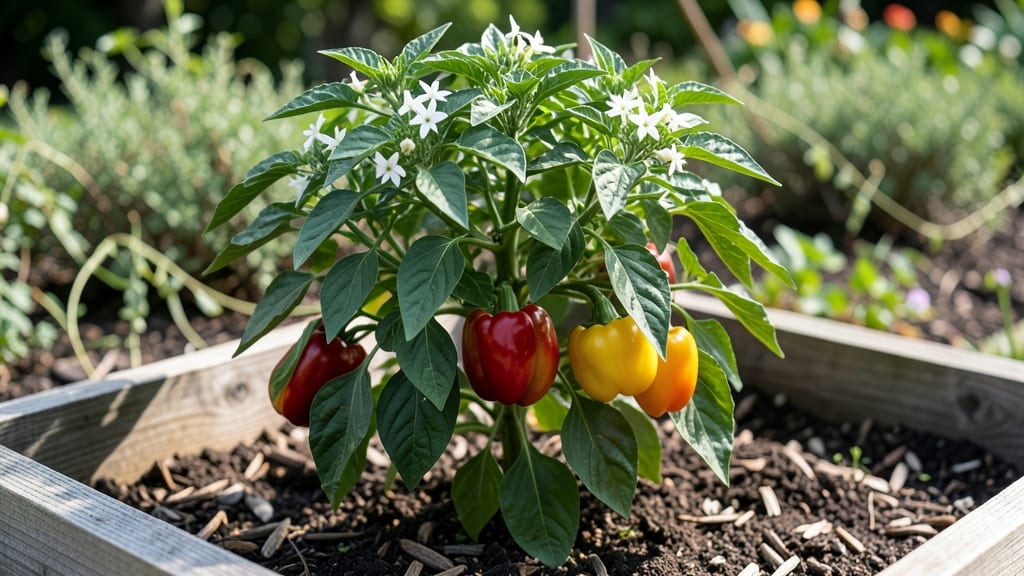
Growing bull nose peppers unlocks a harvest that’s as stunning as it is spicy. 🌶️ I’ve watched these fat, wrinkled beauties transform from tiny seedlings into the showstopper of my heat-zone garden—packed with flavor and ornamental flair.
They’re the kind of pepper that makes neighbors ask, “What are those?” and your kitchen the talk of summer potlucks.
The secret starts with well-draining soil and full sun—these peppers demand both to thrive. Plant seeds ¼ inch deep, 18 inches apart, and expect a harvest in 75-90 days.
They love heat but hate soggy roots, so mulch around the base to keep moisture steady. The wrinkled skins? That’s not a flaw—it’s where their complex, slightly sweet heat hides.
By midsummer, you’ll be snipping clusters of peppers for salsas, pickling, or just admiring their papery texture. They’re versatile enough for cooking but bold enough to dry and grind into a smoky powder. Even if pests like aphids show up, a strong spray of water usually sends them packing.
Whether you’re growing in raised beds or containers, bull nose peppers adapt well—just give them space and warmth. Start seeds indoors now if your zone’s last frost is still weeks away. Trust me, your garden (and taste buds) will thank you.
📚 In This Guide
- What you need
- Instructions
- Tips and common mistakes
- Wrapping up and next steps
What you need
- ● Bull Nose Pepper Seeds or Seedlings: 3–5 seeds (if starting from seed) or 1–2 healthy seedlings (if transplanting).
- ● Pro tip: Choose seeds labeled for short-day varieties (e.g., 'Bull Nose' or 'Carolina Reaper') for optimal heat tolerance. 🌡️
- ● Well-Draining Soil: 5–10 gallons of pepper-specific potting mix (or a blend of 60% garden soil, 30% compost, and 10% perlite/sand).
- ● pH level: Aim for 6.0–6.8 (test with a soil kit if unsure).
- ● Containers or Garden Bed: Containers: 5-gallon pots (minimum) with drainage holes (1–2 per pepper plant).
- ● Garden Bed: Full sun (6–8+ hours daily) and space 18–24 inches apart.
- ● Fertilizer: Balanced 10-10-10 fertilizer (1 tbsp per plant every 4–6 weeks) or organic options like composted manure or worm castings.
- ● Watering Supplies: Watering can or hose with a gentle spray nozzle (peppers hate soggy roots!).
- ● Grow Lights: LED lights (12–16 hours/day) for indoor setups or early starts. 💡
- ● Mulch: Straw or black plastic to retain moisture and regulate soil temp.
- ● Pepper-Specific Support: Small cages or stakes (if varieties grow tall).
- ● Heat Mat: For indoor seedlings (70–80°F range for germination).
- ● Pest Deterrents: Neem oil or row covers (to fend off pests like aphids or hornworms).
Step-by-step guide to growing bull nose peppers
Here's how I grow these fiery peppers reliably—even in hot climates where others struggle.
🌱 Step 1: Start Seeds Indoors 8-10 Weeks Before Last Frost
Fill 2-3 inch deep seedling trays with sterile seed-starting mix and press it down lightly. Bull nose peppers need warmth to germinate, so I place the trays on a heat mat set to 75-80°F. Plant seeds ¼ inch deep—any deeper slows germination because the seedling struggles to reach light.
Cover the tray with plastic wrap to retain moisture and place it in a warm, dark spot. Check daily but resist watering until condensation forms on the plastic. Germination takes 7-14 days, with most seeds sprouting within 10 days if conditions are ideal. Once sprouts appear, remove the plastic immediately to prevent damping-off disease.
☀️ Step 2: Provide Bright Light and Warmth for Strong Seedlings
Move seedlings to a sunny windowsill or under grow lights providing 14-16 hours of light daily. Bull nose peppers grow fast but need strong stems to support their heavy fruit. If seedlings stretch toward the light (called "legginess"), they're not getting enough intensity—adjust your lights to 2-3 inches above the plants.
Keep soil consistently moist but never soggy. I water from the bottom by placing trays in a shallow tray of water for 10 minutes, then draining excess. This prevents fungal diseases that thrive in damp foliage. Fertilize with a half-strength liquid fertilizer when seedlings develop their first true leaves.
🪴 Step 3: Transplant After All Frost Risk Has Passed
Wait until soil temperatures reach 65°F or warmer before transplanting—bull nose peppers hate cold soil. Harden off seedlings by placing them outside in partial shade for 1-2 hours daily over 10-14 days, gradually increasing their time outdoors. Choose a location with full sun exposure and well-draining soil.
Dig holes 12-18 inches apart—these peppers spread and need space. Mix 2 cups compost into each hole to provide nutrients. Plant seedlings at the same depth they grew in trays, firming soil gently around the base. Water deeply immediately after transplanting to help roots establish.
💧 Step 4: Maintain Consistent Water and Fertility
Water at the base of plants 1-2 inches deep every 2-3 days during dry spells, but reduce frequency if rain is consistent. Bull nose peppers are drought-tolerant once established, but they produce better fruit when moisture is steady. Mulch around plants with 2-3 inches of organic mulch to retain soil moisture and suppress weeds.
Fertilize every 4-6 weeks with a balanced fertilizer (10-10-10) or a pepper-specific formula. I avoid high-nitrogen fertilizers—they promote leafy growth at the expense of fruit. Watch for signs of deficiency: yellow leaves mean it's time to feed, while excessive leaf growth signals too much nitrogen.
✂️ Step 5: Prune and Harvest for Maximum Yield
Prune suckers (the small shoots that form in the leaf axils) to direct energy into fruit production. Bull nose peppers produce prolifically, so I remove up to 50% of suckers during the growing season. Use clean, sharp pruners and sterilize them with rubbing alcohol between cuts to prevent disease spread.
Harvest peppers when they reach 2-3 inches in length for the best flavor and heat. Use pruning shears to cut stems cleanly, leaving ¼ inch of stem attached to the plant. This encourages continued production. Store harvested peppers in a cool, dry place or preserve them by drying, pickling, or freezing—bull nose peppers pack serious heat!
Tips & tricks for perfect bull nose pepper growth
Common pitfalls—and how to sidestep every one when growing these fiery peppers.
Heat Mat Precision: That 75-80°F heat mat setting is non-negotiable for germination. I learned this the hard way after ruining three batches with inconsistent temperatures—use a digital thermometer to verify the heat mat maintains a steady 78°F. Too cold and seeds won't sprout; too hot and they'll overheat in their own moisture.
Light Intensity Matters: The 14-16 hours of light daily isn't just about duration—it's about intensity. If your seedlings stretch toward the light (legginess), you're not getting enough brightness. LED grow lights work best; position them just 2-3 inches above the plants. Natural sunlight through a south-facing window won't cut it in most homes.
Transplanting Timing: Don't rush the 10-14 day hardening off period. Gradually increase exposure time—start with 1-2 hours in partial shade, then slowly move to full sun. I've seen plants shocked by sudden full sun exposure wilt dramatically. Watch for slight wilting as a sign they're ready for more sun.
Pruning Strategy: When removing up to 50% of suckers, focus on the lower ones first. These compete with fruit for energy. Use sterilized pruners and make clean cuts at the base of the sucker—never tear them off. This prevents disease entry points and keeps the plant healthy for maximum yield.
Pro Tips for Bull Nose Pepper
- Common pitfalls—and how to sidestep every one when growing these fiery peppers.
- Heat Mat Precision: That 75-80°F heat mat setting is non-negotiable for germination. I learned this the hard way afte...
- Light Intensity Matters: The 14-16 hours of light daily isn't just about duration—it's about intensity. If your seedl...
Frequently asked questions
Got questions about growing bull nose peppers?
You’re not alone—this fiery, heat-loving pepper has a few quirks. Below, we tackle the most common queries to help you grow a thriving harvest with confidence!
How long does it take for bull nose peppers to mature and produce fruit?
Bull nose peppers typically take 90–120 days from transplanting to reach maturity, depending on your climate and growing conditions. Start seeds indoors 8–10 weeks before your last frost, then transplant seedlings into the heat zone (after soil temps hit 65°F+). With consistent warmth and sunlight, you’ll see peppers forming in 60–80 days after transplanting.
Can bull nose peppers survive cold weather?
Nope! Bull nose peppers are tropical and thrive in USDA Zones 9–11 year-round. In cooler climates, grow them as annuals and transplant after the last frost. If frost threatens, cover plants with frost cloth or move pots indoors. They’ll sulk in temps below 50°F, so plan accordingly—these peppers love the heat!
What’s the best way to prune bull nose pepper plants for bigger yields?
Pruning encourages bushier growth and more fruit. Remove suckers (the small shoots between the main stem and branches) to redirect energy to peppers. Snip off lower leaves to improve airflow and reduce soil-borne diseases. For heavy yields, trim back excessive foliage but leave 3–4 main branches intact. Use clean, sharp shears to avoid damage!
Are bull nose peppers hard to find? What’s a good substitute if I can’t get them?
Bull nose peppers are less common than jalapeños or serranos but worth seeking out at specialty nurseries or online seed shops. If unavailable, try fingerling peppers (similar heat and shape) or serrano peppers for a comparable kick. For milder options, jalapeños or cayenne peppers work in a pinch—just adjust recipes for spice levels!
What pests or diseases should I watch for with bull nose peppers?
Keep an eye out for aphids, spider mites, and pepper maggots—they love bull nose peppers too! Use neem oil or insecticidal soap for soft-bodied pests. Fungal issues like powdery mildew thrive in humid conditions, so space plants for airflow and avoid overhead watering. Rotate crops yearly to prevent soil-borne diseases. Healthy plants = happy peppers!
Wrapping up and next steps
Growing bull nose peppers in your heat zone is a rewarding journey that brings bold flavors and vibrant harvests to your table! 🌶️ With the right soil, sunlight, and care, these peppers thrive—whether you’re a seasoned gardener or just starting out. Now that you’re equipped with tips and answers, it’s time to roll up your sleeves and plant those seeds!
Start small with a few plants, experiment with varieties, and soon you’ll be enjoying homegrown peppers in everything from salsas to grilled dishes. Happy gardening—your kitchen (and taste buds) will thank you! 🌱